
-
Germany says it will increase investment in Nigeria as trade between the two countries grows by 10 per cent.
-
Nigeria remains Germany’s second-largest trading partner in Sub-Saharan Africa, with more than 100 German companies already operating in the country.
-
Both countries agreed to deepen cooperation in renewable energy, manufacturing, digital technology, vocational training, and security.
-
Germany also announced fresh support for efforts to tackle insecurity and help communities affected by conflict.
July 23, (THEWILL) — Germany’s decision to expand investment in Nigeria comes with a number that explains why. Trade between the two countries has grown by 10 per cent in the past year.
The increase, announced alongside fresh investment commitments by the German government, points to a commercial relationship gaining momentum despite Nigeria’s economic challenges.
Officials from both countries said the next phase of cooperation will focus on renewable energy, manufacturing, digital innovation, skills development, and security.

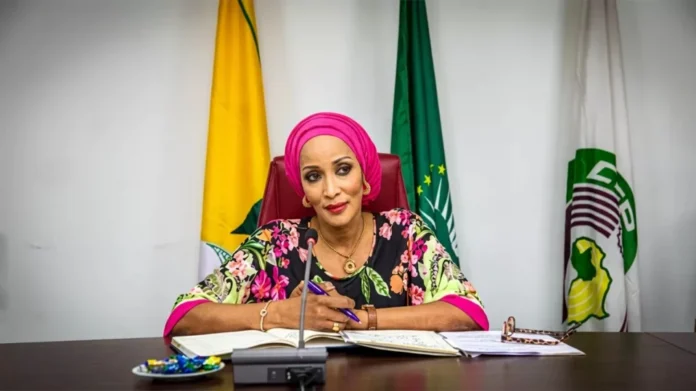
The commitment was made during a meeting in Abuja between Nigeria’s Minister of Foreign Affairs, Bianca Odumegwu-Ojukwu, and Germany’s Foreign Minister, Johann Wadephul.
The talks centred on strengthening economic ties and exploring new opportunities for businesses in both countries.
According to the German government, Nigeria remains its second-largest trading partner in Sub-Saharan Africa.
More than 100 German companies currently operate in Nigeria across sectors including manufacturing, engineering, energy, and services.
Trade Growth Drives Fresh Investment Plans
The 10 per cent increase in trade reflects growing commercial activity between both countries at a time when Nigeria is pushing to attract more foreign direct investment through economic reforms.
Speaking after the meeting, Wadephul said Germany sees Nigeria as an important partner in Africa and wants to deepen economic cooperation through increased private sector investment, renewable energy projects, and industrial development.
Odumegwu-Ojukwu described Germany as one of Nigeria’s long-standing partners and welcomed the renewed investment interest.
She said Nigeria is committed to creating a better environment for investors while expanding cooperation in areas that can create jobs and support economic growth.
Beyond trade and investment, security featured prominently during the discussions.
Germany pledged continued support for Nigeria’s efforts to combat terrorism and violent extremism, noting that instability in the Sahel continues to pose risks across West Africa.
Germany also announced 10 million euros in support for programmes aimed at helping displaced persons return to their communities and rebuild their lives.
The two countries also discussed migration, vocational education, and skills training, with both sides agreeing that stronger partnerships in education and workforce development would benefit young people and businesses alike.
For Nigeria, Germany’s latest commitment comes as the Federal Government continues to court foreign investors in sectors outside oil.
For Germany, the figures suggest that trade is already moving in the right direction.
The latest investment pledge now raises expectations that stronger commercial ties will translate into new projects, more jobs, and greater opportunities for businesses in both countries.

