
July 08, (THEWILL) – High costs of transportation and poverty have been identified as factors that make treatment of tuberculosis unaffordable to patients in rural areas, particularly in Cross River State.
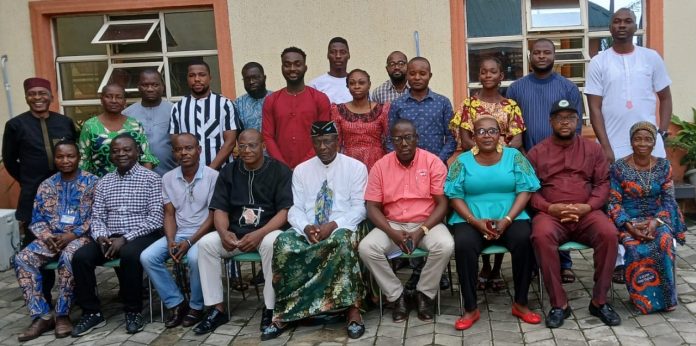
The Civil Society for the Eradication of Tuberculosis in Nigeria (TB NETWORK) and Coordinating Network for the C19RM GF NACA GC7 Project in the state made this known in a media brief presented in Calabar.
Mr. Solomon Agbor, the State Coordinator of the Tuberculosis Network and Lead Coordinator of the project, said though treatment is free, it remains unaffordable and called for systematic efforts to address this.

“Even when treatment is theoretically free (as in the case of Tuberculosis) hidden costs like transportation expenses can make it unaffordable for patients, particularly those in rural areas.
“Socio-economic factors significantly impact the prevalence of malaria, HIV and TB infections and these diseases are closely tied with poverty.
“Addressing these challenges requires systemic efforts to improve access, affordability and awareness,” he said.
He added that the project aims to strengthen communities’ healthcare systems and ensure they take ownership of it.
Also speaking, the State Coordinator of the Civil Society for Malaria Control, Immunisation and Nutrition (ACOMIN), Pastor Effiong Udobong, said the co-infection of malaria, HIV and TB can exacerbate the severity of each disease and increase transmission risk.
He emphasised that it’s an ethical imperative to address the risk posed by these diseases and solutions must tackle poverty, inequality and access to healthcare.
Similarly, Sunday Eminue, State Coordinator of the Network of People Living with HIV and AIDS in Nigeria (NEPWHAN), said healthcare facilities in selected communities across the state are being strengthened to better cater for the diseases.
The report also stressed that strengthening infrastructure, securing financial resources, renewing political leadership and fostering collaborations are essential
It urged that evidence-based interventions like community-led monitoring be scaled up, adding that innovative service delivery models and technological adaptations are critical to minimise disruptions to routine care.
The ATM Networks are collaborating with the National Agency for the Control of AIDS (NACA) on the COVID-19 Response Mechanism/Resilient and Sustainable System for Health (C19RM) Grant.
They deploy the Community-led Monitoring Approach to engage community stakeholders to take ownership of health interventions, particularly HIV/AIDS, malaria and tuberculosis.
This is done by identifying gaps hindering effective service delivery, jointly prioritising identified needs and advocating for improvement in healthcare services delivery.

THEWILL Correspondent, Aniekan Bassey has over six years experience that spans across several fields in print journalism including development communication, sexual reproductive and health rights issues, crime, climate change, social justice, business and human interest stories.
