

-
Over 56% of West African creators make under $100/month despite pulling in millions of views.
-
Creators in West Africa see RPMs hover below $0.83–$1.00, compared to $6.20+ for identical view counts in Tier-1 markets like the US.
-
Top-tier talent pulls in $5,000+ per video, but they make up less than 3.3%of the region’s total creator base.
-
With platform payouts broken, creators are bypassing standard RPMs to rely on brand deals, digital products, and community subscriptions.
July 21, (THEWILL) — Across West Africa, creators are proving that local culture can compete on the world’s biggest digital platforms.
Nigerian Pidgin, Yoruba, Hausa, Wolof, and Francophone African expressions are becoming part of the language of global online entertainment.
But many of the creators behind this cultural export are discovering that popularity does not always come with equal financial opportunity.

The platforms have built enormous businesses around keeping people watching. African creators are among the people helping make that possible. But the systems that convert views into income still often place them at a disadvantage.
African creators are winning the algorithm while fighting for the economy built around it.
The Internet Learned to Speak African
For years, the global internet was dominated by a narrow idea of what digital content should look like.
English-language content from North America and Europe often defined what brands considered scalable and valuable.
African creators have challenged that model.
They have shown that people do not only want polished global content. They want content that sounds like their lives.
A skit in Nigerian Pidgin can travel because millions of people understand the humour behind phrases like “wahala”, “sabi”, or “you dey craze”.
A Yoruba creator can build a community around cultural references that would lose meaning outside the language. A Hausa creator can explain social issues to audiences who trust the voice delivering the message.
These creators are not simply translating existing internet culture.
They are creating new internet culture.
Words and expressions that once belonged mainly to local conversations now appear in global comment sections, memes, and online communities.
Nigerian slang in particular has become increasingly familiar to audiences outside the country through entertainment, music, and social media.
The result is a digital environment where African creators are influencing how millions of people communicate online.
But influence has not always translated into income.
The View Count Problem
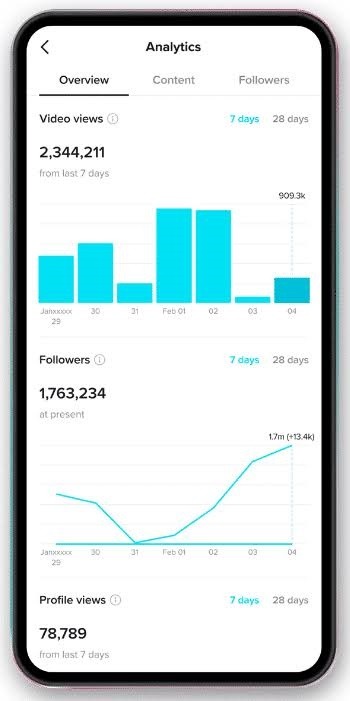
A million views looks the same on every screen. The money behind those views does not.
Digital advertising markets value audiences differently. Advertisers generally pay more to reach consumers in countries with larger marketing budgets and higher purchasing power.
That means the same amount of engagement can produce very different earnings depending on where viewers are located.
A creator with an audience concentrated in the United States or United Kingdom may earn significantly more from advertising than a creator with similar numbers in Nigeria, Ghana, Senegal, or Côte d’Ivoire.
The difference is not necessarily about effort or audience loyalty.
African audiences are highly engaged. Local-language creators often build strong relationships with viewers because their content reflects everyday experiences.
The challenge is that advertising systems measure attention through a market lens.
A viewer in Lagos and a viewer in London may both watch a video from beginning to end. They may both share it and comment on it.
But the advertising value attached to those views can be very different.
For creators, that gap creates a frustrating reality.
A viral moment can bring recognition without bringing financial security.
The Missing Monetisation Layer

Advertising rates are only part of the problem.
Many creators across Africa have also faced limited access to platform monetisation features.
Creator funds, subscription options, tipping systems, and other revenue tools have not always been available across all African markets at the same pace as they have in North America and Europe.
The result is that some creators compete in the same attention economy without having access to the same financial infrastructure.
Payment systems create another layer of difficulty. Currency conversion, international transfers, and banking limitations can reduce earnings or complicate the process of receiving money.
For creators trying to build careers online, unpredictability becomes a major obstacle.
A creator may have hundreds of thousands of followers but still rely on brand partnerships, side businesses, or direct sales to make content creation sustainable.
The platform provides the audience, but the creator has to build the business.
The Nigerian Playbook Is Moving Beyond Platform Money
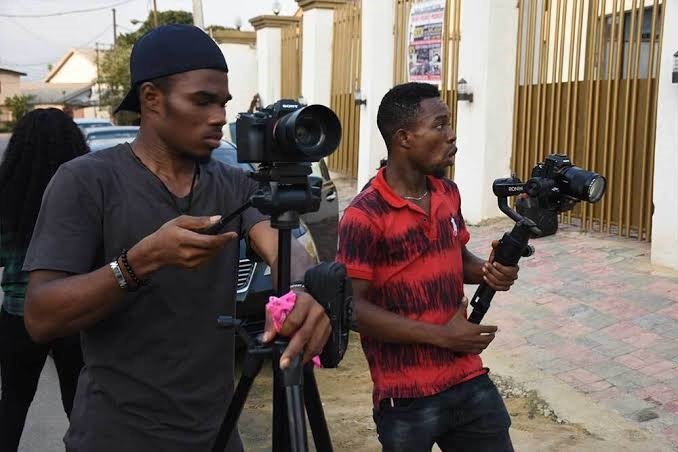
Many African creators have already adapted.
Instead of waiting for platforms to become their main source of income, they are using platforms as distribution channels.
A TikTok video becomes a way to attract customers. An Instagram page becomes a storefront. A large following becomes leverage when negotiating with brands.
WhatsApp has become one of the most important tools in this shift. Creators use it to build communities, sell products, promote events, and maintain direct relationships with followers.
The model reflects something familiar in African commerce.
For years, businesses have depended on personal relationships, trust, and community networks. Social media has simply moved those relationships online.
Creators who understand this are building businesses around their audiences rather than depending entirely on platform payouts.
A fashion creator can sell directly to followers. A comedian can promote events. A lifestyle creator can work with local brands that want access to a specific audience.
The platform may own the feed.
The creator is trying to own the relationship.
Brands Are Starting to Notice

Local companies have increasingly turned to creators because they offer something traditional advertising often struggles to provide: trust.
A creator speaking naturally to an audience in their own language can feel more authentic than a generic campaign designed for multiple countries at once.
For brands trying to reach young African consumers, creators have become important cultural translators.
The challenge is that many of these opportunities still depend on individual negotiations rather than reliable platform systems.
Creators often have to build their own businesses because the digital infrastructure around them has not fully caught up with their influence.
African creators have already proved they can attract attention.
They have proved that local stories can travel.
They have proved that African languages and cultures belong at the centre of internet culture, not at its edges.
The remaining issue is economic.
The companies behind the world’s biggest platforms have built some of their success on audiences that include millions of African users.
The creators shaping those audiences now want the financial systems to recognise their contribution.
The question is no longer whether African content can compete globally.
It already has.
The question is whether African creators will continue building value for platforms without receiving a fairer share of the value they help create.

