
January 18, (THEWILL) — When Chimamanda Ngozi Adichie and her husband, Dr. Ivara Esege’s 21-month-old son died at a private Lagos hospital on January 7, the tragedy shattered a deeply held assumption among Nigeria’s elite: That money could buy safety within a failing healthcare system. The death of Nkanu Nnamdi, allegedly following an overdose of the sedative propofol during preparation for an MRI scan, has forced the country to confront an uncomfortable truth. If a globally renowned author with the means to seek treatment at Johns Hopkins Hospital in Baltimore could not protect her child from what the family describes as criminal negligence, then what worse fate awaits those not as privileged.
The allegations are chilling and very depressing. According to the family’s legal notice to Euracare Multi-Specialist Hospital, the toddler was denied oxygen, left unattended and moved without following standard procedures. The hospital disputes these claims, insisting the child arrived in critical condition and received care that met international standards. Investigations by Lagos State’s Health Facility Monitoring and Accreditation Agency are now under way, whilst federal Health Minister Muhammad Ali Pate has established a national task force on clinical governance and patient safety. Yet whatever the outcome of these inquiries, the broader significance of this loss extends far beyond one family or one facility.
The public response has centred not on shock but on recognition. Euracare is quite good and managed by a highly skilled interventional cardiologist, Dr. Tosin Majekodunmi. I am shocked and saddened over this tragic incident and commiserate with the Esege and Adichie family.

Many Nigerians have shared their own stories of misdiagnosis, inadequate resuscitation and preventable deaths on social media, revealing a pattern that cuts across economic divides. My family has also been a victim of tragic misdiagnosis in a Port Harcourt, Rivers State hospital. We are all casualties.
The tragedy exposes how private hospitals, despite their polished receptions and premium fees, operate within the same regulatory vacuum as their public counterparts. Standards vary wildly, and whilst some facilities deliver exemplary care, others rely on branding rather than rigorous systems. High fees, it turns out, guarantee neither competent staff nor basic emergency equipment.
This normalisation of avoidable loss reflects decades of systemic neglect. In 2025, Nigeria allocated just 5.18 per cent of its federal budget to health, amounting to N2.48 trillion. Whilst this marks an increase from 4.6 per cent the previous year, it falls well short of the 15 per cent target established by African leaders under the Abuja Declaration. The consequences are stark. Around 80 per cent of health facilities are considered dysfunctional, plagued by outdated equipment, drug shortages and unreliable power supplies. Corruption compounds these problems, with funds diverted and counterfeit medicines flooding the market.
The human cost is measurable. Life expectancy in Nigeria stands at 54.8 years, compared with 81.2 years in better climes. Infant mortality reaches 69 per 1,000 live births and maternal deaths remain stubbornly high despite modest improvements in some areas. These figures reflect a system where roughly 55,000 doctors serve 220 million people, creating a ratio of one physician to approximately 4,000 citizens. Between 2020 and 2024, an estimated 15,000 to 16,000 doctors left Nigeria for better conditions abroad, gutting the country of expertise precisely when it is most needed.
Those who remain face impossible pressures. Long hours, limited backup and scarce specialist care, particularly in paediatric anaesthesia and critical care, mean that when emergencies arise, the absence of the right expertise can turn manageable situations fatal. Rural areas suffer even greater shortages, whilst strikes driven by poor pay regularly disrupt services across the board. Only 12 per cent of Nigerians have health insurance coverage, leaving the majority to shoulder costs directly. A recent survey found that 52 per cent lack confidence in their ability to access or afford quality care, a crisis of trust with profound economic and social implications.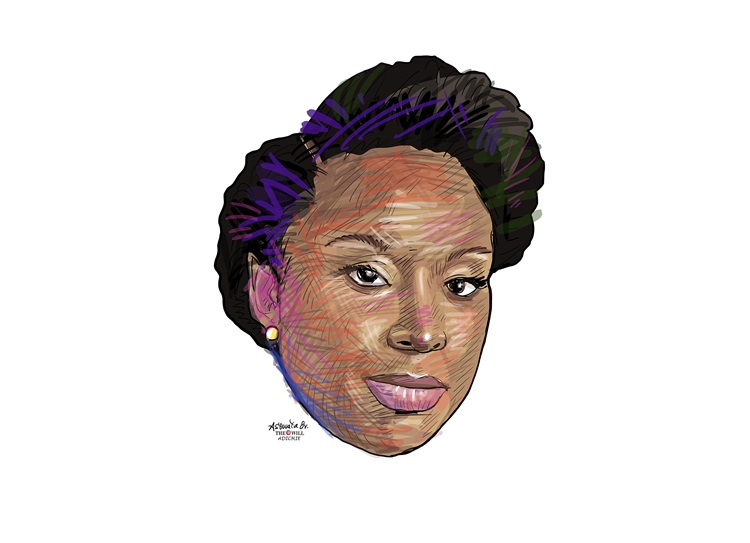
What distinguishes this tragedy from countless others is its capacity to puncture the illusion of immunity that wealth supposedly confers. For years, Nigeria’s elite have believed that private clinics resembling luxury hotels offered a buffer against the system’s failures. The death of Nkanu Nnamdi proves otherwise. When basic protocols around sedation and monitoring are ignored, when emergency equipment is unavailable, when staff lack adequate training, no amount of money can guarantee survival. The realisation has reopened long-standing debates about accountability in a system where medical professionals rarely face consequences commensurate with the harm caused by negligence.
Legal processes remain slow and prohibitively expensive for most families, who lack the energy or resources to pursue justice whilst grieving. Disciplinary actions are rare, and a culture of professional silence often shields doctors from scrutiny. Without credible sanctions, there is little incentive for hospitals to invest in safer systems or for practitioners to follow established protocols. This absence of accountability allows poor practice to persist and deepens public mistrust with each new headline.
One way towards reform involves mandatory professional indemnity insurance tied to individual performance. Under this model, doctors would carry premiums matched to their grade, specialty and risk profile. Crucially, these premiums would rise following cases of misdiagnosis, substandard treatment or avoidable harm, including deaths. Such systems already operate in countries with stronger patient safety records. In the UK, for instance, insurance costs adjust according to specialty, claims history and risk level, creating direct financial consequences for negligence that sit alongside criminal and civil remedies.
Indeed, few incentives sharpen attention as effectively as the prospect of personal financial loss. When avoidable mistakes carry a tangible cost, practitioners become more cautious, documentation improves and adherence to protocols strengthens. Currently, the financial burden of error falls almost entirely on patients and families, whilst medical professionals face limited personal risk beyond reputational damage. Shifting some of that burden back onto providers could drive meaningful behavioural change. Critics counter that higher insurance costs might accelerate the brain drain or increase treatment fees, yet the current cost of failure, measured in lives lost and trust destroyed, far exceeds any potential premium hikes.
Still, insurance reform alone cannot address the scale of dysfunction. A wholesale and urgent reform should be implemented. Nigeria needs independent oversight bodies with real enforcement power, capable of investigating complaints, verifying outcomes and closing unsafe facilities. It needs significant investment in training, infrastructure and emergency protocols. It needs anti-corruption measures to ensure allocated funds actually reach hospitals. And it needs strategies to retain skilled professionals by offering competitive salaries and adequate working conditions. None of these interventions works in isolation; together, they might begin to restore the trust that forms the foundation of any functioning healthcare system.
The question now is whether this moment will catalyse genuine reform or fade into the familiar pattern of outrage followed by inaction. High-profile tragedies break through public fatigue precisely because they reveal how fragile safety remains, even for those with access and influence. The real test lies in whether policymakers treat this as a watershed or merely another crisis to be managed. Routine illness should not carry fatal risk. Survival should not depend on luck, on which doctor happens to be on duty or whether the electricity stays on. A healthcare system worthy of the name must offer certainty grounded in rigorous standards, robust accountability and a genuine commitment to the value of human life. Anything less dishonours the memory of Nkanu Nnamdi and the countless others lost to a system that has normalised preventable death.