July 06, (THEWILL) — Peter Rufai once stood in goal with the air of a man born to defend his country. He was calm in chaos, poised under pressure, and committed to his role in Nigeria’s rise in world football. Born on 24 August 1963 in Lagos, he rose from local clubs to become the backbone of the Super Eagles between 1991 and 1998. He earned 65 caps, led Nigeria to its first Africa Cup of Nations title in 1994 and represented the nation at the World Cup in 1994 and 1998. He played for top clubs in Belgium, the Netherlands, Portugal and Spain, appearing for Deportivo La Coruña and Hércules, while also turning down a royal title in 1999 to remain true to the sport he loved.
He earned the affectionate title ‘Dodo Mayana’, highlighting both affection and admiration. He became the first Nigerian goalkeeper to score internationally, converting a penalty against Ethiopia in 1993. After his playing career ended in 2000, he founded the Staruf Football Academy in Nigeria and Spain to support young talent, a feel of a quiet desire to give back to society. His humility earned praise from across the nation when he passed away on July 3 in Lagos at age 61 after a brief illness. Tributes flowed from across the spectrum: the Nigeria Football Federation described him as “a giant of Nigerian football” and fans of the goalkeeper have wished the iconic player tranquil eternity.
All this praise was in life’s final moments. The pain came from what came before death. The NFF said it did not know that he had been ill until he died. Fellow footballers have asked why his struggle had gone unnoticed, questioning how a servant of the nation could fall through the cracks. Their frustration made one fact clear: a hero whose voice once commanded arenas could suffer in silence, with no system offering help.

This is not unique to Rufai. Rashidi Yekini, the man who scored Nigeria’s first-ever World Cup goal in 1994 and remains the country’s top scorer, died in Ibadan on May 4, 2012 at 48 years. His body of work included becoming African Footballer of the Year in 1993 and setting goal records in Africa and Europe. The later years of his life were marred by mental illness, struggles with finances and the failure of state structures to provide care. His family and local community bore the cost of illness and uncertainty. It bears asking again why a man who gave so much to the nation had become disposable in his final days.
Christian Chukwu, who captained Nigeria to its first Africa Cup of Nations title in 1980, also suffered medical setbacks in old age that required serious financial support for treatment abroad. A public fundraising effort and a contribution from philanthropist Femi Otedola raised enough to aid his care. While he later received help, it came after years of uncertainty and public outcry. He died on 12 April 2025 at 74 years of age under-appreciated by his own nation.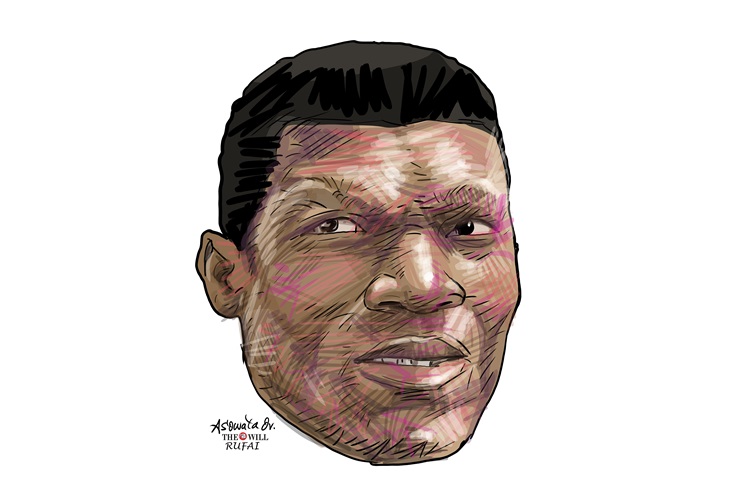
John Obi Mikel, a World Cup and Champions League winner, further illustrates the pattern. In 2016 he privately footed the hotel bill for the national Olympic squad, a gesture that relied on personal means rather than institutional structures. He was never reimbursed. Such gestures, noble as they were, highlight the persistent absence of formal systems to support heroes once the spotlight dims.
If swords of neglect cut deep, then swords of entitlement cut deeper. Politicians who serve brief terms receive pensions, cars, housing and life-long medical coverage. These individuals use the instrumentality of policy to award themselves fat retirement benefits, leaving true heroes to suffer and die. Retired governors, deputy governors, chief executive officers and executive directors, senators and ministers as well as others enjoy benefits not available to the men and women who brought the nation global esteem. That imbalance should provoke outrage. Nigeria has chosen to honour thieving bureaucrats over national service with trophies, medals and opportunity for the future.
The gulf between the two paths is striking. The sportsman gives years in jerseys, trophies and acclaim, then finds himself outside the system when injury, illness or age steals his livelihood. The politician merely holds office, sometimes for just four years and steals, then enjoys predictable comfort funded by the state.
That must change. Public office retirement should be reformed. The nation should cap undeserved pensions. It should dismantle the current system that pays generous benefits despite scandal, exile or incompetence. The state cannot honour those who hold power and ignore those who actually hold the flag.
On the other hand, Peter Rufai’s death deserves more than social media sentiment. Rashidi Yekini deserved more than empty prayers. Christian Chukwu deserved care, not charity. Mikel Obi deserved reimbursement. This is not a request for pity. It is a matter of justice.
If governing a state requires billions, surely investing in heroes requires millions. If foreign officials receive welfare and evoke headlines, Nigerian athletes deserve far more. Our values are reflected in how we care for those who defend our identity.
It remains to be seen whether Rufai’s passing will lead to lasting change or be absorbed into the cycle of grief and forgetfulness. The lives of our heroes are not expendable. They reflect our collective conscience and hope. It is time to walk the talk, not just hang wreaths. It is time to honour not just in memory, but in sustenance. It is time to treat our icons as lasting treasures, not temporary lights. The price of failure is not sorrow, but a nation that forgets its best.