December 01, (THEWILL) – The recent arrest of Simon Ekpa, a pro-Biafra agitator based in Finland, presents a momentous opportunity for Nigeria to address long-standing grievances and foster genuine reconciliation, particularly in the South-East.
The arrest is not simply a law enforcement victory, but a call to reflect on Nigeria’s fractured unity, its historical wounds and the need for tangible solutions that can bridge divides.
The South-East geopolitical zone has endured decades of systemic neglect, marginalisation and underinvestment. Despite being home to some of the country’s most industrious and enterprising people, the region remains beset by stark economic disparities and political exclusion.

This marginalisation, particularly felt by the Igbo people, is rooted in the deep scars left by the Nigerian Civil War (1967-1970). The aftermath of the war was intended to bring healing, but in reality, it has perpetuated a sense of injustice and exclusion, with many Igbos feeling they are still being punished.
For decades, the South-East has lacked the necessary infrastructure to unlock its potential. While the Igbo people are recognised for their entrepreneurial spirit, their region has continued to suffer from insufficient federal investment in critical infrastructure. A glaring example is the lack of seaports in states like Anambra and Abia, which has stifled economic activity. The absence of modern roads, industrial zones and efficient transportation systems has crippled the region’s ability to become a key economic hub. Meanwhile, other regions have benefitted from much larger federal investments, further compounding the sense of marginalisation felt in the South-East.
In politics, no person from the southeast has been elected President since the country’s return to civilian rule in 1999, even when the concept of power rotation amongst the three major ethnic groups (Igbo, Hausa/Fulani and Yoruba) is a popular concept amongst the elites. This remains a symbol of the broader exclusion of the region from national leadership. This exclusion not only fosters feelings of second-class citizenship but also creates a disconnection between the Southeast and the decision-making centres of power. The lack of political representation at the highest levels of government continues to exacerbate the sense of alienation in the region, with many feeling that their voices are ignored in national conversations.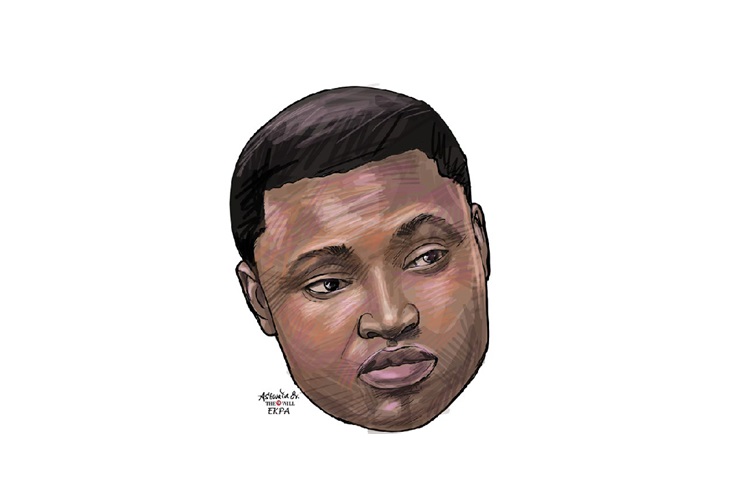
At the heart of this marginalisation lies the unresolved trauma of the Biafra War. Despite the government’s declaration of “no victor, no vanquished” after the war, the post-war policies have only deepened the divisions. The region’s lack of infrastructural development, paired with the ongoing political exclusion, has bred frustration and disillusionment, leading to the rise of violent secessionists like Nnamdi Kanu and Simon Ekpa, who are both now under federal custody in Nigeria and Finland, respectively.
Kanu and Ekpa, key figures in the current pro-Biafra movement, Indigenous Peoples of Biafra, became notorious for using social media to incite violence and disrupt economic activities across the Southeast. Ekpa’s Monday sit-at-home orders, which aimed to push for a sovereign Biafra, resulted in significant losses for the economy, with some estimates putting the cost at over ₦22 trillion. These actions paralysed entire communities, shutting down businesses, schools and essential services, and creating an atmosphere of fear and uncertainty.
Yet, Kanu and Ekpa are merely a symptom of a much larger issue. Their actions reflect the widespread dissatisfaction with the Nigerian state that extends far beyond the Southeast. Similar separatist movements have gained traction in other parts of the country, most notably in the Southwest, where Sunday Igboho’s push for an Oduduwa Republic mirrors the Igbo demand for self-determination. Both movements are driven by feelings of marginalisation and a desire for more significant control over their regions’ resources and governance.
However, the arrest of Ekpa should not be viewed merely as a law enforcement success, but as an opportunity for national introspection. The growing calls for secession and self-determination across Nigeria reflect a deeper dissatisfaction with the political system. These movements are not only about territorial independence but also a cry for justice, equity, and genuine inclusion in the country’s political and economic life.
To heal the wounds in the Southeast and, by extension, the entire country, it is essential to address the root causes of the discontent. In my opinion, a comprehensive approach is necessary—one that goes beyond simply silencing dissent or pursuing military action. Instead, Nigeria needs to implement substantial reforms that address the economic and political exclusion felt by marginalised regions. This means addressing the systemic inequalities that have perpetuated the Southeast’s economic stagnation and political sidelining.
One of the first steps in this process should be investing in the region’s infrastructure and creating one or two more states to bring the number of states in the area at par with the other regions.
The region has the lowest number of states (five), while others have six with the northwest enjoying seven states. In addition to these, political inclusion is equally important. The Nigerian government must ensure that all regions have a fair representation in national politics. Southeast leaders must be given the opportunity to ascend to key positions of power, including the presidency. The failure to do so only deepens the perception of exclusion and undermines efforts to build national unity. A visible commitment to equitable representation would help to rebuild trust and foster a sense of belonging among the Igbo and other marginalised ethnic groups.
Moreover, the Nigerian Government must engage in dialogue with leaders from the Southeast who have expressed a willingness to pursue peaceful resolutions. The release from detention of Nnamdi Kanu could serve as a symbolic gesture of goodwill as he has demonstrated a shift towards peaceful engagement. Dialoguing with leaders who are committed to non-violent methods of advocacy could open a path for addressing long-standing grievances and building a more inclusive political framework.
The government’s approach to resolving tensions must also recognise the importance of community and traditional leadership in fostering peace. Local leaders, religious figures, and civil society organisations have an essential role to play in facilitating dialogue and rebuilding trust. These leaders must take active roles in deescalating tensions and promoting peaceful coexistence, both within the Southeast and across Nigeria.
Equally important is the need for national solidarity. While the focus is on healing the Southeast, it is vital to recognise that other regions, such as the Niger Delta and the Middle Belt also have their own grievances that must be addressed. A comprehensive national framework is necessary to ensure that the voices of all marginalised groups are heard and respected. Unity in diversity is a core tenet of Nigeria’s founding ideals and a commitment to addressing regional grievances is essential to moving the country forward.
The healing of the South-East is not just a regional concern; it is a national imperative. By addressing the long-standing issues of marginalisation and fostering genuine dialogue, Nigeria can pave the way for a more inclusive and prosperous future. The time for healing is now, and the choices made today will determine the unity and stability of Nigeria for generations to come.