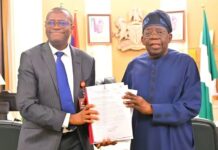
December 31, (THEWILL) — President Bola Tinubu will proceed with the implementation of a comprehensive tax overhaul from January 1,2036, reaffirming his administration’s commitment to fiscal reform despite concerns over the short-term impact on businesses and households.
The overhaul forms part of the government’s broader economic stabilisation programme to improve revenue mobilisation, reduce dependence on borrowing, and create a more transparent and efficient tax system. Officials say the reform is necessary to address persistent revenue leakages and strengthen fiscal sustainability.
Under the new policy direction, tax authorities are expected to focus more on compliance and efficiency, rather than introducing abrupt new taxes. The emphasis is on widening the tax base, improving documentation, and ensuring that taxable activities are properly captured across the economy.
As the reforms take effect, citizens and businesses are expected to adjust to more traceable and formalised payment processes. Financial transactions related to business operations, services, and commercial activities are increasingly expected to move through banking and digital channels, reducing reliance on cash and making transactions easier to verify for tax purposes.

Individuals and companies are also expected to pay closer attention to record-keeping and identification, as tax authorities rely more heavily on data integration across government agencies. The use of Tax Identification Numbers (TINs), bank records, and transaction histories is expected to become more central to assessing compliance.
For businesses, particularly small and medium-sized enterprises, the overhaul signals clearer reporting requirements and stricter remittance timelines. While this may require operational adjustments, the government maintains that efforts are being made to reduce multiple taxation and harmonise levies across different levels of government.
The presidency has insisted that delaying the reforms would worsen fiscal pressures and undermine confidence in the reform agenda. Analysts note that the success of the overhaul will depend on effective implementation, fairness, and the government’s ability to demonstrate visible improvements in public services as revenues increase.

Ogochukwu Onwaeze