
-
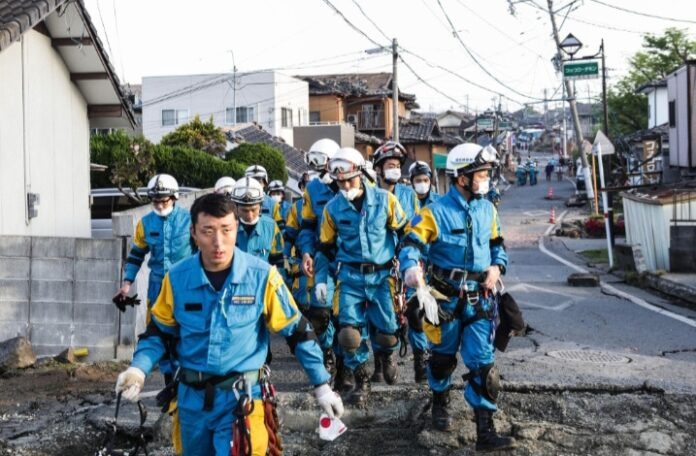
A powerful 7.1-magnitude earthquake struck Japan’s Kumamoto Prefecture, prompting tsunami advisories and emergency evacuations across parts of Kyushu.
-
More than 150,000 residents were urged to move to higher ground as the quake disrupted electricity, rail transport, aviation and communications.
-
Authorities confirmed injuries, structural damage and isolated fires, but ruled out any abnormalities at nearby nuclear power facilities following emergency inspections.
-
The latest disaster has revived memories of the devastating 2016 Kumamoto earthquakes, underscoring Japan’s vulnerability despite its world-leading disaster preparedness systems.
July 28, (THEWILL) — A powerful earthquake measuring 7.1 on the Richter scale struck southwestern Japan on Tuesday, triggering tsunami advisories, mass evacuations, transport disruptions and widespread emergency response operations across the country’s Kyushu region.
The quake, which struck Kumamoto Prefecture in the late afternoon, sent strong tremors across much of southern Japan and prompted the Japan Meteorological Agency (JMA) to issue tsunami advisories for coastal communities bordering the Ariake and Yatsushiro seas.
Residents in vulnerable coastal areas were immediately urged to evacuate to higher ground amid fears of dangerous sea surges. The tsunami advisories were later lifted after authorities determined that the threat had subsided.

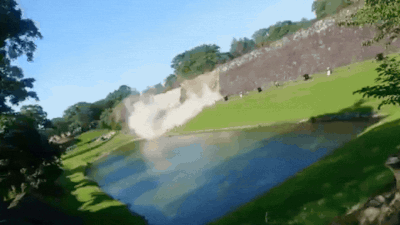
Emergency officials said more than 150,000 residents across several municipalities received evacuation instructions as a precaution while disaster response teams were deployed to assess damage and assist affected communities.
The powerful tremor disrupted daily life across Kyushu, knocking electricity out to about 40,000 households, suspending sections of the Shinkansen bullet train network and forcing the temporary closure of Kumamoto Airport while runway and terminal inspections were carried out.
Several highways were also temporarily closed as engineers assessed bridges and road infrastructure for possible structural damage.
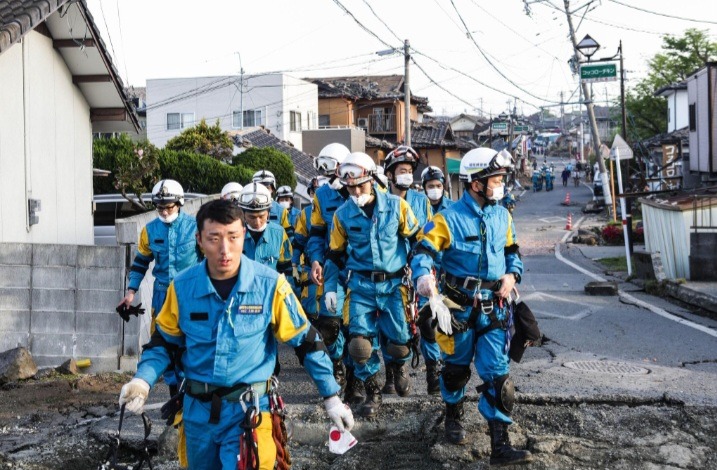
Public broadcaster NHK showed images of residents rushing out of buildings, emergency sirens blaring across towns and rescue officials conducting safety inspections in affected communities.
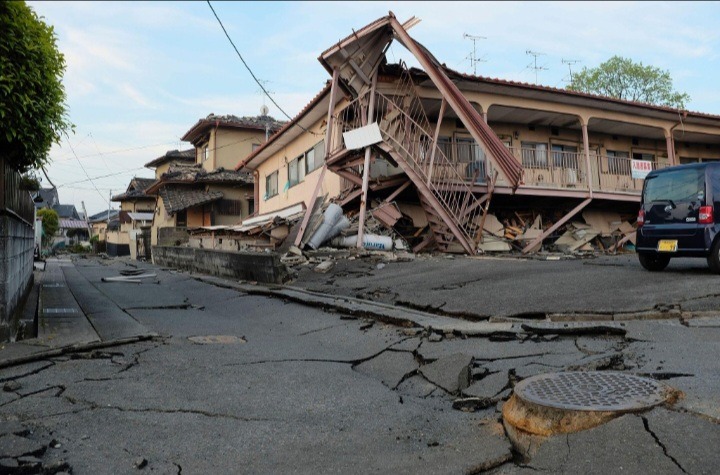
Authorities confirmed that several people sustained injuries from falling debris and building collapses, while isolated fires were also reported. Emergency responders continued search and rescue operations into the evening as aftershocks rattled parts of the region.
The Nuclear Regulation Authority said comprehensive inspections at nearby nuclear facilities found no abnormalities, easing concerns about any repeat of the nuclear crisis triggered by the 2011 Great East Japan Earthquake.
Prime Minister Sanae Takaichi said the government had activated its national emergency response framework and instructed relevant ministries and local authorities to prioritise rescue operations, provide relief to affected residents and closely monitor aftershocks.
“The protection of lives remains our highest priority”, the Prime Minister said while urging residents to follow evacuation instructions and official safety advisories.
Meanwhile, major manufacturers with operations in Kyushu, including semiconductor giant TSMC and electronics company Sony, temporarily halted production and evacuated workers while engineers carried out structural safety inspections at their facilities.
Although Japan’s Meteorological Agency initially assessed the earthquake at magnitude 7.1, the United States Geological Survey (USGS) later revised the event to magnitude 6.8. Seismologists noted that such differences are not unusual because agencies use different analytical methods and measurement systems to estimate earthquake magnitudes.
A Nation Living With Earthquakes
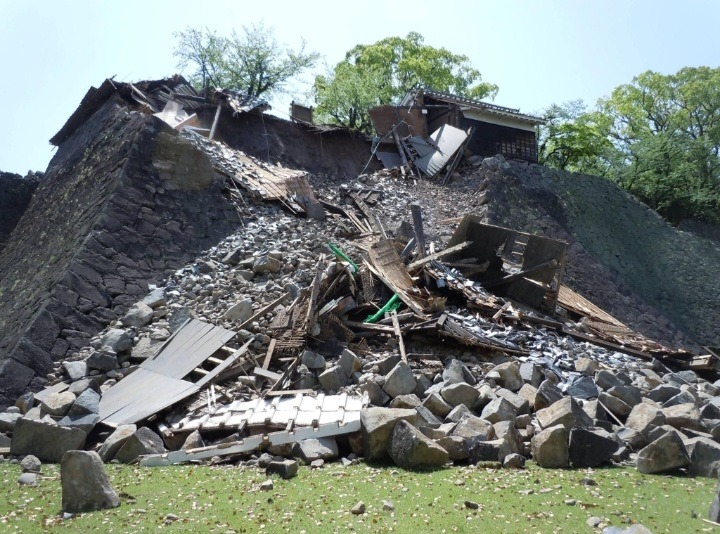
The latest quake once again highlights Japan’s unique geological vulnerability. Situated along the Pacific Ring of Fire, where four major tectonic plates converge, Japan experiences thousands of earthquakes every year, making it one of the world’s most seismically active countries.
Successive governments have invested heavily in sophisticated earthquake monitoring systems, strict building regulations and nationwide disaster preparedness programmes, measures widely credited with significantly reducing casualties during major seismic events.
Nevertheless, experts warned that powerful aftershocks could continue for several days, raising the risk of landslides and further structural damage in already weakened areas.
The earthquake also rekindled memories of the 2016 Kumamoto earthquake sequence, which claimed 275 lives, injured thousands of people and caused extensive destruction across Kyushu. It also brought back painful recollections of the 2011 Great East Japan Earthquake and tsunami, a magnitude 9.0 disaster that killed nearly 20,000 people and triggered the Fukushima Daiichi nuclear accident.
As rescue and recovery operations continue, authorities have urged residents to remain vigilant, avoid damaged buildings and rely only on official information for updates on aftershocks, evacuation orders and relief efforts.

Felix Ifijeh is a journalist with years of professional reporting experience. Known for his keen news sense, compelling storytelling and commitment to accurate, impactful reporting, he has built a reputation for turning leads into clear, engaging, and well-structured reports that resonate with readers. His work reflects deep newsroom experience and a commitment to accurate, impactful journalism.
