August 03, (THEWILL) — Kemi Badenoch’s rise to Conservative Party leadership should have been a moment of celebration. As the first Black woman to lead a major British political party, her historic achievement deserved recognition. Instead, her persistent attacks on Nigeria, the country where she spent her formative years, have overshadowed this milestone and created unnecessary diplomatic tensions that threaten both her party’s electoral prospects and Britain’s international relationships.
The Conservative leader, born Olukemi Olufunto Adegoke in Wimbledon to Nigerian parents, lived in Lagos until age 16 before returning to Britain for her education. Her father worked as a doctor, her mother as a physiology lecturer at the University of Lagos. Economic instability and political uncertainty in 1990s Nigeria drove the family’s decision to send her back to the UK, where she studied computer systems engineering at Sussex University and law at Birkbeck before joining the Conservatives in 2005. Her subsequent rise through party ranks culminated in November 2024 when she defeated Robert Jenrick in the leadership contest, marking a significant breakthrough in British political representation.
Since becoming party leader, however, Badenoch has repeatedly criticised Nigeria in ways that go beyond legitimate policy critique. She has described growing up in “fear and insecurity” due to corruption and poor infrastructure, recounting incidents like Nigerian police stealing from her brother to illustrate systemic problems. While such experiences deserve acknowledgment, her broader characterisations have crossed into territory that many find troubling.

More problematically, she told media outlets that she identifies as “ethnic Yoruba rather than Nigerian” and described northern Nigerians as “ethnic enemies” in reference to Boko Haram’s activities in the region. These comments represent a dangerous oversimplification of Nigeria’s complex ethnic and religious landscape, reducing an entire region to its most extreme elements. The statement particularly stings given that many northern Nigerians have suffered tremendously from Boko Haram’s terrorism and continue fighting against extremist ideologies.
These remarks provoked a sharp response from Nigeria’s Vice President Kashim Shettima, who suggested Badenoch could “remove the Kemi from her name” if she felt no pride in Nigeria. He contrasted her approach with former Prime Minister Rishi Sunak, who never disparaged India despite facing similar political pressures from nationalist elements within the Conservative Party. Shettima’s comments reflect broader Nigerian sentiment that Badenoch has betrayed her heritage for political convenience.
The political calculations behind Badenoch’s rhetoric seem clear enough. By distancing herself from Nigeria while emphasising British values, she appeals to nationalist elements within her party who view immigration and multiculturalism with suspicion. Her leadership campaign explicitly positioned her as a critic of “left-wing nonsense,” and her Nigeria comments fit this narrative of unwavering patriotism. Following the Conservatives’ devastating 2024 election defeat, the party’s remaining membership skews older, whiter and more socially conservative than the broader electorate, making such positioning strategically understandable if ultimately shortsighted.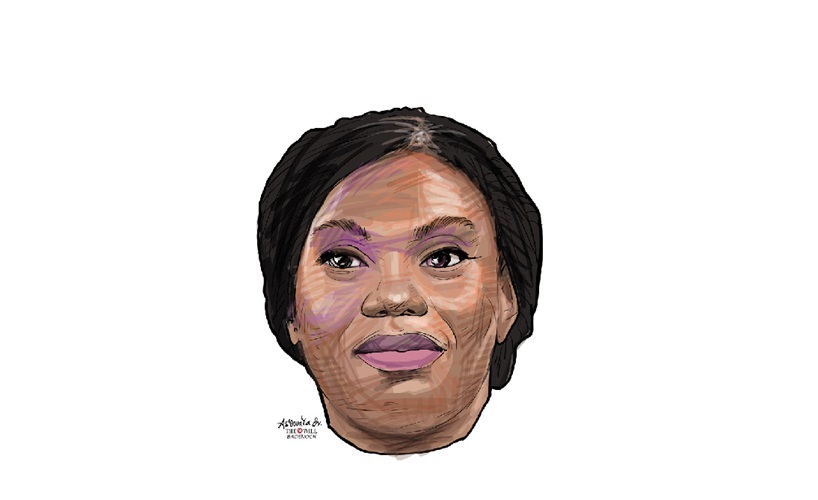
Yet this strategy carries serious costs that extend far beyond party politics. Nigeria remains Britain’s largest trading partner in Africa, with annual trade worth over £5 billion spanning energy, telecommunications and financial services. The relationship encompasses significant educational exchanges, with thousands of Nigerian students contributing to British universities, while UK institutions maintain campuses in Lagos and Abuja. Nigeria’s diaspora of over 200,000 people contributes significantly to Britain’s economy and culture, from healthcare professionals in the NHS to entrepreneurs building successful businesses.
Badenoch’s refusal to engage with Nigerian outreach efforts, as reported by diaspora commission chair Abike Dabiri-Erewa, signals troubling disinterest in nurturing these valuable relationships. Dabiri-Erewa noted multiple attempts to connect with the Conservative leader went unanswered, contrasting sharply with Britain’s stated commitment to strengthening Commonwealth partnerships. Such diplomatic snubs risk undermining cooperation on shared challenges, including climate change, regional security and economic development.
Her comments also risk practical harm to ordinary Nigerians seeking opportunities in Britain. Home Office data shows over 40 percent of Nigerian student visa applications were rejected in 2023, already creating significant barriers for academic exchange. When the Conservative Party leader characterises Nigeria as fundamentally corrupt and dysfunctional, such rhetoric can reinforce negative stereotypes among immigration officials, employers and educational institutions. Her false claim during a CNN interview that Nigerian women cannot pass citizenship to their children, contradicted by Section 25(1)(c) of Nigeria’s constitution, further muddies public understanding while spreading misinformation about Nigerian law.
The electoral implications prove equally concerning for Conservative prospects. Only 6 percent of Black Britons supported the party in 2024, according to YouGov polling, representing a catastrophic failure to connect with diverse communities that increasingly shape electoral outcomes in key constituencies. Badenoch’s remarks cater to white nationalists while alienating potential supporters from minority communities who might otherwise consider Conservative economic policies. Her reference to “ethnic enemies” particularly risks inflaming tensions in diverse constituencies where Conservative recovery depends on building broader coalitions beyond their traditional base.
Several Nigerian leaders have offered more constructive approaches that acknowledge legitimate concerns while maintaining dignity and respect. Bishop Matthew Hassan Kukah acknowledged Nigeria’s corruption problems while urging Badenoch to show more “tact” and highlight the country’s cultural achievements, technological innovations and democratic progress. Such nuanced commentary recognises genuine challenges without resorting to wholesale condemnation that obscures Nigeria’s complexity and potential.
Badenoch’s position offers unprecedented opportunities for bridge-building rather than division. Her dual heritage could strengthen UK-Nigeria relations through advocacy for fair immigration policies, expanded educational exchanges and innovative cultural partnerships. Engaging meaningfully with diaspora communities would demonstrate inclusive leadership while potentially rebuilding Conservative support among minority voters who share many traditional conservative values around family, enterprise, and personal responsibility.
The path forward requires recognising that political expediency and diplomatic wisdom need not conflict. Badenoch can maintain her conservative credentials without alienating Nigeria or its diaspora. By shifting toward constructive engagement while honestly addressing challenges facing both countries, she could fulfil her historic role while advancing British interests and Nigerian aspirations. The choice remains hers: continue divisive rhetoric serving narrow political purposes or embrace the transformative leadership potential her unprecedented position offers. Britain and Nigeria would both benefit from the latter approach. It will do her a world of good to cease these constant attacks on Nigerian state and its citizens.