
August 24, (THEWILL) — The recent capture of two senior leaders of the Ansaru terrorist group by Nigerian security forces marks a significant victory in the nation’s long-standing battle against terrorism. Announced on August 16 by the National Security Adviser, Mallam Nuhu Ribadu, the operation resulted in the arrest of Mahmud Muhammad Usman, also known as Abu Baraa, the self-styled emir of Ansaru, and his deputy, Mahmud al-Nigeri, known as Mallam Mamuda. Conducted between May and July 2025 through a high-risk, intelligence-led operation, the arrests dealt a major blow to the Al-Qaeda-affiliated group responsible for numerous attacks and kidnappings across Nigeria. The involvement of the Department of State Services, the military and other agencies demonstrated the value of coordinated operations, yet the persistence of kidnapping, banditry and insecurity underscores the need for broader strategies to ensure Nigerians can live without fear.
The operation relied on months of surveillance, human intelligenceand technical tracking. Ribadu described the arrests as among Nigeria’s most significant counter-terrorism successes. Abu Baraa, the coordinator of Ansaru’s sleeper cells nationwide, was behind several kidnappings and robberies to fund operations. His deputy, Mamuda, led the Mahmudawa cell around Kainji National Park, spanning Niger and Kwara states into Benin Republic. Trained in Libya between 2013 and 2015 under jihadist instructors from North Africa, Mamuda specialised in weapons and bomb-making. Both men were on Nigeria’s most-wanted list and sought internationally for roles in attacks such as the 2022 Kuje prison break, the 2013 abduction of French engineer Francis Collomp, the 2019 kidnapping of Alhaji Musa Umar Uba, and the abduction of the Emir of Wawa. Materials and digital evidence recovered are undergoing forensic analysis, with investigators expecting insights into Ansaru’s networks and foreign collaborators in Mali, Niger, and Burkina Faso.
Ansaru, formally Jama’atu Ansarul Muslimina fi-Biladis Sudan, emerged in 2012 as a Boko Haram splinter group. It initially presented itself as less brutal before aligning with Al-Qaeda in the Islamic Maghreb. The group established sleeper cells in cities and forest enclaves, especially around Kainji National Park, enabling attacks on civilians, security forces, and infrastructure. Its ties to global jihadist movements magnified its reach, making the capture of its leadership a significant setback. Ribadu said the operation dismantled Ansaru’s central command, while Minister of Information Mohammed Idris urged citizens to support security forces and avoid amplifying terrorist propaganda.

The achievement invites comparison to global counter-terrorism milestones. The 2011 killing of Osama bin Laden by US forces weakened Al-Qaeda but did not erase the threat. Similarly, Boko Haram leader Abubakar Shekau’s death in 2021 fragmented his group without ending insurgency in the region. These parallels highlight that removing leaders disrupts organisations but rarely addresses deeper conditions fuelling extremism. Ansaru’s ability to persist for over a decade, despite repeated offensives, reflects systemic issues that require more than military solutions.
Nigeria’s insecurity extends well beyond Ansaru. The country faces Boko Haram’s insurgency in the Northeast, banditry in the Northwest, and widespread kidnappings nationwide. The Council on Foreign Relations’ Nigeria Security Tracker reported over 3,000 kidnappings in 2024, targeting civilians, students, and traditional rulers. Rural communities in Zamfara, Katsina, and Kaduna live under constant threat, with highways dangerous after dark. Even urban centres are vulnerable, with sleeper cells enabling unpredictable strikes. Despite years of counterinsurgency, the military has been criticised for failing to end these threats, hindered by corruption, weak funding, and inter-agency rivalries. Recent reforms under President Bola Tinubu, including new security chiefs, have shown some promise.
The Ansaru arrests demonstrate what is possible when agencies cooperate. The Department of State Services, under Director General Tosin Ajayi, was praised for its quiet, intelligence-driven approach. The Northern Ethnic Youth Group Assembly commended Ajayi, recalling his 2009 success in rescuing Canadian hostage Julie Ann Mulligan without bloodshed. Like that earlier case, the Ansaru operation used surveillance and human intelligence without firing a shot, underscoring the value of precision over force. Yet Nigeria’s wider security crisis cannot be solved by selective operations alone. For every captured commander, new recruits often emerge, drawn from poverty-stricken communities where unemployment and hardship drive radicalisation.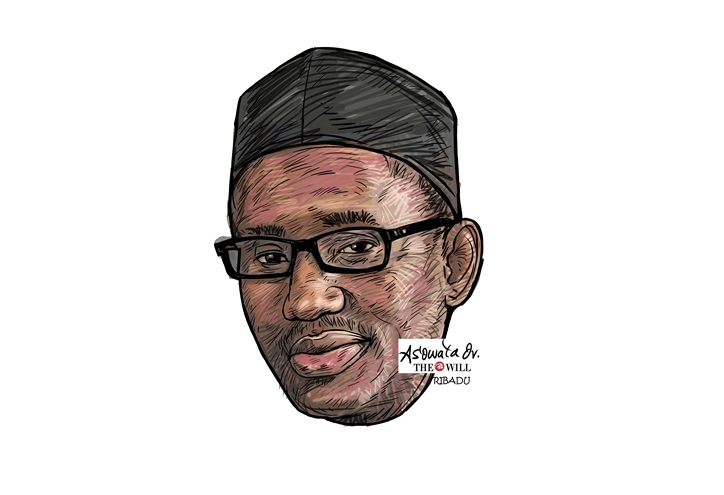
Addressing these root causes is essential. Poverty, lack of education, and limited opportunities fuel recruitment by extremists. Government programmes that expand jobs, skills training, and rural infrastructure could weaken terrorist appeal. Strengthening border security is also critical, given Ansaru’s ties to jihadist groups in the Sahel. The group’s links to Mali, Niger, and Burkina Faso show the regional dimension of the threat, requiring cooperation with neighbours. Community policing could help bridge gaps between citizens and security forces, building trust and improving intelligence gathering. Authorities must also ensure that recovered evidence from operations leads to prosecutions, breaking cycles of impunity.
Public support will remain vital. Ribadu’s call for vigilance and information sharing reflects the shared responsibility for national security. Trust in security agencies, however, depends on transparency and visible results. The media, as Idris stressed, must report responsibly, focusing on verified facts rather than sensationalism that inadvertently amplifies extremist propaganda. Civil society organisations, including the Muslim Rights Concern, welcomed the Ansaru arrests and called for increased funding for security agencies. Their emphasis on dialogue and reforms highlights the need for a comprehensive approach that blends military action with socio-economic initiatives.
The capture of Ansaru’s leaders offers hope but does not mark the end of Nigeria’s struggle. It illustrates the effectiveness of coordinated, intelligence-led operations but also exposes the persistence of banditry, kidnapping, and night-time insecurity across the country. Nigerians yearn for a time when highways are safe and homes can be slept in without fear. Achieving that goal requires sustained investment in security, governance, and development. The government must treat this success as a foundation for further action, not a conclusion. Security operatives who risk their lives deserve recognition, but their sacrifices will only bring lasting peace if Nigeria tackles the deeper problems that allow terrorism to survive. With determination, reform, and citizen cooperation, the vision of a safer Nigeria, day and night, can become realistic.