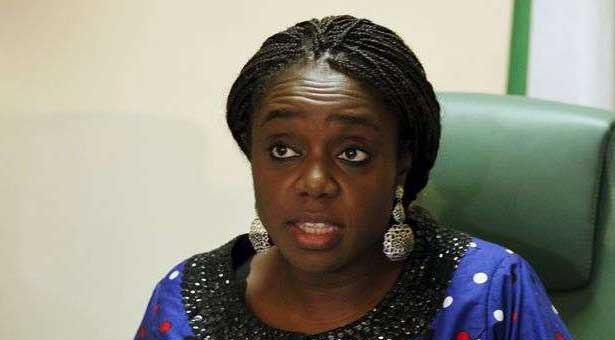
BEVERLY HILLS, December 17, (THEWILL) – The Minister of Finance, Mrs. Kemi Adeosun has clarified that the Federal Government is not planning to finance the deficit in the 2016 budget from proceeds of the N780bn fine imposed on MTN by the Nigerian Communications Commission, NCC.
THEWILL recalls that NCC had initially fined the South African mobile telecom company N1.04trn – more than 12 percent of the 2016 budget – for its failure to disconnect over five million unregistered SIM cards. But the amount was reduced to N780bn following the company’s talks with Nigerian authorities.
Speaking with Bloomberg, Adeosun further stated that in light of the pressure mounted on the economy by the plunging oil prices in the global crude market, Nigeria would borrow internationally and locally to fund the deficit next year’s budget.

Her words: “We need to stimulate the economy because we cannot afford this downturn to be excessively prolonged.”
“We think we have the headroom to borrow. We’re going to mix it between local and foreign debt. We’re talking to multilateral agencies already and we’re at an advanced stage. Then we’ll look at the foreign capital markets.”
“The budget will not include income from regulatory fines, such as the $3.9bn levied on MTN Group Ltd.”
Expressing Nigeria’s intention to boost non-oil revenue by N1.6trn in 2016 to help make up for the shortfall in earnings from crude exports, she said about N1trn would come from government agencies and ministries, which “have always been in the practice of not remitting funds generated”.
The Minister, while speaking on the need to audit recurrent expenditure which is up to N1.7trn in payroll alone, said: “If you’re spending that amount on something, you should be auditing and reviewing it. That’s a process we are just about to finalise.
“The deficits in the 2016 budget – which I based on an oil price of $38 per barrel – will more than double to N2.2trn.”
Data from the International Monetary Fund, IMF, indicates that Nigeria has a debt-to-GDP ratio of 12 percent, compared with 57 percent for Angola and 48 percent for South Africa. This feat is expected to aid the country should it seek to embark on foreign borrowing.