October 05, (THEWILL) — With Professor Mahmood Yakubu due to leave office in November 2025, the choice of his successor will be a decisive signal about how the Bola Tinubu Administration intends to manage the electoral cycle that leads to the 2027 General Election. The appointment is not merely a personnel matter because the chair of the Independent National Electoral Commission sets the tone and direction for how the country will register voters, run polling and handle disputes in the years ahead. The constitutional process gives the President the power to nominate the chair, subject to confirmation by the Senate and requires consultation with the Council of State before finalisation.
The European Union Election Observation Mission produced a detailed final report on the 2023 election and issued a list of reforms that it said were needed to strengthen credibility. The mission gave a set of recommendations directed at INEC, the legislature and other institutions and made clear that gaps in practice and law had contributed to public doubts about the conduct of the 2023 vote. Those recommendations remain a reference point for any serious discussion on who should lead the electoral commission and how the next poll will be organised.
Public confidence in the electoral system is thin and voter participation fell sharply in 2023. Independent reporting of official returns put turnout for the presidential and national assembly polls at roughly 26.7 per cent of registered voters, a marked decline from 2019. Surveys conducted before and after the vote documented that large numbers of citizens did not trust the electoral commission to act without political partiality. This mix of low participation and low trust raises a clear risk: Appointment choices that look partisan or opaque are likely to deepen scepticism and reduce incentives to vote.

The calendar for reforms and legislative work that would address these problems is tight. INEC has publicly told the National Assembly that early passage of amendments to the electoral legal framework is essential for proper planning. Parliamentary committees have produced draft amendment bills and the leadership of the legislature has signalled a renewed push to move measures through their stages, but the work requires detailed hearings and votes on contested provisions. The reality is that a delay in settling the legal framework will complicate operational planning and provide an opening for critics to doubt the neutrality of the administration and of the commission it appoints.
Civil society groups and some legal campaigners have asked for a transparent, documented selection process that includes published criteria and a clear timetable. The Socio-Economic Rights and Accountability Project urged the presidency to disclose details of the selection process and public interest organisations have sought ways to monitor the procedure without violating vetting rules. That demand reflects wider unease about political influence in appointments that affect national institutions. The Senate confirmation stage offers a formal check, but it is a test only if the public and credible watchdogs can see how candidates were chosen and what standards will guide the confirmation hearing.
There are practical steps and early signals that will matter. The publication of the criteria that the presidency used to assess candidates would give citizens and the press a clear metric against which to judge nominees. Release of scheduled timelines for security vetting and Council of State consultations would reduce room for secret manoeuvring. Journalists and advocacy groups have already asked whether the list of candidates and the process papers will be shared and whether Senate committee records from the confirmation will be made public. 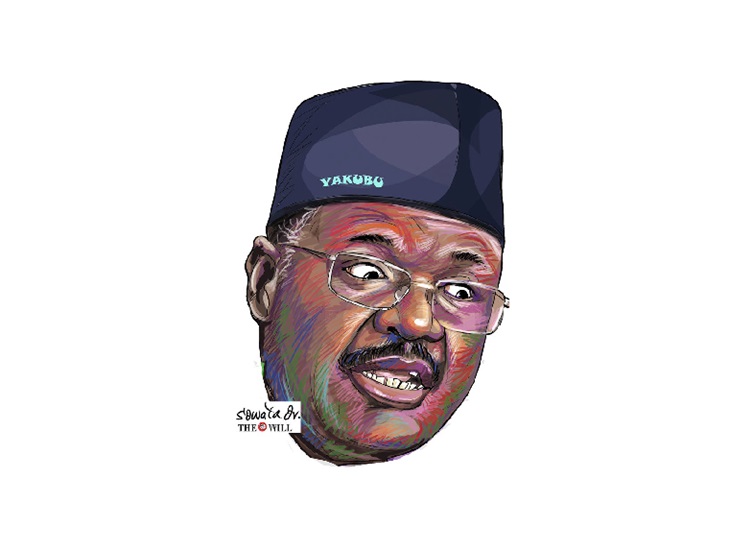
There is limited time to bring legal and administrative changes into effect if they are to have a meaningful impact on the next cycle. That external pressure increases the political stakes of the appointment and creates stronger public expectations for openness.
It is being speculated that President Bola Tinubu is likely to nominate Kogi State born Joash Ojo Amupitan, SAN, a university scholar, lecturer and Deputy Vice Chancellor at the University of Jos, Plateau State. I have not been able to independently confirm the names of the other frontline contenders yet.
For the credibility of the election process, it would do us a great good if the president publishes the selection criteria adopted for choosing the next INEC chairman. Making the formal shortlist public for debate and scrutiny before a Council of State debate and Senate confirmation will show that merit and neutral experience are the guiding forces. These are the types of steps that observers, including myself and many civil society organisations, have been pressing for in public statements and briefings.
There is also a practical political dimension. If the nomination and confirmation take place in public view and the candidate has a record of non-partisan administrative competence, the appointment could help stabilise the road to 2027 by giving voters some assurance that elections will be managed professionally. If the process looks rushed, secretive or beholden to partisan considerations, then the opposite is likely. Political actors who are not satisfied with an appointment produced by opaque methods will have incentives to contest results and those disputes will occur in a context of already thin turnout and fragile trust.
Independent observers warned after 2023 that unresolved problems in law and practice make this scenario more likely unless tangible steps are taken.
The appointment of the next INEC chair will shape public expectations and practical preparations for 2027. It may be the last major institutional choice before national campaigns intensify. Given the EU recommendations, the low turnout and the active legislative agenda, a transparent and credible appointment process, is a basic condition for rebuilding trust in the electoral system. If the presidency, the legislature and INEC respond to that test with clear public records and measurable steps, the country will make a modest but important step towards restoring confidence in our democracy. If they do not, the appointment will be a further source of doubt at a time when public trust is already fragile, if not already lost.