December 28, (THEWILL) — On Christmas Day 2025, the United States military launched cruise missile strikes against militant camps in northwest Nigeria, marking the first time a foreign power has conducted direct airstrikes on Nigerian soil. President Donald Trump announced the operation on social media, framing it as retaliation for attacks on Christians. Yet this seemingly tactical intervention represents something far more consequential: A fundamental recalibration of Nigeria’s defence posture and a troubling admission that Africa’s most populous nation can no longer secure its own territory without external military force.
The immediate facts are striking enough. More than a dozen Tomahawk missiles, fired from a US Navy vessel in the Gulf of Guinea, struck two camps used by militants in Sokoto State. Residents in areas such as Jabo reported explosions that shook buildings and illuminated the night sky. The target was Lakurawa, a group that evolved from community defence vigilantes around 2017 into a violent organisation now linked by some analysts to Islamic State Sahel Province. Nigerian authorities confirmed their approval of the strikes, with Foreign Minister Yusuf Tuggar emphasising that the operation followed consultations between President Bola Tinubu and US officials, involved shared intelligence and respected international law.
What distinguishes this intervention from previous foreign involvement is its nature. Nigeria has previously employed South African and former Soviet mercenaries against Boko Haram, commercial arrangements where Abuja retained control as employer and strategist. The Christmas strikes were different: A state-to-state military operation conducted by uniformed US forces acting on their own platforms and strategic imperatives, albeit with Nigerian permission. When a nation hires contractors, it maintains authority. When it invites a superpower to conduct airstrikes, it cedes a portion of its autonomy.

The operational reality that necessitated this strike exposes uncomfortable truths about Nigeria’s military capacity. Despite billions spent on aircraft including Super Tucano jets and attack helicopters, the country still required American cruise missiles to hit static camps within its borders. This suggests either a deficit in technical capability or a reluctance to deploy domestic assets effectively. Either conclusion points to the same problem: Nigeria’s armed forces, overstretched across nearly every state and performing police duties they were never designed for, are struggling to project power within their own territory.
The group targeted embodies the complexity of Nigeria’s security crisis. Lakurawa originated among herders from Mali and Niger who crossed porous borders and were initially invited by local Sokoto leaders to protect communities from bandits. Over time, the group imposed strict religious codes, collected taxes and launched attacks on villages and security forces. Whether they constitute a formal Islamic State affiliate remains debated, but their control over areas spanning Sokoto and neighbouring states is undisputed. They represent not solely an ideological threat but a symptom of state absence in remote regions where governance, economic opportunity and basic services have long been lacking.
The disconnect between American and Nigerian framing of the operation is significant and potentially dangerous. Trump’s explicit emphasis on protecting Christians introduces a sectarian narrative into conflicts driven primarily by resource competition, criminal enterprise and weak state presence. Sokoto State is overwhelmingly Muslim and most violence victims there share that faith. Data from conflict monitors recording nearly 6,000 violent incidents across Nigeria in 2025 shows civilians of all backgrounds suffering. Nigerian officials have insisted the strikes targeted terrorism affecting all citizens regardless of religion, but the gap between Washington’s fiery rhetoric and Abuja’s measured diplomacy creates a volatile mix. It risks providing militants with a propaganda victory, allowing them to claim they defend Islam against Western crusades, a narrative that has historically swollen extremist ranks.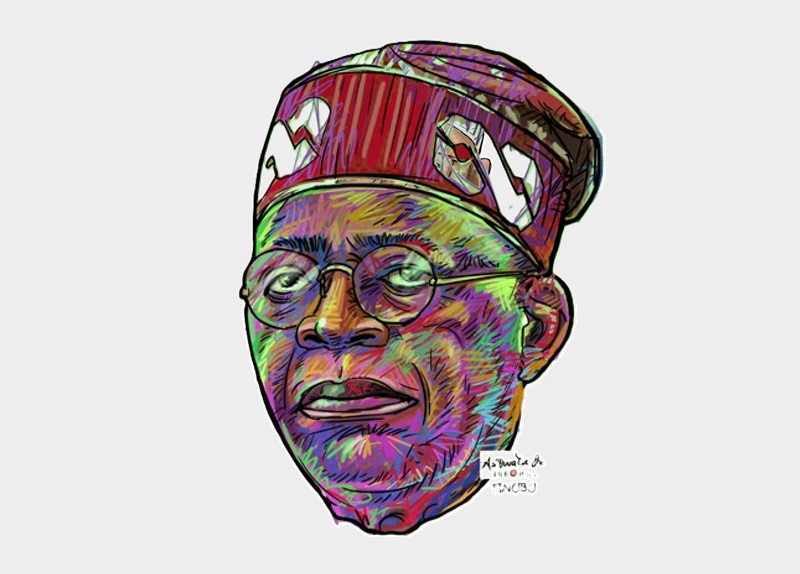
This asymmetry raises questions about whose priorities ultimately govern such operations. If the United States identifies targets that Nigerian military commanders consider inappropriate, or if American strikes create domestic political friction, does Abuja possess the leverage to refuse? The power dynamic tilts heavily toward Washington, particularly as the US seeks to re-establish influence in the Sahel following its forced withdrawal from Niger in 2024. Having lost drone bases in Agadez, the Americans require new vantage points to monitor regional threats. Nigeria has provided that platform, but the terms of this exchange remain opaque. Transparency matters when sovereignty is being negotiated. Nigerians deserve clarity on whether this represents a singular event or the beginning of a permanent US military presence involving immunity agreements and operational freedom.
The broader context makes the intervention both understandable and troubling. Nigeria faces multiple, simultaneous insurgencies: Boko Haram and Islamic State West Africa Province in the northeast, banditry and kidnapping across the northwest and emerging jihadist threats spilling southward from the Sahel. The Lakurawa gained strength following Niger’s coup, which severed security cooperation and allowed militants to drift across borders. Regional instability, climate-related conflicts over land and water, governance gaps and corruption all contribute to conditions where armed groups thrive. Military force can disrupt camps and eliminate commanders, but it cannot build the institutions required to hold territory and provide justice.
History offers cautionary lessons. Nations that outsource internal security to major powers often find themselves trapped in cycles of dependency and escalating violence. Foreign airstrikes frequently delegitimise local governments in the eyes of populations and in the volatile politics of the Sahel, perceived weakness proves fatal. Somalia and Afghanistan demonstrate how external military intervention, disconnected from state-building efforts, fails to produce lasting stability. American missiles cannot deliver water, electricity, healthcare or justice systems to rural Sokoto, Kebbi and Zamfara, where the Lakurawa fill a void left by state absence.
The arrival of ideologically motivated militants in the northwest was predictable. Security analysts had warned for years that unchecked banditry would eventually acquire a unifying cause. Now that hybrid threats have materialised, Nigeria’s response has been to request Washington’s help. This represents an admission of exhaustion from a military deployed across the federation, stretched beyond sustainable limits. The decision crosses a threshold from which return may prove difficult. Nigeria has traded sovereignty for security promises, an exchange that rarely delivers lasting benefits.
The Tomahawks may have struck their intended targets, but their implications extend far beyond physical destruction. They signal that Nigeria’s internal conflicts are becoming internationalised, that borders between local violence and global terrorism are dissolving. Without addressing fundamental structural weaknesses through genuine state-building, extension of governance to ungoverned spaces and accountability, Nigeria will remain dependent on foreign goodwill that can be withdrawn as swiftly as it was offered. The challenge now is ensuring that external cooperation complements rather than replaces efforts to strengthen domestic capacity, because sustainable peace cannot be imported on cruise missiles.