
-
Nigeria, Ghana, and Côte d’Ivoire are forming a historic alliance to stop exporting cheap raw beans and take control of their own supply.
-
By acting together, these nations want to break the power of global chocolate brands that take the bulk of the profits.
-
Critics warn that just processing cocoa into butter is a low-profit, power-hungry business that might not bring the expected wealth.
-
To win this economic war, West African nations must build their own global chocolate brands instead of just doing the heavy industrial lifting.
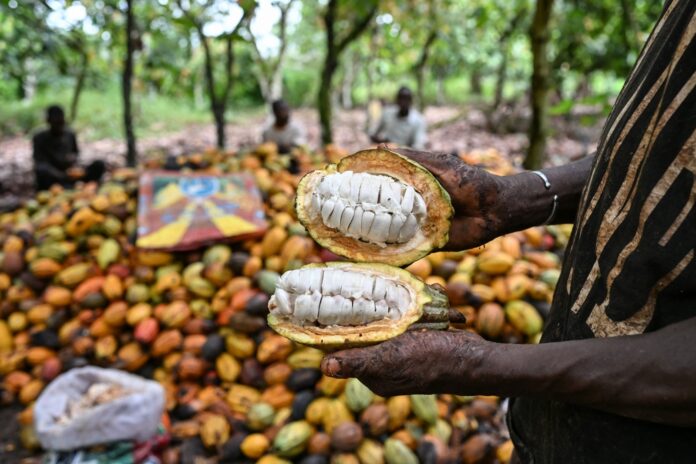
July 15 , (THEWILL) — For generations, West Africa has grown the cocoa that satisfies the global love for chocolate. Yet the countries growing the crops have watched almost all the money go to other nations.
Now, Nigeria, Ghana, and Côte d’Ivoire are taking a bold step to rewrite the rules of the trade. At a high-level meeting in Abuja, these countries agreed to process more cocoa at home instead of exporting raw beans.
This plan comes from a growing belief that selling raw materials cannot build a strong economy. Whether we look at cocoa, crude oil, or minerals, the countries that process and package the final products always make the most money.

“For a hundred years, Africa has sent its cocoa to the world in sacks and received it back in wrappers, paying at both ends of the transaction… We do not gather to lament the market. We gather to redesign our place in it”, Senator John Owan Enoh, Nigeria’s Minister of State for Industry.
This shift is highly important for Nigeria. A recent rise in global prices pushed local cocoa earnings past three trillion Naira, making it a top export besides crude oil.
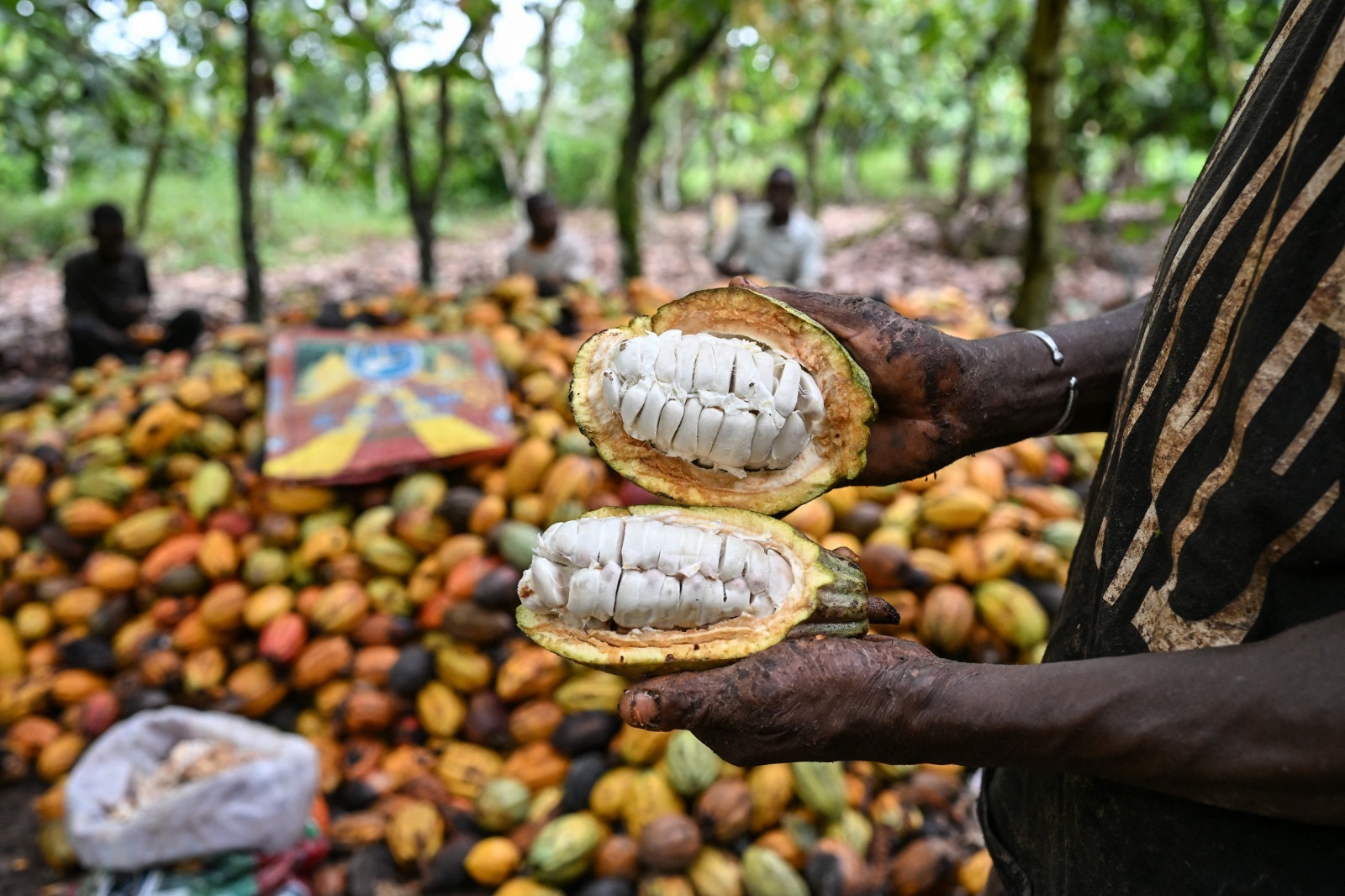
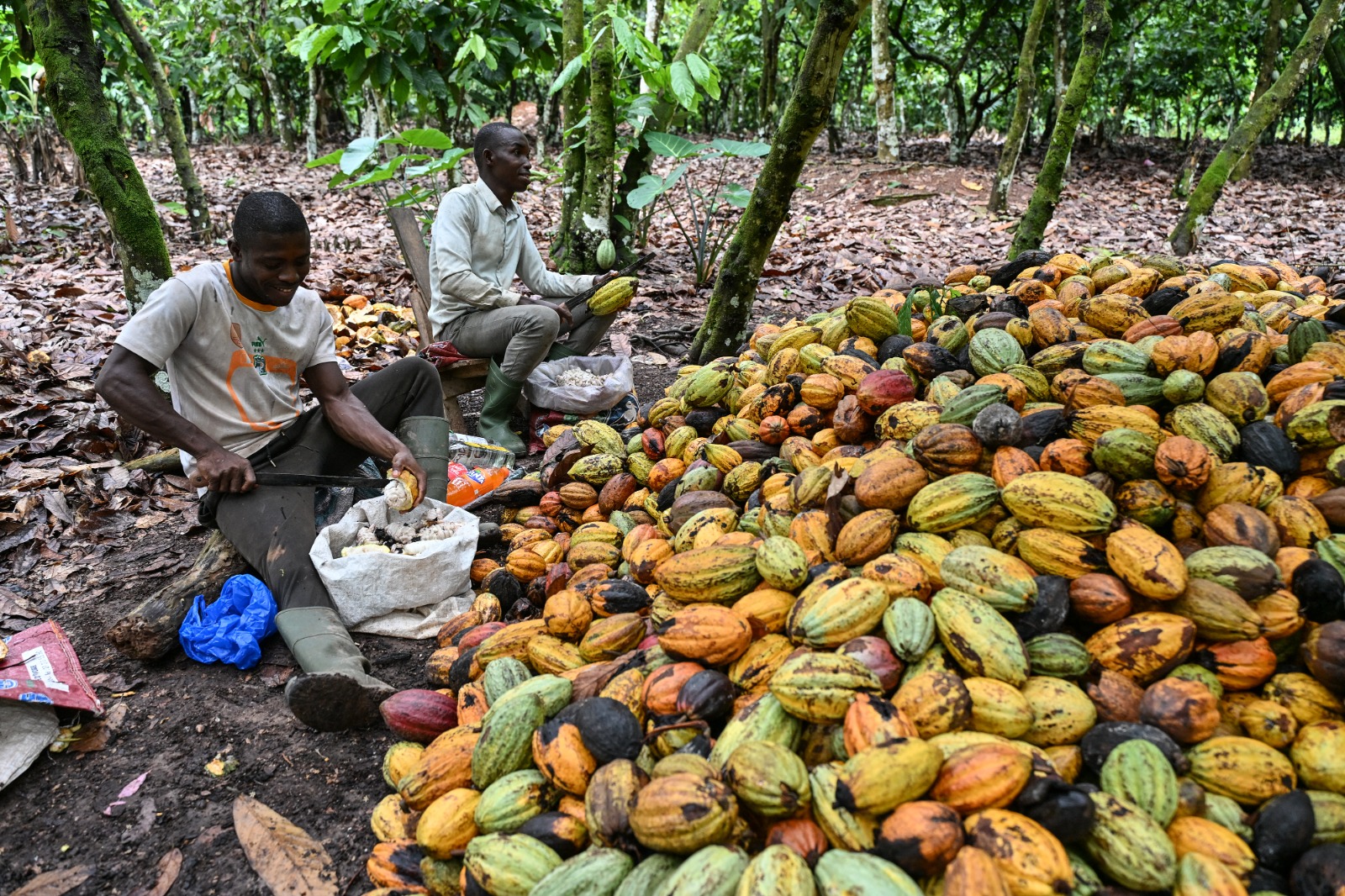
Over 300,000 farming families grow cocoa across roughly one point four million hectares. Still, most of this money depends on selling raw beans to global markets. These prices change constantly due to factors that local farmers cannot control. High prices might help one season and drop the next, leaving families vulnerable.
The new agreement goes beyond building factories. Nigeria, Ghana, and Côte d’Ivoire want to make rules that bring in investments, track where cocoa comes from, and protect the environment. Cameroon is also joining the group to strengthen the alliance.
Right now, these countries negotiate with global buyers on their own, which makes them weak.By standing together, they control most of the world’s cocoa supply and hope to get a better deal.
The Hidden Trap of Grinding Cocoa Beans at Home
The biggest mistake in this plan is assuming that grinding beans is highly profitable. Crushing cocoa beans into butter and liquor is a tough business that requires massive factories, constant electricity, and cheap loans. These are things that are very hard to find in West Africa.
The real retail profits of the chocolate industry are made at the very end of the chain. The big money goes to companies that own the secret recipes, the famous brand names, the marketing campaigns, and the shelf space in global supermarkets.
By focusing only on grinding, African nations might end up doing the most expensive, power-hungry, and polluting work.
Meanwhile, Western chocolate makers will save money on running heavy machinery. They can easily buy the cheap cocoa butter from Africa and focus entirely on high-profit marketing and packaging.
“Africa produces about 70 percent of global cocoa, but retains barely six cents of every dollar earned from the chocolate industry… We did not gather in Abuja today to lament that arithmetic. We gather to end it.”
But simply changing raw bean exports into butter exports does not solve the problem. It just shifts the bottleneck.
Nigeria is putting a lot of resources into this strategy. The government is backing a massive processing plant in Shagamu, Ogun State, designed to process seventy thousand tonnes of cocoa every year. This facility will help push the total grinding capacity of the country past one hundred and twenty thousand tonnes.
However, running a plant of this size requires a flawless power supply. In a country where factories must run on expensive diesel generators, the cost of processing cocoa in Shagamu could easily be much higher than processing it in a foreign factory powered by cheap, steady energy.
Additionally, this sudden rush to form a cocoa alliance is a defensive move against a new European Union law. Starting on December 30, 2026, Europe will ban any cocoa that cannot be traced back to its exact farm to prove it did not cause forest loss. For millions of poor West African farmers, the technology and paperwork required to prove this are too expensive.
By uniting, West African nations are trying to force buyers to help pay for these new compliance costs. But if these countries want to truly keep the wealth at home, they cannot stop at just grinding beans.
They must create their own chocolate brands, negotiate better trade deals, and sell directly to consumers. Until then, local factories will simply do the hard work for foreign companies, proving that processing cocoa is pointless if you do not own the actual chocolate bar.
For further details on the regional perspective, watch this interview with Nigeria’s Agricultural Minister explaining the nation’s broader strategy to establish itself as a global cocoa powerhouse.
Nigeria Positions Itself as a Global Cocoa Powerhouse – Minister Kyari

