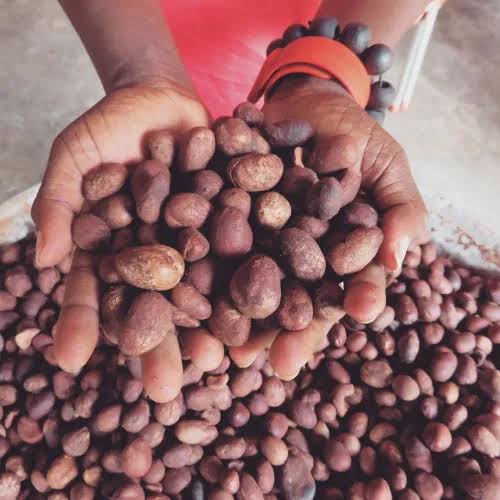
August 27, (THEWILL) — The Federal Government of Nigeria has announced a six-month ban on export of raw shea nut.
Nigeria produces nearly 40 percent of global shea products, but accounts for only one percent of the $6.5 billion international market.
Speaking during a multi-stakeholder meeting at the Presidential Villa on Tuesday, Vice President Kashim Shettima said the temporary embargo on Shea nuts export, was reached to protect domestic processors and secure raw materials for industries currently running below installed capacity. He emphasised that the new policy is expected to generate at least $300 million annually in the short term, with prospects of a tenfold increase by 2027.

Shettima also disclosed that Nigeria is working with Brazil to secure access for Nigerian shea butter and oil in the Brazilian market within three months.
“This is not an anti-trade policy but a pro-value addition policy designed to secure raw materials for our processing factories and enabling industries run at full capacity, thereby boosting rural income and jobs for our people. It will transform Nigeria from an exporter of raw shea nut to a global supplier of refined shea butter, oil and other derivatives. This is about industrialisation, rural transformation, gender empowerment and expanding Nigeria’s global trade footprint.”
“By protecting the shea industry, we are protecting livelihoods, dignity and opportunity for millions of our women. We are not closing doors, we are opening better ones”, he said.
The Minister of Agriculture and Food Security, Abubakar Kyari, also emphasised that the temporary ban is expected to secure domestic supply, curb informal trade, and strengthen Nigeria’s transition from exporting raw shea kernels to exporting high-value derivatives such as butter, olein and stearin.
Kyari explained that despite producing about 350,000 metric tonnes of shea annually, Nigeria loses over 90,000 metric tonnes to informal cross-border trade each year. He said the country’s processors currently operate at only 35–50 percent of their 160,000-metric-tonne installed capacity.
“Neighbouring countries such as Ghana, Burkina Faso, Mali and Togo, have already imposed restrictions to protect their industries, leaving Nigeria as an outlier and a hotspot for opportunistic buying. Shea is one of the few commodities where our country holds both a comparative and absolute advantage. With over five million hectares of wild-growing shea trees, Nigeria has the natural endowment to dominate not only in production, but also in value-added processing”, he said; adding that more than 90 percent of pickers and processors in the sector are women, making investment in shea critical to women’s empowerment, rural job creation and sustainable livelihoods.

Felix Ifijeh is a journalist with years of professional reporting experience. Known for his keen news sense, compelling storytelling and commitment to accurate, impactful reporting, he has built a reputation for turning leads into clear, engaging, and well-structured reports that resonate with readers. His work reflects deep newsroom experience and a commitment to accurate, impactful journalism.