

-
West African heads of state have approved the legal framework needed to move the Nigeria-Morocco gas pipeline into its next phase.
-
The 6,900-kilometre pipeline will run through 13 West African coastal countries before reaching Morocco and connecting to Europe.
-
The project is expected to supply gas to power plants, factories and fertilizer producers across the region while creating a new export route to Europe.
-
With political backing now secured, the project is preparing for its Final Investment Decision before construction is expected to begin in 2028.
July 21, (THEWILL) — After years of planning and negotiations, one of Africa’s biggest energy projects is finally moving closer to reality.
Leaders of the Economic Community of West African States (ECOWAS) have signed the Intergovernmental Agreement for the $25 billion African Atlantic Gas Pipeline, clearing one of the biggest hurdles standing in the way of the ambitious project.
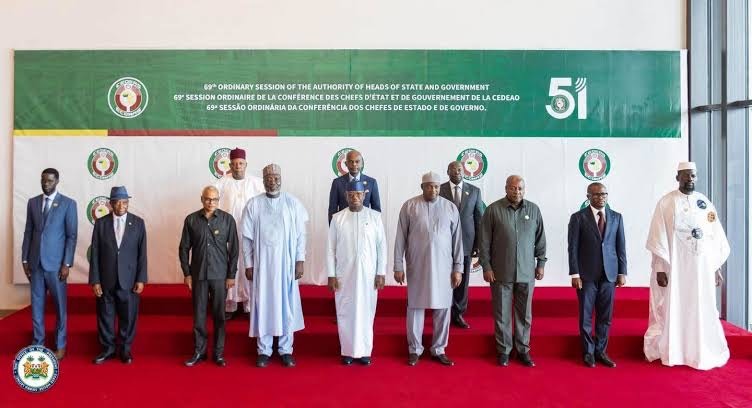
The agreement, signed during the 69th Ordinary Session of the ECOWAS Authority of Heads of State and Government in Freetown, Sierra Leone, gives participating countries the legal framework needed to move the pipeline from planning into the next stage of development.

The pipeline is being developed by the Nigerian National Petroleum Company Limited (NNPC) and Morocco’s Office National des Hydrocarbures et des Mines (ONHYM).
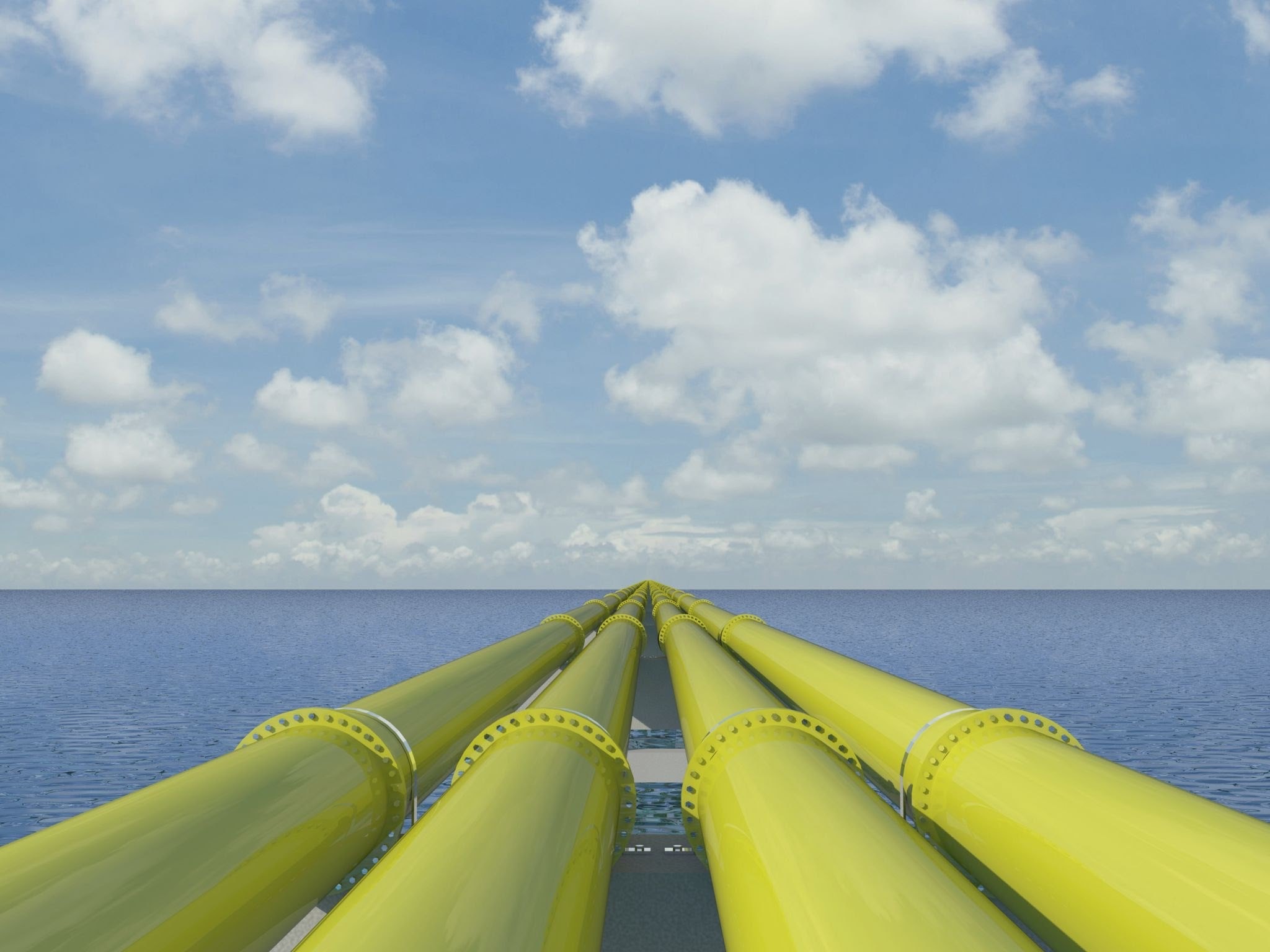
Stretching about 6,900 kilometres along Africa’s Atlantic coast, it will pass through 13 West African coastal countries before reaching Morocco, where it is expected to connect with existing gas infrastructure supplying European markets.
For Nigeria, the project could open a new chapter in how the country uses its vast natural gas resources. Instead of exporting more raw gas alone, the pipeline is expected to help deliver fuel to power stations, factories and fertilizer plants across West Africa while creating another route to customers in Europe.
The Bigger Prize for West Africa
Nigeria holds about 215 trillion cubic feet of proven natural gas reserves, according to the Nigerian Upstream Petroleum Regulatory Commission (NUPRC), making it the largest holder of proven gas reserves in Africa.
Despite those reserves, unreliable electricity continues to slow businesses, increase production costs and limit industrial growth.
Supporters of the pipeline believe the project could help change that by supplying natural gas to power stations, factories and fertilizer plants across the region, while also strengthening trade between neighbouring countries.
African Atlantic Gas Pipeline at a Glance
- Estimated cost: $25 billion.
- Length: About 6,900 kilometres.
- Annual capacity: 30 billion cubic metres of natural gas.
- Potential exports to Europe: Up to 15 billion cubic metres each year.
- Countries involved: 13 West African coastal nations and Morroco.
Nigeria’s Minister of State for Petroleum Resources (Gas), Ekperikpe Ekpo, said the agreement reflects the country’s plan to make better use of its gas resources instead of leaving much of them untapped.
“This agreement gives further momentum to our ambition to move from being merely a gas-rich country to becoming a gas-powered economy and a dependable regional energy partner. The pipeline will catalyse investment, create jobs and power heavy industry across participating states,” Ekpo said.
If completed, the project would not only move gas across borders. It could also support new industries, improve electricity supply and encourage manufacturers to invest in countries along the pipeline route.
From Paper to Reality
Signing the agreement does not mean construction begins immediately, but it clears one of the biggest political hurdles facing the project.
Under the agreement, the Pipeline Higher Authority will be based in Abuja, where it will coordinate policy and oversee cooperation among participating governments.
The African Atlantic Gas Pipeline Project Company, which will manage construction and commercial operations, will operate from Casablanca, Morocco.
Speaking after the signing, outgoing ECOWAS Chairman and Sierra Leonean President Julius Maada Bio described the agreement as an important step for the region’s future.
“We have signed the West Africa-Morocco gas pipeline agreement. Don’t be surprised when the gas comes your way. This is a decisive step toward energy independence and industrial integration for our subregion,” Bio said.
The pipeline is designed to transport up to 30 billion cubic metres of natural gas every year.
Project documents say part of that supply could eventually reach Europe through Morocco’s existing gas network, while the rest would serve industries and power plants across West Africa.
The next major milestone is the Final Investment Decision (FID), the stage at which governments, lenders and investors formally approve funding for construction.
If that process stays on schedule, work on the pipeline is expected to begin in 2028, with the first deliveries of natural gas targeted for 2031.
When the project reaches completion, it will rank among the world’s longest offshore gas pipelines.
More importantly, it could give West Africa something it has pursued for decades; a way to use more of its own natural gas to power homes, grow industries and earn more from one of the region’s most valuable natural resources.

Felix Ifijeh is a journalist with years of professional reporting experience. Known for his keen news sense, compelling storytelling and commitment to accurate, impactful reporting, he has built a reputation for turning leads into clear, engaging, and well-structured reports that resonate with readers. His work reflects deep newsroom experience and a commitment to accurate, impactful journalism.
