
June 09, (THEWILL) — The Federal Government has said Nigeria is now on a stronger economic footing despite mounting global economic uncertainties, as it welcomed the International Monetary Fund’s (IMF) 2026 Article IV Mission Concluding Statement, describing the assessment as an independent validation of ongoing reforms under President Bola Tinubu’s administration.
The government said the IMF report affirmed that policy measures introduced over the past three years are strengthening macroeconomic stability, restoring investor confidence and positioning Nigeria for long-term growth.
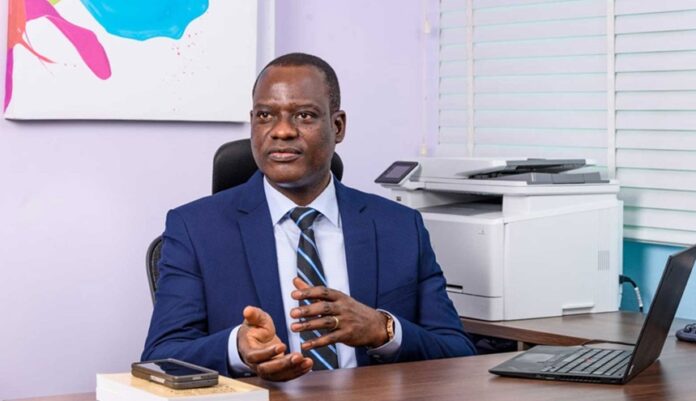
In a statement issued on Tuesday by the Minister of Finance and Coordinating Minister of the Economy, Taiwo Oyedele, the Federal Government said the report acknowledged significant progress in key economic indicators and showed that Nigeria had become more resilient to external shocks.

According to the statement, the IMF specifically highlighted improvements in the functioning of the foreign exchange market, stronger external reserves, ongoing fiscal and revenue reforms, resilience within the banking sector and overall improvements in macroeconomic stability.
The government noted that these developments demonstrated that Nigeria’s economy was moving in the right direction and had become better positioned to navigate global economic volatility than in previous years.
“The report provides further independent validation that the bold and necessary reforms undertaken under the leadership of President Bola Ahmed Tinubu are strengthening macroeconomic stability, restoring confidence and laying the foundation for sustainable and inclusive growth”, the statement read.
The Government particularly welcomed the IMF’s recognition of what it described as difficult but necessary economic decisions, including the removal of fuel subsidies, elimination of deficit monetisation practices, liberalisation of the foreign exchange market and efforts to strengthen fiscal discipline.
According to government officials, these reforms have significantly reduced vulnerabilities within the economy while helping rebuild investor confidence.
The statement also came against the backdrop of growing economic concerns arising from renewed tensions in the Middle East and broader global market pressures.
It observed that the recent conflict in the Middle East had triggered additional challenges for economies worldwide through rising energy prices, increasing food costs, tighter financial conditions and disruptions across global supply chains.
Despite these pressures, the government said the IMF noted Nigeria’s ability to maintain economic stability.
According to the statement, the Fund observed that despite increases in global energy prices, Nigeria’s foreign exchange parallel market premium had remained below five per cent, sovereign spreads remained relatively stable and investor confidence had largely been sustained.
The government further stated that Nigeria could potentially benefit from higher global energy prices through stronger export earnings, improved fiscal revenues and increased foreign exchange inflows.
To leverage such opportunities, the Federal Government said efforts would continue to focus on expanding crude oil production, strengthening domestic refining capacity, increasing gas production and exports and attracting fresh investments across the energy value chain.
The government, however, acknowledged the IMF’s concerns regarding persistent poverty and food insecurity across the country.
While citing data showing that per capita income grew by nearly 10 percent in 2025 — a development officials said pointed toward declining poverty levels — the administration admitted that economic stability alone would not automatically translate into improved living standards for citizens.
The statement stressed that growth must remain inclusive and deliver measurable benefits to ordinary Nigerians.
Accordingly, the government said it was strengthening targeted intervention programmes designed to support vulnerable groups and expand economic opportunities. Such interventions, according to the statement, include direct cash transfers to vulnerable households, support for small businesses, educational financing through the Nigerian Education Loan Fund (NELFUND), consumer credit initiatives, healthcare investments and livelihood support programmes.
In agriculture, the Federal Government said it was expanding investments through the Renewed Hope National Agricultural Mechanisation Programme and other initiatives targeted at increasing productivity and food security.
The statement said ongoing efforts include expanding irrigation systems and dry-season farming, improving access to agricultural inputs and financing, strengthening value chains and increasing rural productivity.
Government officials said these initiatives were expected to contribute toward reducing food inflation while creating employment opportunities and raising incomes in rural communities.
The administration also welcomed the IMF’s acknowledgement of progress in domestic revenue mobilisation and public finance reforms.
The statement noted that implementation of new tax laws, digitalisation of revenue collection systems and stronger accountability measures would continue to improve fiscal sustainability and create a more transparent tax environment.
It further acknowledged IMF recommendations concerning fiscal reporting, budget transparency and reconciliation of economic data, adding that steps were already underway to strengthen fiscal data integrity and improve coordination among relevant institutions.
Looking ahead, the government said the IMF’s medium-term projections remained encouraging, with expectations of economic growth above four per cent, stronger external reserves, rising investments and improved fiscal revenues.
Officials also noted that public debt had declined relative to Gross Domestic Product while reserve buffers had strengthened considerably.
According to the government, these outcomes, combined with recent sovereign credit rating improvements, reflected the increasing resilience of Nigeria’s economy and the positive impact of ongoing reforms.
Reaffirming its commitment to sustaining reforms, the Federal Government said it would continue implementing policies aimed at preserving macroeconomic stability, accelerating inclusive growth, improving infrastructure, strengthening human capital development and creating employment opportunities.
While acknowledging that economic challenges remain, the government insisted that the reform agenda remains focused on delivering broader benefits to citizens.
“The ultimate objective of these reforms is not merely improved economic indicators, but better outcomes for all Nigerians — lower inflation, decent jobs, higher incomes, greater economic opportunities and an improved quality of life”, it concluded.

Felix Ifijeh is a journalist with years of professional reporting experience. Known for his keen news sense, compelling storytelling and commitment to accurate, impactful reporting, he has built a reputation for turning leads into clear, engaging, and well-structured reports that resonate with readers. His work reflects deep newsroom experience and a commitment to accurate, impactful journalism.
