December 19, (THEWILL) — Nigeria’s oil revenue significantly underperformed budget expectations in the first seven months of 2025, raising fresh concerns about the sustainability of the federal government’s fiscal plans for the year.
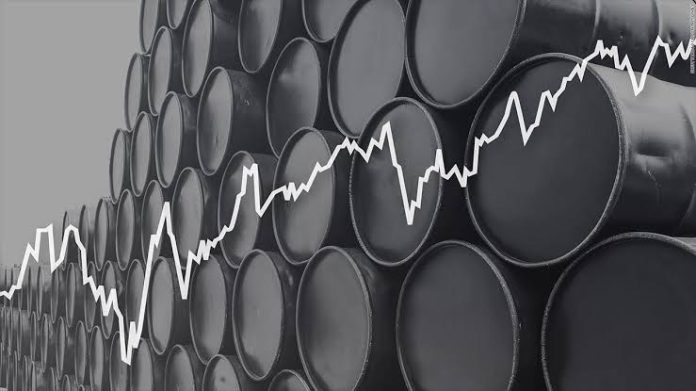
Data from official budget implementation reports show that oil and gas receipts stood at about ₦4.6 trillion by the end of July, far below the ₦12.2 trillion projected for the same period. This represents a shortfall of roughly 62 percent, dealing a major blow to revenue assumptions underpinning the 2025 Appropriation Act.
Oil revenue remains a critical pillar of Nigeria’s public finances, accounting for a large share of federally collected revenue and foreign exchange earnings. The sharp underperformance has widened the gap between government income and expenditure, increasing pressure on borrowing and other non-oil revenue sources.

The 2025 budget was benchmarked on ambitious assumptions, including crude oil production of over 2 million barrels per day and an average oil price of about $75 per barrel. However, actual output has remained below target, weighed down by persistent challenges such as pipeline vandalism, oil theft, operational disruptions, and lower export volumes.
The revenue shortfall has broader fiscal implications. Aggregate federal revenue for the period also fell well below projections, while expenditure commitments particularly debt servicing and personnel costs continued to rise. Analysts warn that this imbalance could further strain public finances and limit the government’s ability to fund capital projects and social programmes.
Economic experts say the latest figures highlight long-standing structural weaknesses in Nigeria’s oil-dependent revenue model. They argue that repeated budget shortfalls point to the need for more conservative forecasting, improved oil sector governance, and faster progress on diversifying government revenue.
In response, the federal government has reiterated its commitment to boosting crude oil production, curbing theft, and strengthening security around oil infrastructure. Authorities have also emphasised ongoing reforms aimed at expanding non-oil revenue through improved tax administration, customs reforms, and support for non-oil exports.
As oil revenue continues to lag behind expectations, attention is expected to shift to how the government adjusts its fiscal strategy for the remainder of the year balancing the need to meet spending obligations with growing concerns over rising deficits and debt sustainability.

Ogochukwu Onwaeze