October 28, (THEWILL) – In a bid to tackle inflation and ensure food security, the Federal Government is intensifying efforts to increase food production in the country by targeting 600,000 farmers for the November to February 2025 planting season.
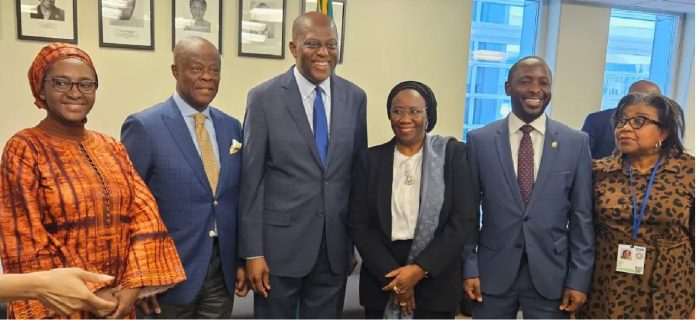
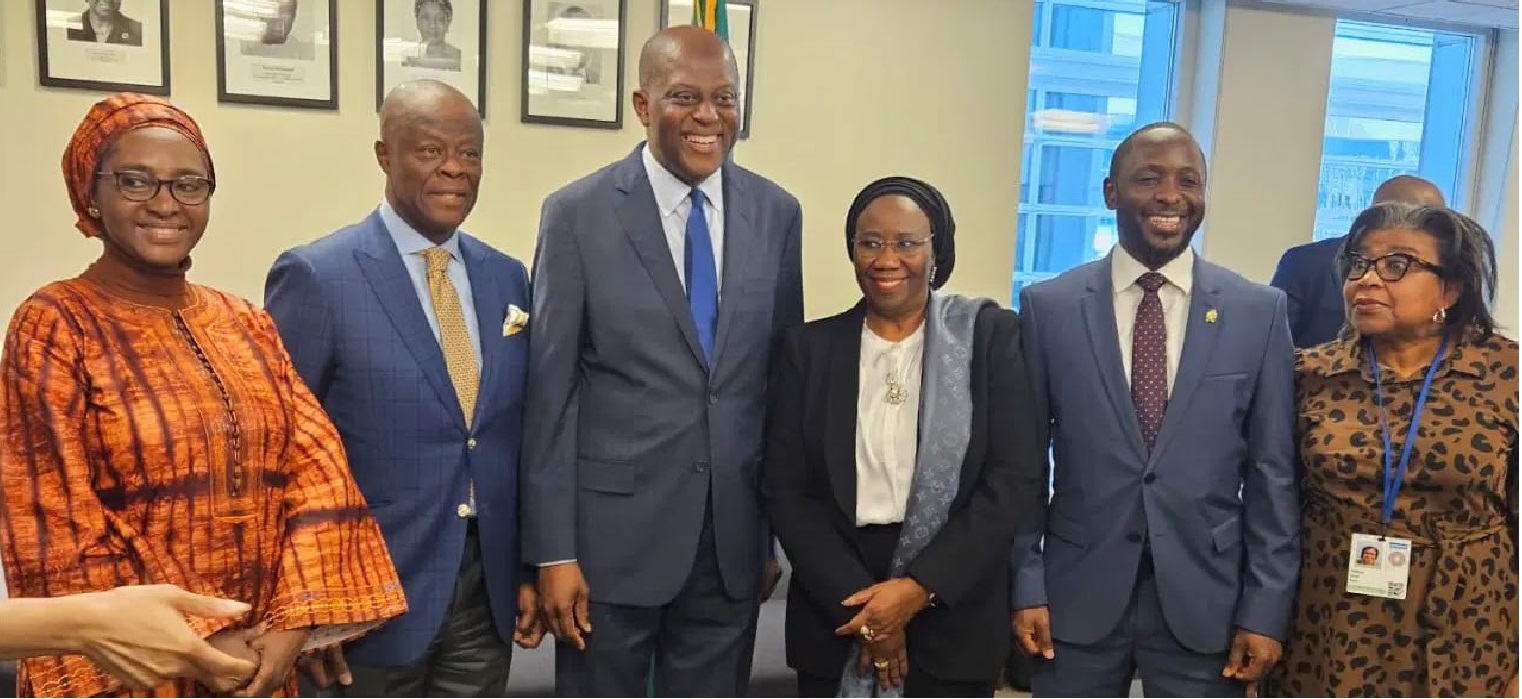
The Finance and Coordinating Minister of the Economy, Mr. Wale Edun, who disclosed this at the Nigerian delegation’s wrap-up briefing session, during the 2024 IMF/World Bank Annual Meeting in Washington DC at the weekend, stated that the government is focusing on collecting the wet season harvest and identifying small-scale farmers to ensure a good dry season harvest.
The minister stated further that efforts are being intensified to increase food production in the country and that with good harvests, the inflation rate will fall, given that food is responsible for 50 percent of the Consumer Price Index.

He said, “One of the key things that we are focusing on at this particular time is ensuring that we dutifully collect the wet season harvest, which is underway at the moment. In addition, we have diligently identified small-scale farmers to ensure we have a good dry season harvest, which will lead to increased outputs of food, increased availability and increased affordability.”
Edun emphasised that, “we need to remember that food represents 50 percent of the Consumer Price index. So, success in this area will help to drive down inflation in addition to all the other measures that the Governor of the Central Bank of Nigeria, using data and evidence-based information to fight inflation, is implementing. When you put all that together, it will go well to fight the rate of inflation, which will automatically line things up, as we have seen from the examples of advanced countries”
The minister noted that 600, 000 farmers are being assisted by the Federal Government to farm about 1 million hectares in November for planting wheat, as well as, in January and February, when they will plant rice.
“With these efforts in place, Nigeria is poised to overcome its economic challenges and ensure food security for its citizens. The government’s commitment to supporting farmers will go a long way in driving down inflation and promoting economic growth”, Edun said.
Also speaking, the Senate Inter-Parliamentary Committee Chairman, Senator Jimoh, suggested a stop-gap measure that will save the poor from starvation. He urged the Federal Government to issue poor Nigerians with food vouchers, as a means of tackling hunger in the nation.
Jimoh observed that food vouchers would be more effective in addressing the food supply challenges of poor Nigerians than the current Cash Transfers initiative of the administration.
In support of Nigeria’s effort to boost economic growth through agriculture, alongside services and trade, the World Bank has projected that agriculture, trade and others are expected to drive Nigeria’s economy’s growth by 3.3 percent in 2024 and 3.7 percent in 2025.
The World Bank disclosed this in its recent Global Economic Prospects (GEP) 202, adding that Sub-Saharan Africa will experience a 3.8 percent and 4.1 percent economic rebound in 2024 and 2025, respectively.
Speaking on Nigeria, the bank said that growth in Nigeria is projected at 3.3 percent this year and 3.7 percent in 2025—up to 0.3 and 0.6 percent, respectively, since June—as macro-fiscal reforms gradually bear fruit. The baseline forecast implies that per capita income will reach its pre-pandemic level only in 2025. Growth is expected to be driven mainly by agriculture, services and trade”.
The World Bank also predicted that inflation should gradually ease as the effects of last year’s exchange rate reforms and the removal of fuel subsidies fade and this is expected to boost fiscal revenue over the forecast period.
THEWILL recalls that as part of its effort to increase food production in the country, boost the Gross Domestic Product and provide mass employment for the citizenry, the Federal Government created the Ministry of Livestock Development last week.
President Bola Tinubu who addressed participants at a two-day Consultative Workshop of Livestock Reforms held at the State House Conference Centre, Abuja, last Thursday, described the livestock sector as critical. “We will give all it needs to bring value to our country. Stakeholders, I assure you that you will not regret the collaboration and investment in this sector.”
“Yes, we can do it. We can bring prosperity to our people. We can feed our children. From grass, we can achieve grace. We can contribute so much to the Gross Domestic Product (GDP) and provide decent jobs,’’ the President noted.
Tinubu said the shared mission on the sector aims to transform the livestock sector from its current subsistence model into a thriving, commercialised industry, an industry that significantly contributes to Nigeria’s Gross Domestic Product and provides decent jobs and sustainable livelihoods for the country’s growing population.

Felix Ifijeh is a journalist with years of professional reporting experience. Known for his keen news sense, compelling storytelling and commitment to accurate, impactful reporting, he has built a reputation for turning leads into clear, engaging, and well-structured reports that resonate with readers. His work reflects deep newsroom experience and a commitment to accurate, impactful journalism.