
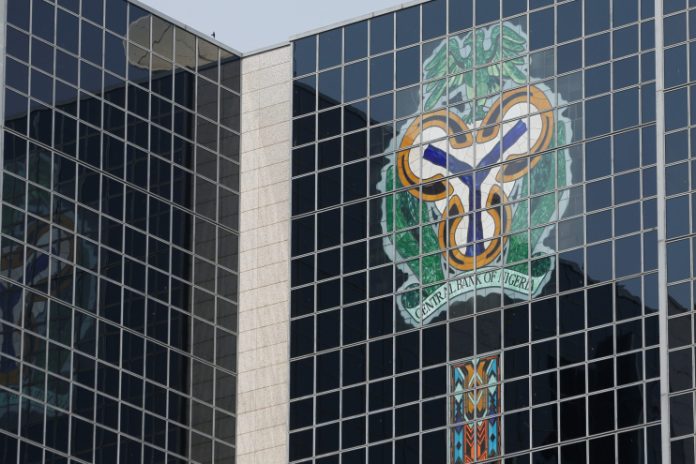
December 25, (THEWILL) — Nigerian banks flooded the Central Bank of Nigeria (CBN) with excess liquidity on Christmas Eve, depositing a combined ₦3.7 trillion through the Standing Deposit Facility (SDF), underscoring persistent surplus cash in the banking system despite the tight monetary policy environment.
The sharp inflow reflects elevated system liquidity driven by year-end inflows, maturing instruments, and cautious lending appetite as banks prioritised balance-sheet positioning ahead of the holiday period. With limited short-term lending opportunities and heightened risk aversion, deposit money banks opted to park idle funds with the apex bank at the SDF window.
Market analysts note that the sizeable placement highlights the effectiveness of the CBN’s liquidity mop-up framework, even as high interest rates continue to suppress private-sector credit expansion. The SDF allows banks to earn interest on surplus funds, making it an attractive option during periods of excess liquidity.

The development comes amid sustained tight monetary conditions, with the Monetary Policy Rate (MPR) at elevated levels as the CBN seeks to rein in inflation and stabilise the foreign exchange market. However, the scale of the Christmas Eve placements suggests that liquidity pressures remain uneven across the financial system.
Analysts also point to seasonal factors, including reduced interbank activity and cautious treasury operations during the festive period, as contributing to the surge in SDF usage. “Banks typically prefer risk-free placements with the CBN during holidays, especially when credit demand is muted”, a fixed-income dealer said.
Looking ahead, market watchers expect excess liquidity to moderate in early January as government cash withdrawals, bond auctions, and treasury bill issuances absorb funds from the system. Nonetheless, the latest data reinforces expectations that monetary authorities may sustain aggressive liquidity management measures to align money market conditions with broader macroeconomic objectives.

Ogochukwu Onwaeze
