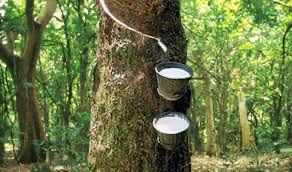
May 21, (THEWILL) – Following the absence of credit facilities to rubber Farmers in the country, the farmers under the National Rubber Producers, Processors and marketers Association of Nigeria, NARPPMAN, have switched to Carbon Marketing to secure long-term funding for the sector.
National president of NARPPMAN, Prince Peter Igbinosun, disclosed this in Calabar during a plenary meeting with critical stakeholders including rubber farmers, representatives of lending banks and government officials.
Carbon marketing, according to him, is the selling of carbon that emits from the rubber trees.
Rubber trees, he said, take in the most carbon amongst all the trees, and United Nations and other agencies which promote environmental and ecological sustainability are ready to give grants to plantations.
He encouraged owners of rubber plantations in Cross River and other states to seize the opportunity and get registered.
He explained that his team has met with officials of the federal ministry of environment who have hailed the initiative and called for regular updates from his associtation regarding progress in the direction.
“The good thing about this carbon marketing is that the federal government is very much in support.
“Carbon emitting from our plantations will generate credits for our farmers. The credits will come in millions of Dollars.
“With this carbon credits, it will enable us reinvest and regenerate our aging trees.
“I need all rubber farmers to register and input correct data because assessments of the plantations will definitely be carried out physically”, he said.
He encouraged them to ensure that they possess documents showing ownership of such lands and farms.
He, however, decried the fact that due to long gestational period of seven years, many financial institution have continued to deny rubber farmers credit facilities, thereby crippling the sub-sector despite its huge potentials.

THEWILL Correspondent, Aniekan Bassey has over six years experience that spans across several fields in print journalism including development communication, sexual reproductive and health rights issues, crime, climate change, social justice, business and human interest stories.