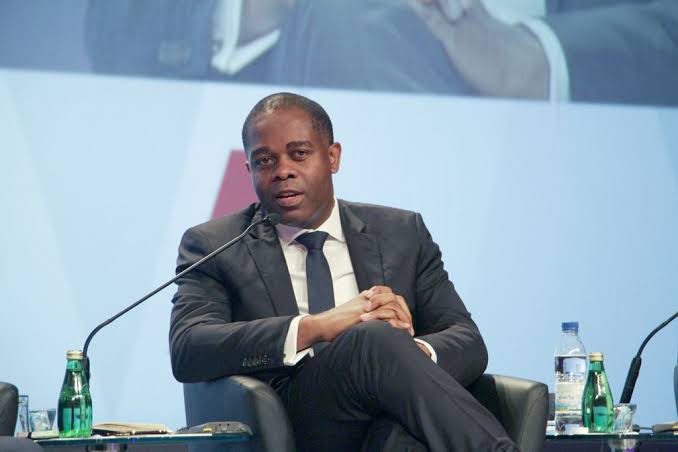
April 25, (THEWILL) – The Director-General of the National Health Insurance Authority (NHIA), Dr. Kelechi Ohiri, has raised the alarm over the low enrollment of Nigerians in health insurance schemes, warning that the health of citizens is at risk.
Speaking on Friday at the 47th International Conference and Annual General Meeting of the Association of Nigerian Private Medical Practitioners (ANPMP) in Abeokuta, Ogun State, Ohiri revealed that only about 20 million Nigerians — just 10% of the country’s estimated 200 million population — have enrolled in federal, state, or private health insurance schemes.
The conference, themed *”The Nigerian Healthcare System: Unlocking the Value Chain: The Role of Government and Private Medical Practitioners,”* was held at the Conference Hotel.

Ohiri stressed that enrollment in health insurance schemes has become even more critical amid Nigeria’s current economic challenges, where the cost of drugs and quality healthcare services continues to skyrocket.
He urged the federal and state governments to step up awareness campaigns about NHIA and state-level insurance agencies to encourage citizens to take advantage of subsidized healthcare services.
“Only about 20 million Nigerians are enrolled, meaning just 10% of the population. Some are with NHIA, some with state schemes, and some with private insurance. Part of the problem is that enrollment was voluntary, but now it has been made mandatory, and we expect the numbers to increase,” Ohiri said.
He emphasised that insurance is a better alternative to out-of-pocket payments during health emergencies.
“Poor economic conditions should make people want to buy into health insurance. Without it, a medical emergency can worsen poverty. Insurance should be seen as a solution, not a luxury,” he added.
Also speaking, ANPMP National President, Dr. Kay Adesola, urged Nigerians to enroll in proper health insurance schemes to avoid falling into the hands of quack medical practitioners, warning that such encounters could endanger their lives.
Adesola described quackery as a “bad omen” that must be collectively stamped out. He lauded the progress made in health insurance enrollment, noting that the rise from 3.5% in 2005 to 10% in 2025 was a major achievement.
He also commended the NHIA boss for implementing measures to monitor Health Maintenance Organizations (HMOs), addressing issues such as delayed authorization codes and poor treatment of patients.
Adesola, however, lamented the low allocation to the health sector in the 2025 national budget, noting that only 5.5% of the budget was devoted to health, far below the 15% target set by African leaders in the 2001 Abuja Declaration.
“The budget allocated to the health sector is still too low. In 2001, African countries agreed that no less than 15% of their annual budgets should go to health. Today, we are still at 5.5%. We must continue to push for improvement because Rome was not built in a day,” he said.
Earlier, the Ogun State Chairman of ANPMP, Dr. Oluwakayode Oyelade, reiterated the association’s commitment to partnering with the state government to combat quackery. He revealed that several substandard hospitals in the state had been shut down to safeguard public health.