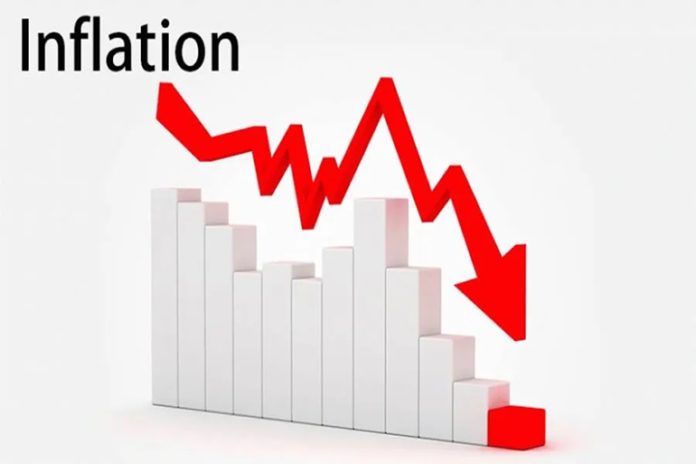
November 18, (THEWILL) — Nigeria’s inflation rate dropped to 16.1% year-on-year in October 2025, marking the seventh consecutive monthly decline, according to data from the National Bureau of Statistics (NBS). This sharp slowdown came in well below economists’ expectations, paving the way for a potentially large reduction in the Central Bank of Nigeria’s (CBN) benchmark rate.
Headline inflation fell from 18.02% in September to 16.1% in October.
The drop was broad-based: Food inflation declined to 13.1%(y/y), from 16.87% in September, helped by softer prices of staples like maize, garri, beans, eggs, and tomatoes.

Core inflation (which strips out volatile food and energy) also slowed, slipping to 18.7% from 19.53% in September. On a month-on-month (MoM) basis, however, headline inflation ticked up: prices rose 0.9% in October, compared to 0.7% in September.
The faster-than-expected disinflation is drawing strong interest from monetary policy watchers, because:
Monetary Policy Room Opens Up – Analysts are now increasingly confident that the CBN has room to cut its Monetary Policy Rate (MPR). A 100 basis-point (bps) cut is projected, bringing the rate down to 26.0%.
Upcoming MPC Meeting – The CBN’s Monetary Policy Committee (MPC) is scheduled to meet on November 24–25, 2025, which is the likely forum for any rate-cut decision.
Supportive Macro Trend – The ongoing harvest season is helping to ease food inflation, as more staples hit the market.
There is relative exchange rate stability, which helps limit imported inflation pressures.
Improved FX liquidity is also underpinning the disinflation trend, according to some analysts.
Despite the good news, several risks could undermine disinflation or complicate a policy easing: Festive Season Demand: Analysts warn that demand could pick up strongly as Nigeria heads into the festive period, potentially heating up prices again.
Fuel Price Pressure: There have been recent adjustments to PMS (petrol) prices due to union strikes, which could feed into higher inflation if sustained.
External Shocks: Global energy price volatility or trade disruptions remain a concern and could reverse some of the disinflation momentum.
Base Effects: Part of the decline may be mechanically driven by statistical base effects, so it’s not clear how much is structural.
Rate Cut Likely: Given the data, many analysts believe a 100 bps cut in MPR is possible, taking it from 27.5% (or 27%) down to around26%.
Economic Stimulus: Lower interest rates could spur borrowing, investment, and consumption, potentially providing a boost to the economy.
Credibility Trade-Off: The CBN will need to balance easing with maintaining credibility on inflation. If cuts are too aggressive and inflation rebounds, it could undermine confidence.
Market Reaction: Financial markets are likely to respond positively to a credible rate cut, with potential gains in bond markets and perhaps support for the naira if foreign inflows continue.
Nigeria’s October inflation report, with inflation at 16.1%, well below forecasts, is a strong signal that disinflation is gaining traction. It gives the Central Bank of Nigeria real policy space to ease interest rates, potentially by 100 bps, meaningfully. But the path is not without risk: rising seasonal demand, fuel price volatility, and global shocks could derail the trajectory. The MPC meeting later this month (Nov 24–25) will be closely watched, with many expecting a bold move toward rate cuts.

Ogochukwu Onwaeze