March 02, (THEWILL) — Nigeria is confronting a double-edged crisis as tensions between the United States and Iran rattle global oil markets.
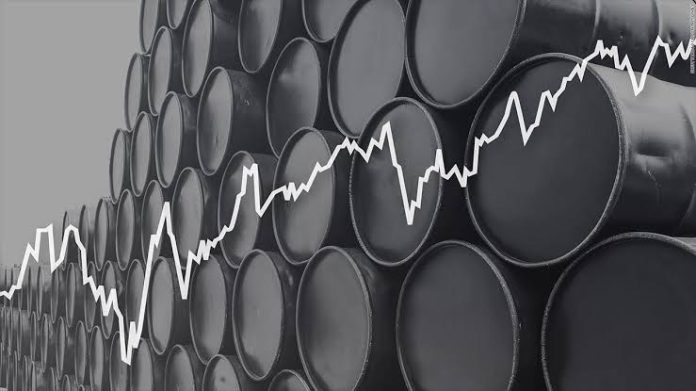
The Fears of disruption around the strategic Strait of Hormuz which handles about 20% of global crude supply have pushed Brent crude prices toward the $80–$90 per barrel range in recent trading.
For Nigeria, which produces roughly 1.3–1.5 million barrels of crude per day and relies on oil for about 70% of government revenue and over 80% of export earnings, the surge offers a potential windfall.
Every $10 rise in oil prices could translate into hundreds of millions of dollars in additional monthly export receipts, strengthening foreign reserves and boosting federal allocations.

But the upside is tempered by domestic realities. Nigeria still imports a significant share of its refined fuel.
With petrol prices deregulated, higher crude prices quickly feed into pump costs, which have already hovered above ₦600 per litre in many cities.
Rising fuel prices drive up transport fares and food costs, compounding inflation that remains above 25%.
The result is a familiar paradox: higher oil prices may swell government coffers, yet they simultaneously deepen cost-of-living pressures for ordinary Nigerians.

Ogochukwu Onwaeze is a writer specializing in business and economic journalism. At THEWILL News Media, she translates market trends, financial developments, and policy shifts into clear and engaging stories.