
July 27, (THEWILL) — On July 21 and 22, retired police officers across Nigeria marched through the streets of Abuja, Benin City, Jalingo and Calabar, braving heavy rain to demand the Nigeria Police Force’s immediate withdrawal from the Contributory Pension Scheme. These former officers, many in their sixties and seventies, carried placards with messages like “Scrap Police Contributory Pension Scheme” and “We Need Our Full Gratuity,” voicing years of frustration over meagre pensions that have left them in poverty after decades of service. Their protests signal not only a financial grievance but a deeper crisis of trust between the state and those who once enforced its laws, raising questions about Nigeria’s commitment to its security personnel and the integrity of its institutions.
The Contributory Pension Scheme, introduced under the Pension Reform Act of 2014, aimed to replace the Defined Benefits Scheme, which had been plagued by corruption, mismanagement and chronic payment delays. The new system required employees to contribute eight percent of their salary and employers 10 percent to individual Retirement Savings Accounts, promising funded, transparent and sustainable pensions. For police officers, however, the scheme has fallen short. Retirees report receiving monthly pensions as low as N14,000 to N40,000, with gratuities sometimes as little as N2.5 million after 35 years of service. These amounts, insufficient to cover basic needs in today’s economy, have driven many into destitution. The protesters also highlighted a disparity: senior officers, including those who have attained the rank of Inspector-General and Assistant Inspector-General, are exempt from the scheme, receiving higher pensions under different arrangements, which fuels perceptions of inequity. These stories underscore a broader sentiment among retirees: that the nation they served has abandoned them in their old age, stripping them of dignity and security.
The protests reflect more than a demand for better pensions; they expose a fracture in Nigeria’s social contract. Police officers, tasked with upholding law and order, often work under dangerous conditions with low pay and limited resources. Their expectation of a dignified retirement is rooted in the sacrifices made during service. Yet, the Contributory Pension Scheme’s failures have left many feeling betrayed. This betrayal extends beyond retirees to serving officers, who, aware of their future under the same scheme, face declining morale. Inspector-General of Police Kayode Egbetokun acknowledged this concern, stating that poor retirement benefits worry active personnel, as they too will retire someday. If those who enforce the law lose faith in the system, the implications for national security are profound, potentially weakening public trust and operational effectiveness.

The retirees’ demand to exit the Contributory Pension Scheme is not new. For over a decade, the Nigeria Police Force has agitated for withdrawal, citing low remittances and inadequate payouts. A 2023 bill to establish a Police Pension Board, which would manage pensions separately, passed the National Assembly but was vetoed by then-President Muhammadu Buhari, highlighting the issue’s complexity. Exiting the scheme requires legislative amendments, inter-agency coordination and significant funding, challenges that lie beyond the Inspector-General’s authority. Egbetokun has noted that progress has been stalled by legal provisions, fiscal constraints and administrative bottlenecks. The National Pension Commission, which oversees the scheme, defends its sustainability, pointing to a June 2025 pension increase as evidence of flexibility. However, critics argue that these adjustments remain insufficient for low-ranking officers, who form most retirees.
The financial scale of the problem is daunting. Retirees have called for the payment of a N758 billion pension shortfall owed security agencies, unpaid since June 2025. Addressing this would strain Nigeria’s budget, already stretched by competing demands. Reverting to the Defined Benefits Scheme, as some protesters advocate, poses further risks. That system’s history of non-payments and mismanagement prompted the shift to the Contributory Pension Scheme in the first place. The root issue lies not in the scheme itself but in police officers’ low salaries and stagnant promotions. Pensions are calculated based on contributions tied to salaries, so poor pay and limited career progression result in low payouts. Reviewing police salaries and welfare would address the problem more effectively than abandoning the scheme.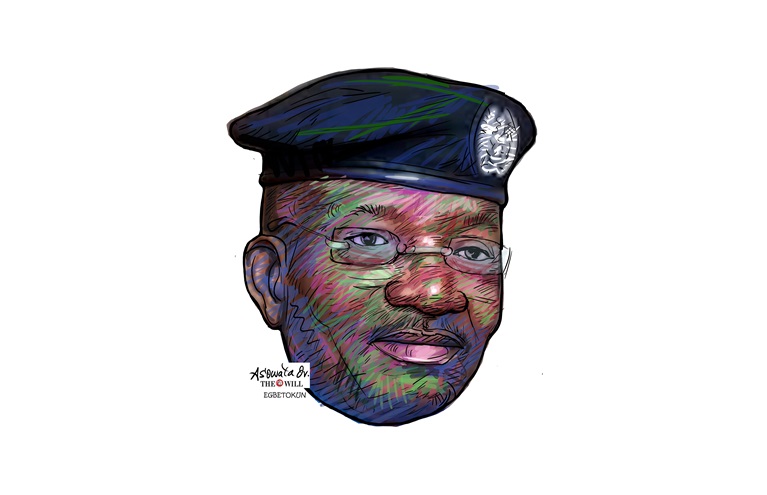
The protests also carry broader societal implications. In Abuja, activists like Omoyele Sowore joined the retirees, amplifying their demands and drawing attention to systemic governance failures. The Nigeria Police Force expressed concern that such involvement risks politicising a legitimate grievance, potentially inciting public distrust. While the protests remained peaceful, with police providing security and directing traffic, the presence of activists underscores a growing public frustration with unmet promises. The retirees’ vote of no confidence on the Inspector-General reflects not only dissatisfaction with pensions but also a deeper disillusionment with the leadership’s inability to deliver justice.
What does justice look like for those who once upheld it? For retirees, it begins with financial redress: higher pensions, full gratuities, and clearance of the N758bn shortfall. Short-term measures, such as increasing the government’s contribution to Retirement Savings Accounts from 10 to 20 percent, could boost payouts without dismantling the scheme. Egbetokun has proposed such alternatives, alongside exploring supplementary pension benefits using police-generated revenue. Long-term, a Police Pension Board could tailor pensions to the force’s unique needs, similar to the military’s Defined Benefits Scheme. The 2023 bill’s revival, with expedited legislative action, offers a path forward, provided it addresses fiscal and legal hurdles.
Beyond money, justice for retirees requires restoring dignity. Retirees like Chief Superintendent of Police Manir Lawal, who at 67 declared his readiness to die for the cause, seek acknowledgment of their service. Public discourse must shift from viewing their protests as a nuisance to recognising them as a call for accountability. The government, National Assembly and pension authorities must engage retirees directly, avoiding promises that go unfulfilled. Failure to act risks further eroding trust, not only among police but across society, where other groups, like federal civil servants awaiting wage arrears, echo similar grievances.
The July 2025 protests mark a turning point. When elderly retirees march in the rain, defying physical frailty to demand their rights, it is a signal that Nigeria’s institutions are failing. The Contributory Pension Scheme’s shortcomings, the unpaid pension shortfall and the state’s inaction reflect a system that has neglected its protectors. If Nigeria cannot honour those who served its security, it undermines its moral foundation. The nation must respond not with rhetoric but with reforms that ensure no retiree is left behind.