
-
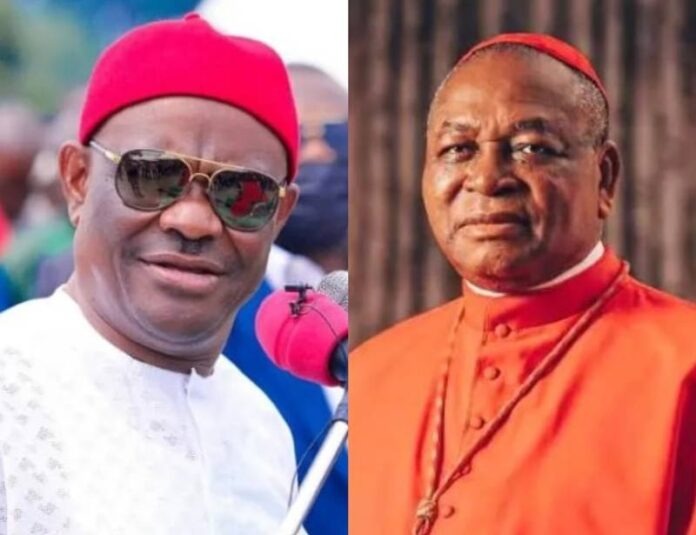
FCT Minister Nyesom Wike challenges Cardinal John Onaiyekan’s neutrality, alleging that the Catholic cleric’s position during the 2023 presidential election was known to Nigerians.
-
Wike faults repeated criticism of the Tinubu administration without acknowledgement of achievements, warning that such interventions could be interpreted as politically motivated.
-
Cardinal Onaiyekan rejects claims of partisanship, insisting that Catholic bishops spoke from a moral responsibility to Nigerians and not from any political interest.
-
The Cardinal says bishops are waiting for government action, insisting their concerns on insecurity, economic hardship, youth unemployment and governance were presented in good faith.
August 4, (THEWILL) — The Federal Capital Territory (FCT) minister, Nyesom Wike, has launched a fresh challenge against Archbishop Emeritus of the Catholic Archdiocese of Abuja, Cardinal John Onaiyekan, questioning his neutrality following the cleric’s criticism of the state of the nation after the Catholic Bishops’ Conference of Nigeria (CBCN) met with President Bola Tinubu.
Wike, during his media parley on Tuesday, alleged that the Cardinal’s political leaning during the 2023 general election was known to Nigerians, arguing that public interventions by religious leaders must be assessed within the context of their previous positions.
The minister’s comments came amid a growing controversy over the bishops’ July 28, 2026 meeting with President Tinubu at the Presidential Villa, Abuja, where they raised concerns about Nigeria’s economic hardship, insecurity, democratic stability and other national challenges.

Following the meeting, Cardinal Onaiyekan, who was part of the delegation, granted an interview in which he said those around the President might be presenting a “rosy picture” of the country, adding that the President’s response suggested he might not be receiving a complete picture of the realities facing Nigerians.
The comments triggered a reaction from the Presidency, which accused the Cardinal of abusing the privilege of a private meeting by publicly discussing details of the engagement.
Wike: ‘We Know Who Supported Who in 2023’
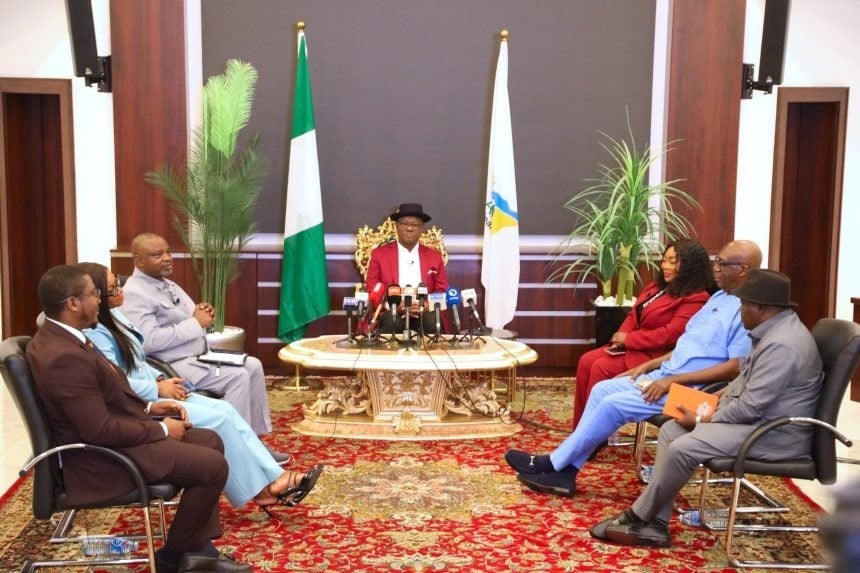
Reacting to the controversy, Wike argued that religious leaders must demonstrate fairness by acknowledging government achievements alongside criticism.
According to him, constant criticism without recognition of positive developments could create doubts about the neutrality of such interventions.
“If a religious leader is perceived or seen to be taking a side, which is very clear, it is very difficult for people to begin to see those comments as being helpful. I am aware of the position of Cardinal Onaiyekan; all of us know, it’s not hidden, whom he supports; everybody knows that,” Wike said.
The FCT minister insisted that while criticism of government remained part of democratic practice, leaders must also recognise areas where progress had been recorded.
“It’s not every time you say things are bad; nobody has heard you say government has done this well. The point I am trying to make is that, as a leader, commend government when government has done well in certain areas; criticise government and say, look, you have done this well, but you should improve in these other areas,” he said.
Wike added that when respected personalities consistently highlight only negative aspects of government, it could lead to perceptions that their comments were influenced by political considerations
When asked about the argument that the bishops’ intervention was not partisan, Wike disagreed, insisting that some religious leaders openly aligned with political interests during the 2023 presidential election.
“Don’t tell me they’re not partisan. You know what happened in the 2023 election. People took sides, religious leaders took sides, it was very open,” he said.
The minister said Nigerians were aware of the positions taken by various influential figures during the election.
“I would be stupid to sit here for anybody to tell me this person is impartial. No. We know ourselves in this country; we know who belongs to where. Who did they support in 2023? It was very obvious,” Wike added.
Onaiyekan Rejects Political Label
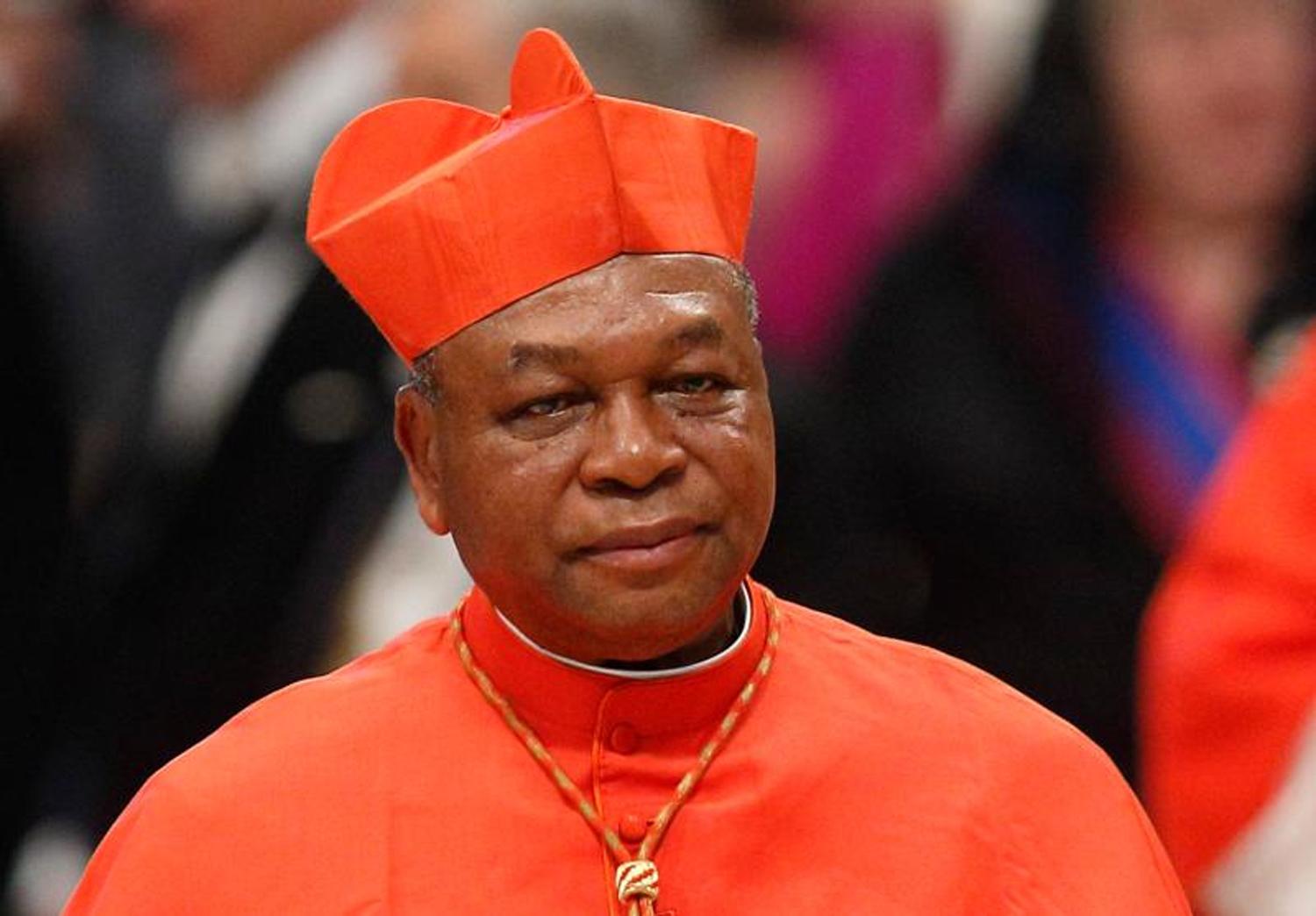 However, Cardinal Onaiyekan has dismissed suggestions that the bishops’ intervention was politically motivated, maintaining that the Catholic Church acted out of concern for the welfare of Nigerians.
Speaking during an interview with Frontline, a current affairs programme on Eagle 102.5 FM, Ilese-Ijebu, Ogun State, the Cardinal declined to engage in a public exchange with government spokespersons over the matter.
He said the bishops had already delivered their message to President Tinubu and were now waiting to see whether their concerns would influence government decisions.
“I would not even answer that question. We have no response for them. We have spoken and the only response we are waiting for is whether it is affecting the way they are governing,” Onaiyekan said.
He dismissed reactions from government supporters and spokespersons, saying such responses were not his concern.
“That some of the supporters of government and the state and spokesperson may have their own idea about what they think they should be saying on behalf of their principal, is their business, not mine.
“As for response to the things we are hearing, I don’t even have to say anything because the social media is full of response from Nigerian people and that for me is more than enough,” hee said said.
Explaining the purpose of the bishops’ visit to the State House, Onaiyekan said the engagement was not designed to promote Catholic interests or advance any political agenda.
He said the bishops requested the meeting months earlier to present their concerns about governance and the welfare of Nigerians.
“The Bishops visited President Tinubu last week and we requested for audience. It took some months before we were granted the audience and we prepared to see him.
“The main reason we wanted to see him was not to go on an evangelical mission. We didn’t go there to preach to him and try to see whether we could convert him to our Catholic Church, but we went there to share our views and thoughts about the government which he heads, hoping that our ideas will be taken into consideration,” he explained.
The Cardinal expressed hope that the dialogue between government and religious leaders would continue beyond the meeting.
“We are hoping that our meeting with the President or our dialogue with the government of Nigeria did not end with that visit,” he said.
He added that further engagement would allow the bishops to provide more detailed information on their concerns.
Onaiyekan maintained that the bishops’ intervention was a collective decision and not a personal political statement.
“I have told you already that I am not even prepared to start engaging anybody. Don’t forget that I was not defending my thesis.
“The document was prepared by the bishops of Nigeria, and we are a big number, and it was passed unanimously. We don’t have any political ambitions for anything. Even our church does not even allow us to get engaged in party politics. So, even if I wanted to be a presidential candidate, I can’t be,” he said.
Onaiyekan also defended the bishops’ concerns about Nigeria’s economy, arguing that government performance should ultimately be measured by the quality of life of citizens rather than economic statistics alone.
“If we admit that the role of government is the welfare of citizens, then it means we are not going to judge the success of our government on the basis of the statistics from GDP, from the World Bank, or whatever. The important thing is, how is the life of the Nigerian?” he asked.
The Cardinal identified youth unemployment as one of the country’s biggest challenges, warning that many graduates were struggling to build meaningful lives despite completing their education.
“The terrible thing now is many of our young people that have struggled to finish university are all going around with their degrees. They are unable to get a job. Therefore, they can’t even think of marriage. They can’t think of starting a family. They can’t think of planning their life. That is terrible,” he said.
He called for stronger political will, fairness and accountability in governance.
“The only thing it takes is a political will to do the right thing, to be honest in how government is run, to be just to everybody, to be fair in this,” he stated.
Onaiyekan also appealed for greater cooperation among Christian and Muslim leaders in engaging government on issues affecting Nigerians.
“It would be wonderful if we could organise a meeting with Mr President and all the religious leaders in Nigeria, talking together,” he said.
Felix Ifijeh is a journalist with years of professional reporting experience. Known for his keen news sense, compelling storytelling and commitment to accurate, impactful reporting, he has built a reputation for turning leads into clear, engaging, and well-structured reports that resonate with readers. His work reflects deep newsroom experience and a commitment to accurate, impactful journalism.
