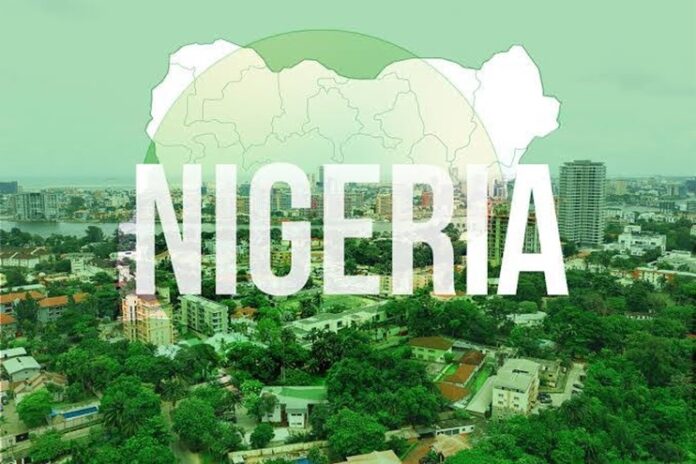
November 14, (THEWILL) — It is heartbreaking to witness how deeply divided Nigerians have become along ethnic, regional, tribal, and religious lines, especially on social media. What was once a space for connection and idea exchange has increasingly transformed into a battlefield of hate, bias, and intolerance. This polarization is deeply alarming, prompting the question: how did we arrive here as a people?
Many of these divisions have roots in years of indoctrination—whether from local influences, places of worship, or manipulative political narratives. The result is a generation conditioned to see each other not as compatriots, but as rivals, separated by faith, language, and geography.
The current level of social disintegration is unprecedented in Nigeria’s history. Those of us who grew up in the 1980s and 1990s recall a time when, despite differences, a collective sense of pride and love for the country prevailed. Patriotism was not just a word; it was a way of life. We respected one another, valued diversity, and saw unity as our greatest strength.

Today, however, the landscape has shifted. On social media, even an honest or factual statement can provoke attacks—not on its merit, but on the basis of one’s name, religion, or region of origin. Opinions are no longer judged by logic or truth, but by tribal and sectarian affiliations. This toxic cycle erodes the social fabric and distracts us from the real issues demanding our collective attention.
The late Chukwuemeka Odumegwu Ojukwu once observed in Because I’m Involved: “The problem of Nigeria as a nation is that we are not united nor diverse; rather, we are in limbo.” That timeless statement captures the tragic reality of our current situation. Even in moments of external aggression or national tragedy, instead of standing together, some wish harm on other regions or celebrate the misfortunes of fellow Nigerians. This is not the nation we are meant to be.
What we need now, more than ever, is genuine unity, built on mutual respect, understanding, and love for one another and for our country. Our diversity should be a source of strength, not a weapon of division.
The government must also take deliberate action toward true governance, not empty rhetoric. Much of today’s disunity stems from ignorance, poverty, and failed leadership. When citizens are educated, empowered, and provided with basic social amenities, they become less vulnerable to manipulation by divisive forces.
We must prioritize education, equity, and justice. The government should lead with honour, transparency, and empathy. A united Nigeria is still possible, if we commit to rebuilding trust, healing wounds, and placing love for the country above all else.
Iliyasu Haruna Bala writes from Jabi, Abuja.