
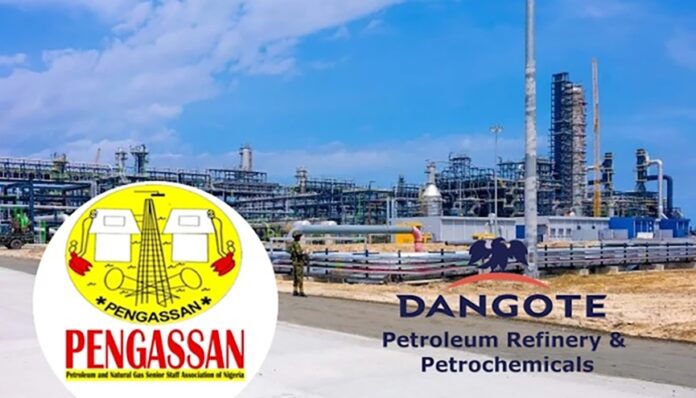
October 01, (THEWILL) — The challenges in Nigeria’s oil and gas sector have remained stubbornly intractable for over four decades. Despite repeated government interventions and proposed solutions, progress has been largely cosmetic—motion without real movement. Since the Abacha era, fuel price hikes have become routine, and even with the removal of subsidy under this administration, the light at the end of the tunnel is still elusive.
This reality has placed additional burdens on Nigerian families as the prices of essential goods continue to soar. Although the administration of late President Muhammadu Buhari invested heavily in the Warri and Port Harcourt refineries with promises of revival, neither ever lived up to expectation. That effort, continued under the present government, collapsed woefully, with the Nigerian National Petroleum Company Limited (NNPCL) consistently missing its own deadlines.
Security agencies probing NNPCL’s account books have already traced monumental sleaze to top management staff. While state-owned refineries degenerated into scraps and conduits for enriching a select group of contractors and government insiders, the Dangote Refinery emerged as a national lifeline.

Many Nigerians had long known how corrupt the oil and gas sector was, but few grasped the depth of bondage until the arrival of Dangote’s 650,000-barrel-per-day refinery. Since its commissioning, palpable fear has gripped those who had been feeding fat on the system. Their concern is that the refinery will expose entrenched fault lines and long-standing corrupt practices in the midstream and downstream sectors.
The actions and pronouncements of depot marketers, government agencies, and officials have reinforced this fear, with controversies springing up almost weekly in a coordinated effort to undermine the refinery. After the Nigerian Mid and Downstream Petroleum Regulatory Authority (NMDPRA) alleged that Dangote’s fuel was substandard, Nigerians swiftly countered with viral videos comparing NNPCL’s fuel and Dangote’s. The outcome clearly exposed the smear campaign, showing that NNPCL fuel burned out faster in generators.
The latest move to clip Dangote’s wings has come through labour unions, which challenged the refinery’s direct supply of fuel to filling stations and accused it of resisting unionisation of its workforce. Sadly, unions in the oil and gas sector have become complacent, self-serving, and a stumbling block to real growth. When fuel subsidy was removed and Nigerians faced dire economic consequences, the unions did little to negotiate living wages or welfare packages. And now, even with Dangote’s abundant fuel supply, NUPENG tankers refused to lift products, forcing the refinery to export to other African markets.
Unwilling to fold his arms while saboteurs undermine his $19bn investment, Dangote responded by deploying 4,000 Compressed Natural Gas (CNG)-powered trucks to distribute fuel directly to marketers. This bold logistic strategy aimed to cut distribution costs, save Nigerians over N1.7trn, support 42m MSMEs, create 15,000 jobs, reduce carbon emissions, and expand access to cleaner energy. A nationwide network of CNG stations was also proposed.
But the audacity of this project unsettled the unions and their backers, sparking accusations and counter-accusations. The crisis escalated when the refinery laid off over 2,000 workers for joining the National Union of Petroleum and Natural Gas Workers (NUPENG). In solidarity, PENGASSAN halted crude supply to the refinery. The standoff now threatens to derail what many hoped would finally end Nigeria’s dependence on imported fuel.
For Dangote, what initially looked like a patriotic intervention to solve scarcity and distribution woes has turned into a national nightmare. The refinery is caught in the crossfire of vested interests determined to frustrate its operations. Those behind the subsidy racket see the refinery as a direct threat to their “free lunch.” But they must be reminded that national interest cannot continue to be sacrificed on the altar of greed. The international community is watching, and this orchestrated sabotage of a local investor sends the wrong signal.
Nigerians are beginning to notice the brazen audacity of labour unions that, under the guise of unionism, obstruct genuine investment while colluding with powerful interests. Despite the billions collected in dues, NUPENG and PENGASSAN never thought of building their own refinery or transitioning to CNG-powered trucks in line with global standards. Their opposition to Dangote stems only from fear of losing their exploitative grip.
Ultimately, while these unions may continue their campaigns to discredit Dangote Refinery, the core issue remains one of self-preservation at the expense of the public good. Dangote’s steady stance in the face of provocation is noteworthy. If the unions do not wish to buy from him, they should build their own refinery. The market is already deregulated. Still, urgent resolution of this standoff is critical, as prolonged tension risks sparking wider industrial unrest with grave consequences for the nation.
*** written by Sunday Onyemaechi Eze
Lecturer, Department of Mass Communication,
Head, Internationalisation and Partnership,
Coal City University, Enugu

Felix Ifijeh is a journalist with years of professional reporting experience. Known for his keen news sense, compelling storytelling and commitment to accurate, impactful reporting, he has built a reputation for turning leads into clear, engaging, and well-structured reports that resonate with readers. His work reflects deep newsroom experience and a commitment to accurate, impactful journalism.
