Asiwaju Bola Tinubu’s inauguration as President of Nigeria marked a turning point for the nation, promising progress, security reform and commitment to national unity. Since assuming office, he has taken significant steps, particularly in the country’s security leadership, by retiring key officials and appointing new service chiefs. These actions have evoked diverse reactions from political figures and the general public, with positive tones, with regard to his perceived nature as an action-oriented planner and strategist. Yet, there remains a sore point that is of extreme importance for the country’s unity, which pertains to the need for healing. I will discuss this later in this article.
President Tinubu’s decision to reshuffle the security leadership in Nigeria is a customary practice for new presidents. However, the recent appointments have been one of the fastest on record for a new president. His proactive approach was evident in his swift request to the Ninth National Assembly to approve his appointment of 20 special advisers, even before the 10th National Assembly’s inauguration. This demonstrates his preparedness and determination to tackle Nigeria’s challenges head-on.
Nigeria, being a multi-ethnic society with over 500 ethnic groups, has faced challenges stemming from historical power struggles and perceived or actual marginalisation among different regions. The Igbo in the South-East, Yoruba in the South-West and Hausa/Fulani in the North are the major ethnic groups that were merged into one country during British colonial rule. To address these concerns and promote inclusivity, Nigeria’s constitution enshrined the “federal character principle,” ensuring that public institutions reflect the linguistic, ethnic, religious, and geographic diversity of the nation.

In President Tinubu’s inaugural speech, he emphasised the need for security reform and highlighted the importance of unity in Nigeria. The country has faced significant security challenges, including attacks by jihadist groups and criminal gangs, resulting in loss of lives and destruction of property.
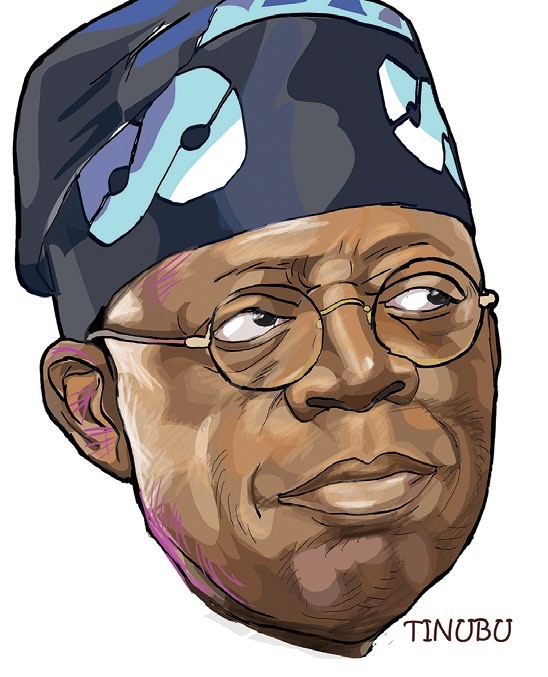
Previous calls for secession were often fueled by perceived imbalances and nepotism in appointments, heightening the urgency for national unity. Tinubu’s commitment to security and national cohesion is evident in his actions and his promises to invest in security personnel, training, equipment, and firepower.
One of the President’s early actions was ordering the Department of State Services (DSS) to end its siege on the Ikoyi-Lagos office of the Economic and Financial Crimes Commission (EFCC). This decisive action sheds light on the long-standing issue of inter-agency rivalry which has hindered the government’s efficiency in the past.
I also find it disturbing that the DSS continues to hold the suspended Chairman of the EFCC, Abdulrasheed Bawa, without charging him to court and neither has the public been told why he is being detained. I find this quite disturbing, especially when we are operating a democracy. These were the kinds of excesses we all fought against during the military era. It should not be allowed to fester in a democratic era. President Tinubu must not encourage this at all as it is indefensible.
The president’s decision to immediately abolish the petrol subsidy scam, which has cost the nation billions of dollars, is a pivotal and significant move. This move showcases his determination to tackle longstanding issues that have drained Nigeria’s resources. Fuel subsidies have been a long-standing issue in Nigeria, with the government providing financial assistance to keep fuel prices artificially low. However, these subsidies have placed a significant burden on the country’s finances, costing billions of dollars annually. The funds allocated for fuel subsidy could be better utilised in critical sectors, such as healthcare, education, and job creation.
By removing fuel subsidy, President Tinubu must redirect these funds towards areas that have a more direct impact on the welfare and development of Nigerian citizens. This decision aligns with his vision to boost manufacturing, improve electricity access and affordability, and invest in transportation infrastructure. However, the removal of fuel subsidy has expectedly resulted in an increase in fuel prices, which has caused public backlash and concerns over the rising cost of living.
This situation initially led to threats of strikes and protests from labour unions and sparked a broader discussion about the government’s responsibility to mitigate the impact of these changes on the most vulnerable segments of society.
While the decision to eliminate fuel subsidies may initially cause hardships for some Nigerians, it is a necessary step towards achieving long-term economic stability.
President Tinubu’s government must implement measures to mitigate the immediate effects on the population, such as targeted social welfare programmes and investment in alternative energy sources. These actions will help alleviate the burden on citizens and ensure a more equitable distribution of resources.
In addition to that, Tinubu’s plan to boost manufacturing, improve electricity access, simplify exchange-rate policies and invest in transportation infrastructure holds promise for Nigeria’s economic growth. These measures, combined with redirecting funds from fuel subsidies to critical sectors, such as healthcare, education and job creation, indicate a commitment to addressing the root causes of poverty and unemployment. It is crucial to ensure that these reforms translate into tangible benefits for all Nigerians.
While President Tinubu’s actions have received applause from many Nigerians, it is important to address concerns regarding the rise in transport costs and the potential impact on the population’s well-being.
Also, concerns persist, with regard to the actions of some of Tinubu’s supporters, both online and offline. Reports of targeted demolitions against the Igbo community in Alaba raise valid questions about the need for immediate intervention and reconciliation.
While the President is acknowledged as a detribalised leader and a nationalist, it is essential for him to address the actions of his hawks and ensure that divisive actions or rhetoric are promptly halted. Nigeria is in dire need of healing and unity, particularly as the campaign period has concluded, and the nation looks to its leadership for guidance.
Tinubu’s influential position as President of Nigeria gives him the responsibility to call his henchmen and goons to order. Discrimination, including the maligning of the Igbo community, must be unequivocally condemned.
Looking at the result of the 2019 and 2023 general election, the voting pattern in areas dominated by the Igbos in Lagos State show their preference and bias for the Peoples Democratic Party (PDP) and the Labour Party (LP). This has not gone down well with the leadership and supporters of the ruling All Progressives Congress (APC) in the state.
Last week, someone posted a video in a Whatsapp group that I belong to. It showed former President Shehu Shagari addressing a crowd in Lagos during a campaign stomp. He talked about the uniqueness of Lagos and how Nigeria’s commercial capital is home to many ethnic groups and urged supporters to come out and vote for his then party, the National Party of Nigeria (NPN), which was the dominant national party at that time but was struggling in Lagos and the South-West, which was under the control of the Chief Obafemi Awolowo-led Unity Party of Nigeria (UPN). This is how democracy works. People should be allowed to vote freely where they reside and work.
The last general election in Lagos was fought along ethnic lines in some parts of the state, no doubt. Some friends of mine who are Yoruba argue that other tribes should stay out of the politics of the state. They say they are trying to muscle political power away from the Yorubas, which they consider an affront and will do everything to defend it.
Some influential persons and top government officials in the state have also openly spoken about this as well and vowed to even drive the agenda by introducing new state policies that will defend the Yoruba political interest.
I find this decision quite extreme and unnecessary for the wellbeing of the state which has shown remarkable economic prosperity because of its diversity. This is why I want President Tinubu to openly speak on this issue and calm nerves, considering that he has said severally that he will be president of all Nigerians, irrespective of tribe or whether they voted for him or not.
President Tinubu must take a proactive stance against these actions and work diligently towards national reconciliation and progress.
I must restate that I like the pace and energy that Tinubu is starting his government with. Even his critics will admit this. This is good for Nigeria and investments.
The appointment of new service chiefs and actions taken so far by the President reflect the country’s diversity and upholds the constitutional provisions for federal character. The inclusivity of these appointments has earned support and commendation from various political figures across the country.
However, the journey towards national unity and healing requires more than diverse leadership. President Tinubu must actively address the actions of his supporters, both online and offline, and work towards fostering reconciliation and harmony among all ethnic groups in Nigeria.
As the present administration progresses, it is imperative to maintain focus on inclusivity, fairness and justice. By addressing the concerns raised and actively working towards national reconciliation, Tinubu can lay a strong foundation for a united and prosperous Nigeria. The nation’s progress hinges not only on security reform but also on the ability to heal divisions and foster a sense of unity among its diverse population.
President Tinubu’s first three weeks in office have showcased his determination and readiness to lead Nigeria towards progress. His proactive approach in addressing inter-agency rivalry, combating corruption, abolishing fuel subsidies, and implementing economic reforms demonstrates his commitment to transparency, accountability and revitalising the economy.
However, to achieve sustainable progress, Tinubu must prioritise national unity, heal the wounds of past divisions, and ensure the well-being of all Nigerian citizens.
By fostering a sense of cohesion and addressing any harmful activities perpetrated by his supporters, the President can effectively lead the nation towards unity, healing and inclusive progress.