The Nigerian judiciary has been plagued by controversies, dishonour, bullying, mockery, intimidation, and outright disregard, which have severely eroded its image and reputation in recent years. This erosion of public confidence is concerning, as the judiciary is traditionally seen as the last hope for the common man seeking justice.
Two recent political events have further highlighted the compromised state of the Nigerian judiciary: the recent confession made by Senator Adamu Bulkachuwa during the valedictory session of the Ninth Senate is one. His admission that he influenced his wife, Zainab Bulkachuwa, during her tenure as the President of the Court of Appeal has raised serious concerns about the integrity and independence of the judiciary. Also, the Democracy Day statement of President Bola Tinubu is another worrying case to consider. These revelations and statements have raised serious concerns about the independence and integrity of the judiciary, necessitating urgent judicial reforms.
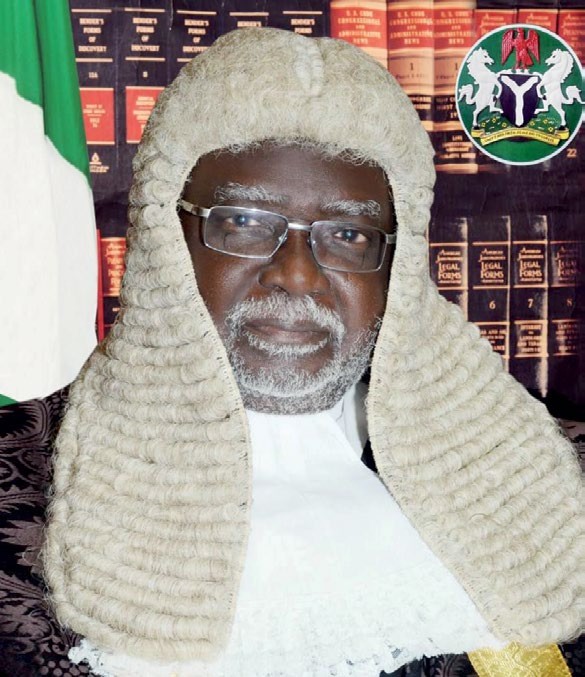
During that valedictory session of the Ninth Senate, Senator Bulkachuwa, representing Bauchi North Senatorial District, made the startling confession regarding the infringement on the freedom and independence of his wife, Justice Zainab Bulkachuwa, during her tenure as a judge and President of the Court of Appeal.

He admitted to using his influence to favour his colleagues through his wife’s position. In the viral video, apparently unhinged by the occasion, the senator said: “My wife, whose freedom and independence I encroached upon while (she) was in office, has been very tolerant and she accepted my encroachment and extended her help to my colleagues.” It was a revelation that has not only drawn widespread condemnation but also exposed the extent of compromised judicial independence within the Nigerian judiciary.
This revelation suggests that some judges may have been influenced by their relationships with politically powerful individuals, compromising the impartiality of their judgments. Senate President Ahmad Lawan’s immediate reaction to Bulkachuwa’s comments underscores the gravity of the situation. Just before the own-goal of the senator’s unforced revelation, on June 12 Democracy Day, President Bola Tinubu made a statement that was perceived by the opposition as a veiled threat to the judiciary. He declared that unnecessary illegal orders used to truncate or abridge democracy would no longer be tolerated. This statement was criticised as an encroachment into the duties of the judicial arm of government and further heightened concerns about judicial independence and interference from the executive.
The revelation made by Senator Bulkachuwa and President Tinubu’s statements create a trying period for the judiciary. They contribute to a growing perception of judicial intimidation and interference from the legislative and executive arms of government. Such perceptions undermine the integrity and independence of the judiciary, leading to a lack of accountability, impunity, a breakdown of social order, and a decline in respect for the rule of law.
Bulkachuwa’s confession raises disturbing questions and the need for integrity in the judicial system, particularly regarding election-related cases, calls for an immediate reform of the judicial system.
As the President of the Court of Appeal, Zainab Bulkachuwa had significant influence over electoral cases, including the 2023 presidential election. Furthermore, President Tinubu’s suspension of the Chairman of the Economic and Financial Crimes Commission (EFCC), Abdulrasheed Bawa, due to serious allegations of abuse of office, highlights the prevalent corruption within the political and judicial spheres.
Bulkachuwa’s statement has been in the public domain for an extended period without censure from any of the regulatory bodies, to the consternation of those in the media and the observant public. It was as though they were stunned to silence and it carried the suspicion of collusion. However, after shrugging off their lethargic shock, prominent individuals and organisations, including former NBA president Olisa Agbakoba, who regarded Bulkachuwa’s revelation as a stain on Nigeria’s judiciary, labeled it a “monumental disgrace”.
The Coalition for Protection of Democracy came out in force to condemn Senator Bulkachuwa’s actions and called for immediate investigation. The Nigerian Bar Association (NBA) expressed shock and dismay at Senator Bulkachuwa’s confession, calling for a thorough investigation and prosecution. NBA President Yakubu Maikyau stated that Bulkachuwa’s admission of influencing his wife’s decisions indicated an attempt to pervert the course of justice and interfere with the due administration of justice. The NBA lodged a complaint with the National Judicial Council (NJC) and emphasised the assault on the integrity of the judiciary. The NJC, during their meeting, condemned Bulkachuwa’s actions and called for an investigation into the matter.
However, the NJC has been hesitant to take action, citing the retired status of Zainab Bulkachuwa, a response that has been criticised by legal experts and the public. The NJC, as the regulatory body responsible for judicial discipline in Nigeria, faces the critical task of investigating the allegations against Justice Bulkachuwa and other judges involved in controversies.
It is crucial for the NJC to fulfill its responsibilities by monitoring the activities of judges, scrutinising judgments and ensuring transparency, accountability, and independence within the judiciary. Fortunately, in a redeeming stance, the NBA President Maikyau called for the Inspector General of Police (IGP) and the Chairman of the ICPC to interrogate and prosecute Senator Bulkachuwa.
Justice Zainab Bulkachuwa, a highly esteemed jurist, had a distinguished legal career until her retirement and the fanfare that followed. She retired from the Court of Appeal in 2020, before which she held significant power and influence over electoral cases as the President of the Court of Appeal. She was responsible for constituting tribunals and courts handling election petitions arising from the 2019 general elections, including the presidential election. She also had the authority to form panels within the Court of Appeal to handle appeals against decisions of election petition tribunals in governorship, state House of Assembly, and National Assembly elections. Her tenure has now been marred by allegations of compromised independence and favouritism.
If I were a party to any case that appeared before Justice Bulkachuwa and she ruled against me, I would request a review of her judgement as there is enough actionable circumstance to argue that her judgement was tainted by the influence from her husband, friend or family. A thorough investigation into her conduct is necessary to determine the veracity of the claims made by her husband and to address the concerns surrounding her tenure.
Given, therefore, the revelations made by Senator Bulkachuwa, I am joining the call from the NBA for an urgent and comprehensive judicial review of all cases handled by Justice Zainab Bulkachuwa during her tenure. This review should be conducted by an independent body to ascertain the fairness, impartiality, and integrity of her judgments, particularly those involving political disputes and election matters. It is essential to restore public confidence in the judiciary and ensure that justice is served impartially.
The compromised state of the Nigerian judiciary, as evidenced by Senator Bulkachuwa’s revelation and President Tinubu’s statement, demands immediate and comprehensive judicial reforms. Restoring public trust, promoting accountability, and upholding judicial integrity are crucial steps towards ensuring an independent judiciary that can effectively serve as the guardian of justice and the rule of law in Nigeria.
Judicial reforms should encompass independent inquiries, comprehensive judicial reviews, merit-based selection of judges, and strengthened oversight by the National Judicial Council. These reforms will go a long way in restoring public confidence, promoting transparenc, and upholding the principles of justice in Nigeria. Failure to address these issues urgently could lead to further erosion of public trust and a continued decline in the credibility of the Nigerian judiciary and of course democracy.
The Bulkachuwa revelation only unveils what those who have been following legal disputes in Nigeria know of the judicial system and the rottenness of the practices therein. Corruption compromises the impartiality and fairness of court cases.
When judges, lawyers, or court officials accept bribes or engage in unethical practices, the outcome of a case can be influenced in favour of those with money or connections, rather than being based on the merits of the case. This erodes public trust in the judiciary and undermines the rule of law. Corruption often leads to unnecessary delays in court proceedings.
Bribery and extortion can result in cases being adjourned repeatedly or languishing in the system without progress. This not only denies justice to the parties involved but also creates a fertile ground for corruption to thrive further.
Furthermore, corruption disproportionately affects marginalised and disadvantaged individuals who lack the financial resources or connections to navigate the corrupt judicial system. In many cases, the poor are unable to access justice due to the high costs associated with bribes or legal representation. This perpetuates inequality and denies equal protection under the law.
The prevalence of corruption in the judiciary damages public perception and trust in the legal system. When citizens perceive the courts as corrupt and biased, they are less likely to have confidence in the system and may resort to alternative means to resolve disputes, such as vigilantism or informal arbitration.
Overall, addressing corruption in the judiciary is vital for upholding the rule of law, ensuring equal access to justice, and maintaining public trust. Justice Bulkachuwa is not alone, by any means. There are other Bulkachuwas in the system that need to be exposed and purged from our courts.
By implementing comprehensive reforms, Nigeria can strengthen its judiciary and work towards a more transparent, efficient, and fair legal system. This is extremely necessary because a just system allows everything else to thrive. If we want investors to have confidence in our economy and invest, they will have to be sure that a fair system operates should there be need for justice and fairness in any legal proceedings. Even for the security of the country, which President Tinubu is championing, a fair and just legal system is necessary. It affects everything and we cannot make progress until these reforms are carried out to their justified end.