June 7 (THEWILL) — South African President Cyril Ramaphosa has announced a sweeping crackdown on illegal migration, unveiling tougher border security measures and stricter immigration enforcement amid growing anti-foreigner tensions and protests in parts of the country.
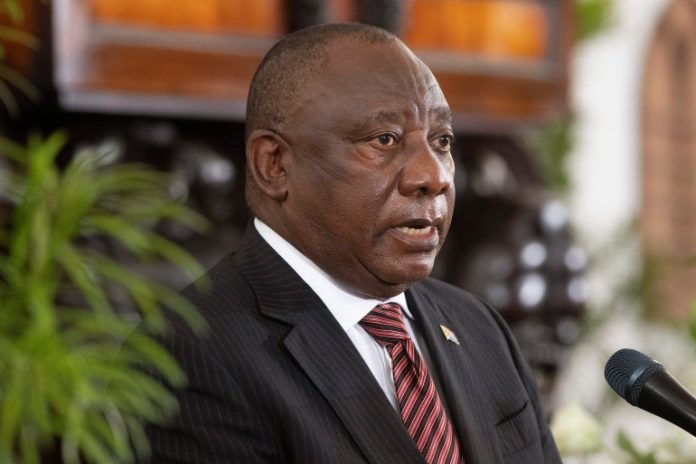
Speaking in a national address on Sunday, June 7, Ramaphosa declared a firm stance on illegal migration, insisting that South Africa would no longer tolerate undocumented migration while warning against violence and unlawful actions targeting foreign nationals.
The address comes at a time of heightened tensions following a series of protests and reported attacks against foreign nationals living in South Africa.

Some groups have accused undocumented migrants of taking jobs and placing additional pressure on already strained public resources.
Some campaign groups have also reportedly issued a June 30, 2026 deadline demanding that undocumented migrants leave the country.
Responding to criticism that South Africa has become increasingly hostile toward foreign nationals, Ramaphosa dismissed claims that South Africans are inherently xenophobic.
“South Africa is not xenophobic. South Africans are not xenophobic and we are not racist,” he said, warning against allowing social media campaigns or organised groups to exploit public frustrations and encourage unlawful actions.
Declaring his government’s intention to tackle the issue aggressively, Ramaphosa said South Africa possessed both the legal authority and institutional capacity to deal with illegal migration.
“We must end illegal migration; we must deal with the challenges. We reject the notion that we must tolerate illegal migration. We can enforce our laws, secure our communities, and overcome the problem of illegal migration,” the President said.
Despite his hardline message on border control and immigration enforcement, Ramaphosa urged citizens not to direct anger toward foreigners.
“We must not turn against foreign nationals and against each other. We must overcome these challenges through peace and love, not through fear, anger, or violence,” he said.
Ramaphosa also rejected claims that migration was responsible for South Africa’s economic difficulties.
While acknowledging that millions of South Africans continue to struggle with poverty and unemployment, he insisted that broader structural issues remained responsible for many of the country’s challenges.
“We know that migration is a global issue affecting many countries around the world.
“Our country, like many others throughout history, is itself a product of migration. Yet we must recognise that illegal immigration is not the cause of all our economic challenges,” he said.
Ramaphosa argued that stronger economic growth, increased investment, industrial expansion, infrastructure development, and large-scale job creation remained essential to solving South Africa’s socio-economic problems.
He also acknowledged that rising unemployment among young people had created frustrations that could fuel hostility toward groups perceived as competitors for jobs and resources.
Ramaphosa stressed that South Africa welcomes foreigners who enter the country legally and comply with immigration regulations.
“We accept people from other countries who enter our country. Like other countries, we have laws on who may enter our country, what they may do, and the type of work they may undertake,” he said.
He admitted that weaknesses existed in areas such as border management, migration systems, and employment oversight, but assured citizens that the government would take corrective action.
According to him, South Africans have every right to demand improved services, stronger border protection, and better governance.
Ramaphosa further noted that illegal migration had broader implications for national security and social stability. He argued that undocumented migrants are sometimes exploited by employers seeking cheap labour and lower operating costs.
As part of efforts to tighten immigration controls, the President announced a series of measures designed to close loopholes within the system and strengthen enforcement.
He said the government would intensify action against undocumented workers and illegal employment practices, accelerate deportation processes, establish courts dedicated to handling deportation matters, and increase inspections targeting businesses employing undocumented migrants.
Felix Ifijeh is a journalist with years of professional reporting experience. Known for his keen news sense, compelling storytelling and commitment to accurate, impactful reporting, he has built a reputation for turning leads into clear, engaging, and well-structured reports that resonate with readers. His work reflects deep newsroom experience and a commitment to accurate, impactful journalism.