October 27, (THEWILL) – With Nigeria struggling to meet its Organisation of Petroleum Exporting Countries (OPEC) quota of 1.7 million barrels per day (currently about 1.4 million) and tackle its lingering revenue challenge, the Kolmani oil and gas wells in the North-East Gombe and Bauchi states should begin to hit the pipelines.
Former President Muhammadu Buhari officially inaugurated the commercial production of crude oil and gas from Kolmani on November 22, 2022, thereby kicking off the drilling of oil in the northern part of the country.
Located along the fields of Gombe and Bauchi, the Kolmani project, with Oil Prospecting Licence 809 and 810, lies in the Gongola Basin of the Upper Benue Trough, straddling the two Northern states.

With this Nigeria is expected to tap into the one billion barrels of crude oil from the first reservoir of the Kolmani oil fields. Oil exploration could reach 19 billion barrels of crude with the discovery of more reservoirs, the Nigerian National Petroleum Company Limited (NNPCL) explained.
The NNPC further revealed that the country will also reap over 500 billion standard cubic feet of gas from the first reservoir with prospects for higher volumes of gas.
The field, according to its promoters, was to start producing about 50,000 barrels of crude oil per day. It holds over one billion barrels of crude oil reserves, shooting up Nigeria’s oil reserves to over 38 billion barrels.
In his address at the event, Buhari said the facility attracted $3 billion worth of investments despite the lack of appetite in the oil sector.
He said, “Considering the land-locked location and the huge capital requirement, the economics of the project is a challenging proposition.”
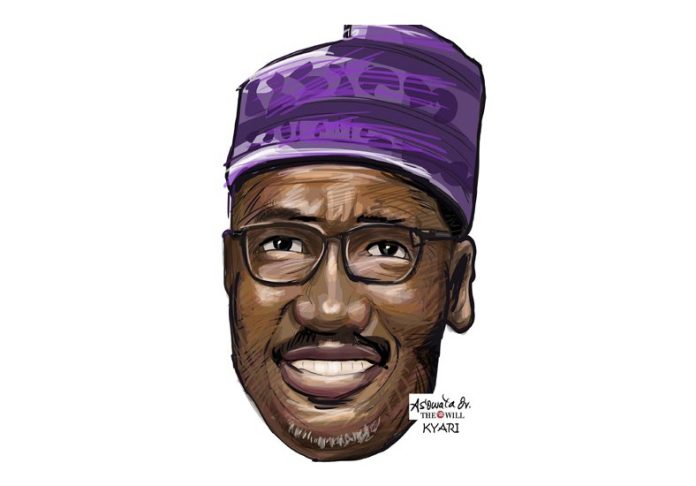
The group chief executive officer of NNPC, Mele Kyari said: “There are certainly more discoveries to be made if exploration activities continue. Again, we are confident that the current efforts of the administration will lead to improved security in the northeast”.
About two years after the commissioning of the Kolmani oil field with drilling said to have commenced, nothing significant has been heard about the massive oil and gas deposits in the area. Instead, the nation continues to lament the low level of oil production and its resultant revenue shortage.
The NNPC which showcased the facilities in their post-commissioning state expressed high optimism about the huge difference the production of oil and gas in the Kolmani fields would be.
According to the Ministry of Finance, Nigeria’s total debt stock as of the second quarter ended June 30, 2024 was N134.4 trillion ($91.3 billion).
This was an increase of 10.35 percent from the N121.7 trillion recorded in the first quarter announced by the Debt Management Office (DMO).
Nigeria has been borrowing massively to fund her almost N10 trillion budget deficit and to stabilise the naira by shoring up the foreign reserves and battling to increase oil production to meet the OPEC quota and settle existing resource-backed loans incurred under the immediate past government of former President Buhari.
The hype that went with the federal government announcement of commissioning of the Kolmani oil and gas wells has not been matched with the anticipated production of the natural resource about two years now.
Like the repair of the nation’s refineries, the NNPC has remained silent over the Kolmani oil and gas that have not hit the pipelines since November 2022 when the wells were commissioned with great fanfare.
The Nigerian Upstream Petroleum Regulatory Commission (NUPRC), had said at the commissioning of the Kolmani oil and gas wells that the oil fields could hold as much as one billion barrels of crude oil reserve, which could significantly boost Nigeria’s oil reserve.
The agency noted that oil discovery in the north was coming at a time when crude oil production had dropped to around one million barrels per day in the country, as a result of oil theft and pipeline vandalism, thereby hobbling the ability of the country to earn foreign exchange.
Like the NNPC, the NUPRC has maintained a stout silence over the commissioned Kolmani oil and gas wells, while Nigeria reels on the throes revenue challenge.

Sam Diala is a Bloomberg Certified Financial Journalist with over a decade of experience in reporting Business and Economy. He is Business Editor at THEWILL Newspaper, and believes that work, not wishes, creates wealth.