
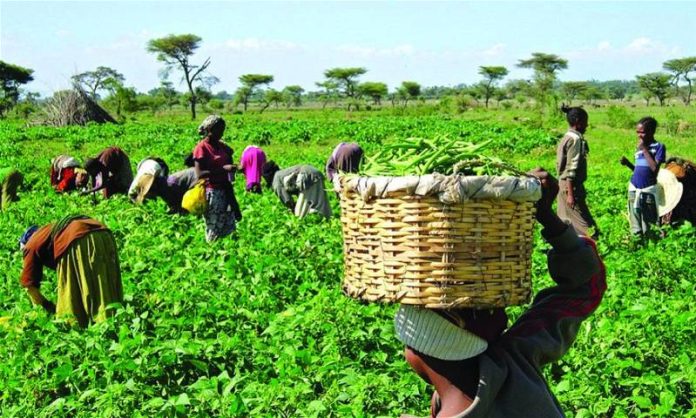
November 25, (THEWILL) — Farmers across the country are grappling with steep financial setbacks as the cost of key agricultural inputs surged by an average of 41% over the past season, sharply eroding already-thin profit margins.
The spike driven by rising prices of fertiliser, fuel, pesticides, and animal feed has left many growers struggling to stay afloat.
Producers say the surge in input costs has outpaced gains in the prices of major crops, creating a widening gap between production expenses and market returns. For smallholder farmers, who make up the majority of the sector, the impact has been especially severe.

The sharp rise in input costs and the resulting 41% drop in farmers’ profits signal deeper structural weaknesses in the agricultural sector. Because agriculture already contributes relatively little to national GDP, this new pressure magnifies existing vulnerabilities rather than standing as an isolated challenge.
Agriculture’s GDP contribution may shrink even further as many farmers cut back production or shift to less input-intensive crops. When profit margins collapse, farmers reduce investment, leading to lower yields and reduced overall output.
Higher production costs make locally grown produce less competitive compared to imports. This can widen the reliance on foreign food supplies, especially if domestic farmers cannot absorb the rising expenses.
If farmers scale back planting, the country risks lower food availability, potentially driving up market prices. Given that agriculture already struggles to meet national demand, reduced output could worsen food inflation and supply instability.
Fertiliser prices saw the sharpest increase, largely tied to global supply chain disruptions and higher energy costs. Diesel prices also rose significantly, affecting everything from land preparation to transportation. Many livestock farmers reported paying substantially more for feed, pushing some to reduce herd sizes to cut costs.
Agricultural economists warn that if the trend continues, the country could see reduced food production in the coming seasons as farmers scale back planting or abandon certain crops altogether. They stress that supportive interventions such as subsidies, credit access, and stable supply chains will be critical to prevent further losses.
The surge in input costs doesn’t just hurt farmers. It poses a wider economic risk. For a sector already contributing minimally to GDP, falling profitability threatens output, employment, food security, and the long-term sustainability of the agricultural value chain.

Ogochukwu Onwaeze
