
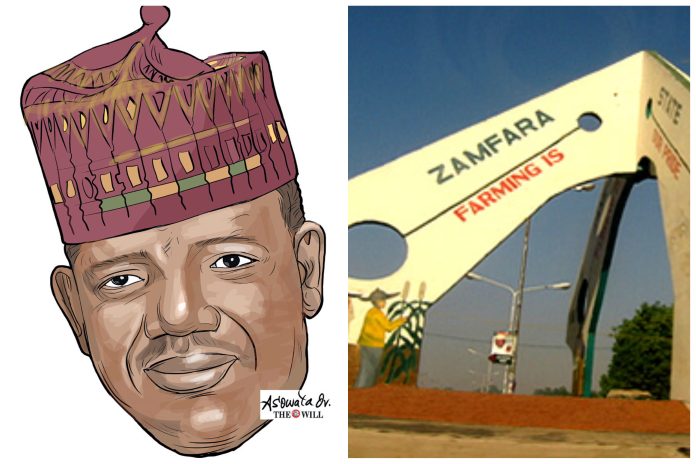
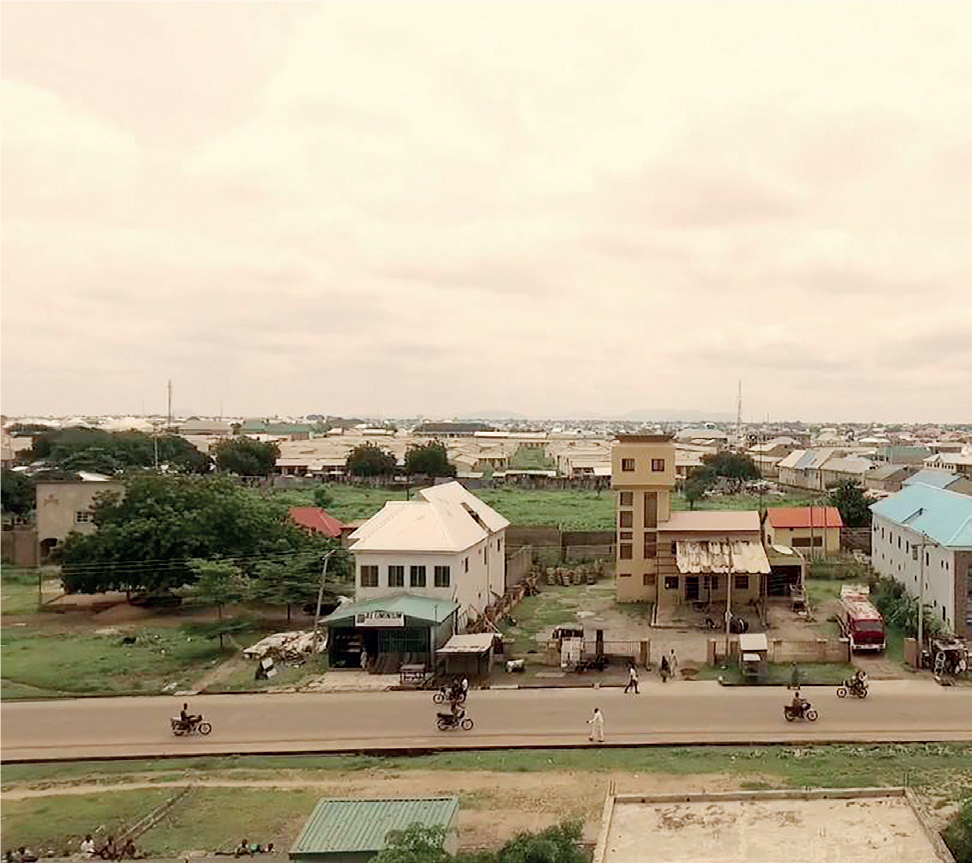
February 13, (THEWILL) – Situated in north-western Nigeria, Zamfara State was carved out of Sokoto State on October 1, 1996. Its capital is Gusau. Its climate is tropical, with temperatures rising up to 38 °C (100.4 °F) and above between March and May. The rainy season starts in late May and ends in September, while Harmattan lasts from December to April.
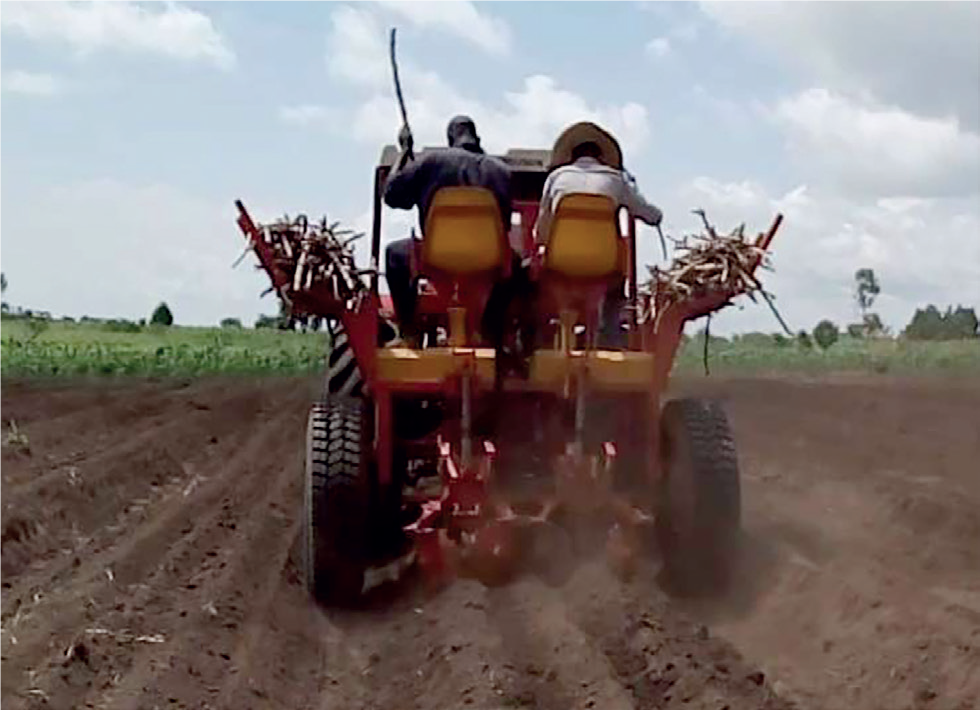
Zamfara’s economy is driven by agriculture, with over 80 per cent of the population engaged in farming. Major agricultural products include millet, guinea corn, maize, rice, groundnut, cotton, tobacco, wheat, tomatoes, beans and livestock. Irrigation is required for cereals and legumes. The people also engage in the weaving of locally dyed and designed clothing materials, as well as other kinds of woven products often made from date – palm raffia. Some of the locals also indulge in illegal gold mining.
The Zamfara State Government made it a cardinal policy to encourage foreign and indigenous entrepreneurs to invest in the state, especially the manufacturing sector, so as to industrialise the state.

Gusau is also the commercial hub where industries, such as a modern bakery, Gusau Oil Mill, (which is the first vegetable oil mill in Nigeria to extract oil from cotton seeds), Zamfara Textile Industries Limited, the Gusau Sweets Factory and the Cotton Gingery are located.
Agriculture and gold mining are the main occupations of the people of the state and the central source of income, hence its slogan.
Mineral Resources
Iron ore, alluvial gold, chromate, chamovite, granite, clay, limestone, quartz, and kaolin are found in the state.

Tourist Sites
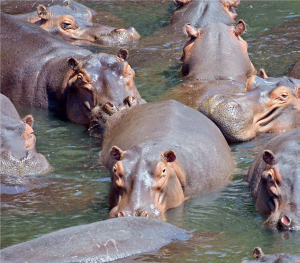
Areas of interest include Kiyawa City Walls, Kalale Hippopotamus Pond, Kwartarkwashi Rock/Water Spring, Kuyambana Game Reserve, Zamfara State History Bureau Museum, Sambo Dan Ashafa’s tomb, Emir of Anka’s palace and the ruins of Yargoge’s Court at Kuyambana.
Agriculture and Rural Development
Livestock production and crops form the basis of the farming economy in Zamfara. Livestock have many functions: Milk is consumed and sold; livestock are sold for cash income; rams are slaughtered for meat during certain religious festivals and new animals are purchased as a safety net against harvest failure or simply as a place to bank money. Manure is used to fertilise fields and oxen provide draught power to pull a plough or to transport goods.
In Zamfara most of the farmers keep cattle. Sale of milk is common among Fulani herdsmen and cattle are kept for draught power rather than for breeding (or milking). Among the Hausa, only those that are well-to-do typically consume and sell fresh milk. Milk production peaks for three or four months during the rainy season (June-September) then continues, with lower yields for two or three months.
The rainy season is when livestock are near the villages. Milk yields (for human use) range between one and two litres per cow every day and half of that quantity is often sold.
Camels are not very common in the Zamfara Mixed Crops Zone. Nonetheless, this situation is changing as camel rearing is beginning to spread south from the LGAs bordering Niger Republic toward the central and southern LGAs of Zamfara State.
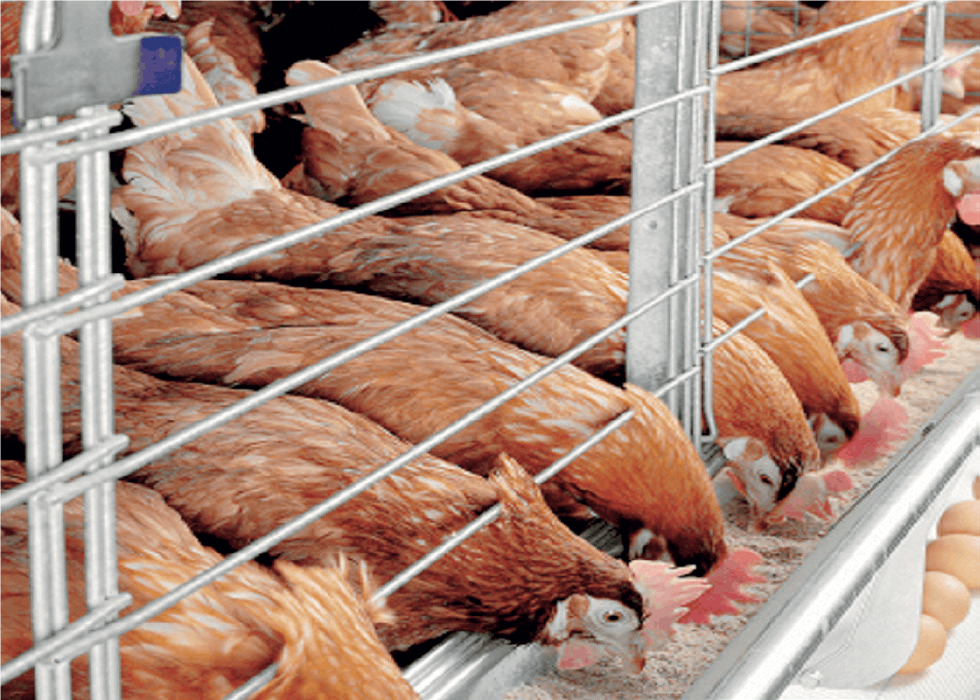
In very poor households, the head usually does not own livestock, but the women keep a few sheep and goats of their own, as well as poultry (hens, ducks, or guinea fowl). These animals are kept to generate cash when required. During the reference year, as much as 100 per cent of the original herd is sold for cash.
Farmers have adapted by planting millet and short-cycle hybrid maize, as well as groundnuts and cowpeas. Nonetheless, this warmer and drier trend, coupled with an unpredictable climate and associated hazards (such as pests) will pose a significant challenge to farmers in the coming years.
When there are major production shortfalls, households have three basic options: (i) increase income; (2) reduce non-essential expenditures and buy staple food; and (3) reduce food intake.
The Zamfara State Community and Social Development Project (CSDP), says it has provided financial support to various communities in the state. The CSDP, a World Bank-assisted project, said the support was for the implementation of 744 micro-projects valued at N2.063 billion. According to the government, educational projects took about 60 per cent of the resources that CSDP gave to communities to execute projects.
Between July 2009 and September 2020, CSDP assisted 262 communities and groups to implement 744 projects at the total cost of over N2.063 billion. The projects were to improve the poor people’s access to social and economic infrastructure while increasing the availability and management of development resources at the community level.
The CSDP is one of the developmental projects in the country’s World Bank portfolios, using a community-driven approach, by which communities are the drivers of their project needs.
The project provided 90 per cent of the funds for projects, solely initiated by poor communities, for which they contribute the rest 10 per cent in cash and in kind.
FACT FILE:
LGA: 14
Land Area: 15,352sq mi.
Registered businesses: 56
Public primary schools: 1,410 circa
Public secondary schools: 260 circa
University (2): Federal – 1, state – 1
Polytechnic (3): Federal – 1, state – 2
College of Education (4): Federal -2, state – 2
College of Agriculture: State – 3
Nursing School/health & Science (3): Federal – 1, state – 2
Technical School: State – 4
Total Revenue: N59.74bn @ 2020
Total Tax: N14.45bn @ 2020
Total IGR: N18.44bn @ 2020 (30.86% of total revenue)
FAAC: N41.44bn @ 2020 (69.14% of total revenue)
Domestic Debt: N66.77bn @ 2020
External Debt: $70.59m @ 2020
Unemployment rate: 43.6% @ 2020
Airstrip: Gusau.
Zamfara Embarks On Gold Refining, Halts Illegal Mining
Zamfara State has acquired equipment for gold mining that will turn the state into a hub of gold business in Nigeria. Already, a state-of-the-art gold refinery equipment has been mounted in Baka Lori Dam, with more refining facilities already procured. This is on the backdrop of the Presidential Artisanal Gold Mining Development Initiative (PAGMI).
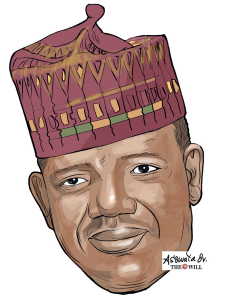
According to Governor Bello Matawalle, the project will expand the state’s economy. He disclosed that the state is partnering with serious investors from South Africa and Russia to kickstart the mining programme.
“The President even advised me that I should liaise with South African and Russian mining companies so that we can partner with the Federal Government and the 36 states to achieve much more. I assure you that within a limited time, once the ban is lifted I will travel to South Africa to see some companies and make some assessments and they will follow me to come and see what Zamfara has. I assure the people of the state that within 2 to 3 months , we will go into full scale mining”
A recent government report showed that Nigeria lost over $3billion to illegal gold mining, mostly from Zamfara. Matawalle revealed that the state recently uncovered a large deposit of gold currently being mined illegally

“In a few days, the people of Zamfara will see a lot of changes, especially in the mining sector. We want to strengthen local miners, identify them and organise cooperative groups so that they can be benefiting from mining.
“Zamfara State is going to benefit from this PAGMI programme very soon. We will set up a committee on PAGMI so that they can go round and the government and the Central Bank of Nigeria will be buying from us directly. It is good that they are selling it very cheap in the mining areas. The Federal Government, CBN and states can come in and buy from small-scale miners”
The governor, who lamented that insecurity was limiting efforts to expand businesses in the state, called on the people to support security agencies.
He said, “As state governors, we have a big role to play. We just have to support the security agencies, no matter what. If the governors are not serious they can’t be able to achieve what they want. I advised the President that all those who are calling for the sacking of security chiefs should think of the best way to encourage them to improve on their performance, instead of sacking them.
“Even if you sack them, you are bringing another one. So let us use the one that we have. We will support them as a government. My state now is peaceful and everybody is aware.
“We have assigned more than 3,000 policemen to protect the mining sites. We have the security. It’s just for us as leaders to support them. I believe we will see a lot of changes in terms of security in this country.
Furthermore, the state government said it has taken stringent measures to address the multiple health issues associated with lead poisoning in the state. The government said that lead poisoning was discovered by Medicines Sans Frontiers during routine immunisation exercises in some mining villages of the southwest of Zamfara State.

“It was reported to be one of the worst of its kind in human history where over 700 children died of the disaster,” Matawalle added.
“The disaster brought gold mining in Zamfara State to the attention of the world, particularly artisanal mining which is the dominant mining activity in many communities”, the government said.
The government further said that it has taken necessary steps to prevent the reoccurrence of the painful experience of the past, notably organizing the artisanal miners into mining cooperatives as a step towards the formalization of their activities.
“This is in line with the Nigeria Minerals and Mining Act 2007 and the mining Regulations of 2011.
“Although mining activities have been suspended by the Federal Government for security reasons, it is our belief that by the time the programme resumes, the artisanal miners that have not joined any cooperative will do so.”
The government disclosed that it is committed to maximising the state’s potentials in the mining sector through the invitation of investment into the mining sector to promote safer mining among artisanal miners.
Challenging Factors: Insecurity, poor/low educational standard, large number of out-of-school children, poverty, lack of basic infrastructure, harsh weather condition.
*** BY SAM DIALA & OLAYEMI SHABA
Sam Diala is a Bloomberg Certified Financial Journalist with over a decade of experience in reporting Business and Economy. He is Business Editor at THEWILL Newspaper, and believes that work, not wishes, creates wealth.
