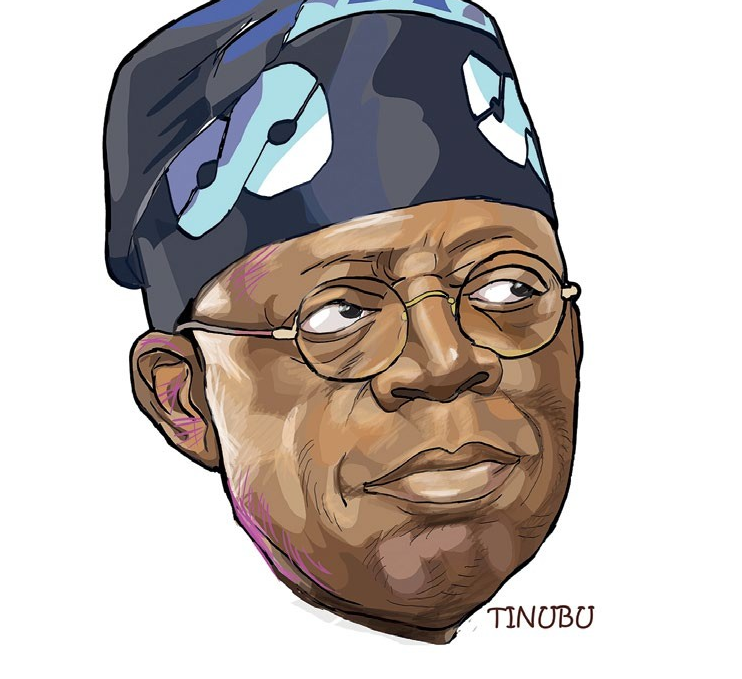
The Bola Ahmed Tinubu Administration has encountered a significant challenge as it begins its tenure. During his inauguration, Tinubu announced the complete removal of the fuel subsidy, a highly controversial but popular policy that has resulted in high prices and long queues for fuel across the nation. The policy is set to take effect on July 1, but the announcement has already caused chaos as Nigerians rush to buy fuel before the prices increase further.
In the immediate aftermath of the crisis, oil marketers have backed the move amid the assurances provided by the Nigerian National Petroleum Company Limited (NNPCL) and the Nigerian Midstream and Downstream Petroleum Regulatory Authority on the availability of products. However, the Nigeria Labour Congress (NLC) and its affiliated unions have declared a mass protest against the immediate implementation of the removal.
The NNPCL, the sole importer of fuel into the country, has assured the public of ample fuel supply. It has also promised close collaboration with the Nigerian Midstream and Downstream Petroleum Regulatory Authority and relevant stakeholders to ensure a smooth transition.

Furthermore, the oil marketers stressed that the decision to phase out the fuel subsidy regime went beyond a mere fiscal reform. They viewed it as a substantial step towards achieving social justice.
With the announcement, fuel price jumped from the previous official pump price of N185 to a range between N350 and N550 (or worse in certain parts of the country because of a price chart from the NNPCL that emerged to cut down the excesses of some petrol filling stations).
This price hike is anticipated to have significant economic consequences in Nigeria, where 133 million people live in multidimensional poverty, according to the country’s own National Bureau of Statistics. The sudden increase in fuel prices is already directly impacting transportation costs, food prices and overall living expenses, disproportionately affecting the vulnerable segments of society. Unsurprisingly, this move has been met with widespread unpopularity among citizens, sparking protests and unrest.
To understand the context, Nigeria’s fuel subsidy is a system where the Federal Government shoulders the majority of the costs of fuel imports, reducing the costs paid by consumers. Nigeria’s oil is refined in Europe and imported back to the country, contributing to the high costs. The subsidy was initially introduced in the 1970s to alleviate the impact of rising global oil prices and subsequent administrations attempted to remove it but faced opposition due to its popularity among citizens. Over time, the subsidy became a heavy burden for the government as the costs escalated while private pockets have been fattened by the fraud that the subsidy regime has enabled.
The removal of the subsidy became a major issue in January 2012 when the then President Goodluck Jonathan announced its removal, resulting in fuel price increases and sparking widespread protests. The protests, organised by labour unions, civil society groups and opposition party leaders, including the now-President Tinubu, brought the country to a standstill, leading to a partial reduction in fuel prices and the reintroduction of the subsidy. The subsidy system has been plagued by corruption and a lack of transparency, with instances of fraud and calls for investigations into the NNPCL and subsidy payments to oil marketers.
In the run-up to the February 2023 presidential election, all three major presidential candidates, including Tinubu, promised to remove the subsidy and implement oil sector reforms.
Experts argue that the subsidy has become a significant financial burden, particularly considering Nigeria’s economic reality. The previous administration left a substantial debt of N77 trillion ($167 billion) to local and foreign creditors, with a large portion of the government’s revenue being used to service the debt. Continuing subsidy payments could worsen the government’s cash crunch, hinder economic growth and limit its ability to invest in critical sectors, such as education, healthcare and infrastructure.
However, a haphazard, ambiguous removal of the subsidy, however well-intentioned, is just as bad. That is why, although I have been a longtime advocate of an end to the fraudulent subsidy programme, I want to recommend a series of actions to help with cushioning the effects of the enduring crisis and ensuring a smooth transition to a non-subsidy period.
For starters, the government should establish comprehensive social safety nets to support vulnerable populations affected by the fuel price increase. This includes targeted food subsidies and very low cost quality healthcare to mitigate the immediate impact on those living in poverty. The local government councils and community leaders have a key role to play here.
Additionally, implementing programmes to enhance skill development and create employment opportunities can help alleviate the long-term effects of subsidy removal.
Many state governments already operate mass transit services within their metro areas. The governments should, as a matter of urgency, increase their fleet by adding more fuel efficient buses and make the cost of commuting cheaper.
The government must immediately begin to engage in negotiations with the NLC and its affiliates to address the concerns of workers who may face wage stagnation and increased costs of living. It is crucial to ensure that the burden of subsidy removal is not disproportionately placed on workers and their welfare is protected during this transition. Workers must earn a decent and realistic wage. Recently, it came to light that there have been selective salary increments at the federal level.
This was revealed via a protest by the Colleges of Education Academic Staff Union (COEASU), which rejected the Federal Government’s decision to exclude certain workers, including lecturers and tertiary institution workers, from the recent salary increase. According to COEASU, this action is an attempt to divide Nigerian workers and create confusion within the system.
Such selective treatments only engender distrust of government, which is antithetical to unity and oneness. It behoves on Labour to fight against such practices. As the party with the most to lose, Labour must fight, not against the removal of subsidy, but for better pay, more money in the pockets of workers, reduction in government wasteful spending, tax incentives for workers, an efficient PAYE system, improvement of power supply and cost-cutting measures across board. They must task government to improve the trust from the masses that fuels a workforce towards productivity.
To rebuild public trust, government should prioritise transparency and accountability in the management of petroleum revenues. This includes conducting independent audits of the NNPCL and subsidy payments to eliminate corruption and ensure that the savings from subsidy removal are reinvested in critical sectors of the economy.
Nigeria has long relied heavily on oil revenues, making the economy vulnerable to fluctuations in global oil prices. The government must also focus on diversifying the economy by promoting sectors such as agriculture, manufacturing, technology and tourism. This diversification will create new job opportunities, stimulate economic growth, and provide alternative sources of income.
Alongside subsidy removal, government should prioritise comprehensive reforms in the energy sector. This includes investing in renewable energy sources such as solar and wind, improving power infrastructure, and promoting energy efficiency measures to reduce reliance on petroleum products. This will not only contribute to sustainable development but also reduce the vulnerability of the economy to global oil price shocks. It will also help businesses, heavily reliant on power supply, cut costs, cuts which can translate to more profits and more money in more pockets.
Additionally, the government should prioritise fiscal discipline by reducing wasteful spending, streamlining bureaucracy, and implementing sound economic policies. This will help alleviate the financial strain and create a more sustainable economic environment. By optimising revenue collection and reducing leakages, the government can create room for investments in critical sectors and social programs.
To foster understanding and support for the subsidy removal, the government should launch a comprehensive public awareness campaign to educate citizens about the rationale behind the decision, its long-term benefits, and the accompanying measures to alleviate its impact. This campaign should include town hall meetings, media engagements and the use of social media platforms to ensure broad outreach and effective communication.
I know that our country is a complex one to govern because of the multiple powerful interests, but Tinubu must be bold, resolute and decisive in making and implementing decisions that are for the overall good. The removal of fuel subsidy is a popular decision, however, his government must work closely with state governments and local governments to find ways to get help across to those who really need them.
By addressing the challenges head-on and implementing comprehensive reforms, Nigeria can navigate this transition successfully and build a stronger foundation for its economic future.