January 12, (THEWILL) – In the turbulent waters of Nigerian football, few decisions ignite as much debate as the appointment of a Super Eagles coach. The Nigeria Football Federation’s (NFF) recent decision to install Eric Chelle as head coach has raised eyebrows and voices alike. From questions about his suitability to murmurs of administrative missteps, this appointment is shaping up to be a litmus test for Nigerian football’s future direction.
The journey to Chelle’s unveiling was anything but straightforward. The NFF reportedly had high-profile options in its sights, including Herve Renard, Antonio Conceição and Laurent Blanc, all of whom boast impressive resumes that could have bolstered the Super Eagles’ stature. However, negotiations failed to materialise, leaving the NFF scrambling to fill the role amid mounting public pressure with NFF Technical Director Austin Eguavoen, holding the forte on an interim basis.
Even more damning was the botched announcement of Bruno Labbadia, a German coach whose appointment was declared late at night, only to be embarrassingly walked back the following morning. The reason? Disagreements over contractual terms, highlighting the NFF’s persistent issues with due diligence and administrative coordination.

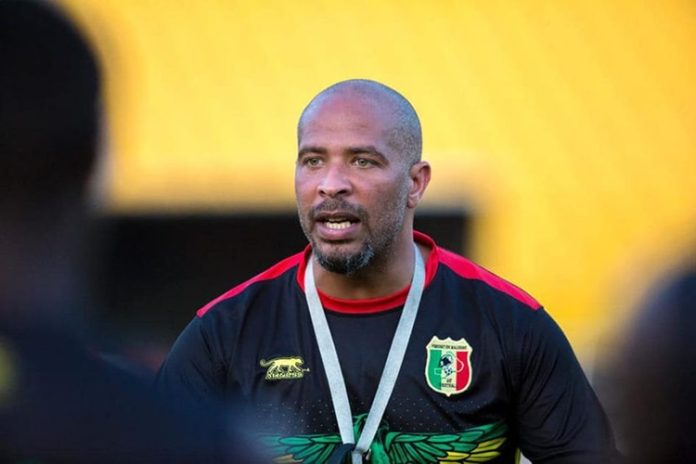
Amid this chaos emerged Chelle, a 45-year-old former Malian international who, while respected, lacks the pedigree of the aforementioned names. His managerial experience includes leading Mali to the Africa Cup of Nations (AFCON) quarter-finals, but his 45.27 percent win rate and the absence of transformative campaigns have left many wondering if his selection represents a compromise rather than a vision.
Chelle’s appointment, while symbolically significant, has exposed fault lines in Nigeria’s football discourse. For the first time, a non-Nigerian African is at the helm of the Super Eagles, a move that could either challenge entrenched biases or deepen frustrations about the marginalisation of local coaches.
Supporters of Chelle highlight his familiarity with African football dynamics and his reputation for fostering cohesion in multicultural teams. In a squad as diverse and ego-driven as the Super Eagles, these attributes might prove invaluable. But critics argue that his resume pales in comparison to the calibre of coaches Nigeria should be targeting, especially given the team’s ambitions for AFCON 2025 and the 2026 World Cup.
The optics are further complicated by the sidelining of homegrown coaches. Legends like Emmanuel Amuneke, who coached the Nigeria U17 national team to win the World Cup in 2015 and qualified Tanzania for AFCON, and Samson Siasia, who led the Flying Eagles to the final of the 2005 FIFA U20 World Cup and the U20 African Youth Championship and guided the Nigerian U23 team to a silver medal at the 2008 Beijing Olympics, losing to Argentina in the final, despite their deep understanding of Nigerian football, were overlooked in favour of an external candidate. This decision has deepened the perception that the NFF undervalues its indigenous talent, including several bright sparks in the domestic League like NPFL champions coach of Rangers Fidelis Ilechukwu, perpetuating a cycle of dependency on foreign expertise.
The announcement of Chelle’s appointment has sparked mixed reactions. Some stakeholders, including the National Association of Nigerian Students (NANS), have lambasted the NFF for what it called “an aberration,” accusing the federation of failing to prioritise Nigerian solutions to Nigerian challenges. Others, however, see Chelle’s appointment as an opportunity to bridge the gap between local and international coaching standards, particularly if he succeeds in elevating the Super Eagles’ performance.
Yet the broader issue lies not in Chelle’s appointment but in the systemic inefficiencies of the NFF. From late salaries to chaotic recruitment processes, the federation’s administrative lapses threaten to undermine any coach’s ability to succeed. The fiasco surrounding Labbadia’s non-appointment is a glaring reminder of the NFF’s need for professionalism and transparency.
The truth is that Chelle has been appointed and his tenure will undoubtedly serve as a barometer for Nigerian football’s trajectory. For Chelle to succeed, the NFF must provide him with an enabling environment—adequate funding, timely remuneration, and infrastructural support. Moreover, the federation must commit to a long-term strategy that prioritises player development and competitive consistency over quick fixes.
At the same time, the NFF must invest in empowering indigenous coaches. Chelle’s appointment, while a progressive step, should not become a precedent for sidelining local talent. Instead, it must serve as a wake-up call to develop a robust pipeline of Nigerian coaches equipped to lead on the global stage.
The appointment of Eric Chelle as Super Eagles coach is a bold gamble, one that could either rejuvenate Nigerian football or reinforce its existing flaws. While his arrival offers a chance to rewrite the narrative of African coaching in Nigeria, the onus lies on the NFF to back this decision with the resources, professionalism, and vision required for success.
Ultimately, Chelle’s legacy will not be determined by the controversies surrounding his appointment but by the results he delivers on the pitch. For the Super Eagles and their millions of fans, the hope remains the same: a return to the pinnacle of African football and a renewed sense of pride in the green and white.