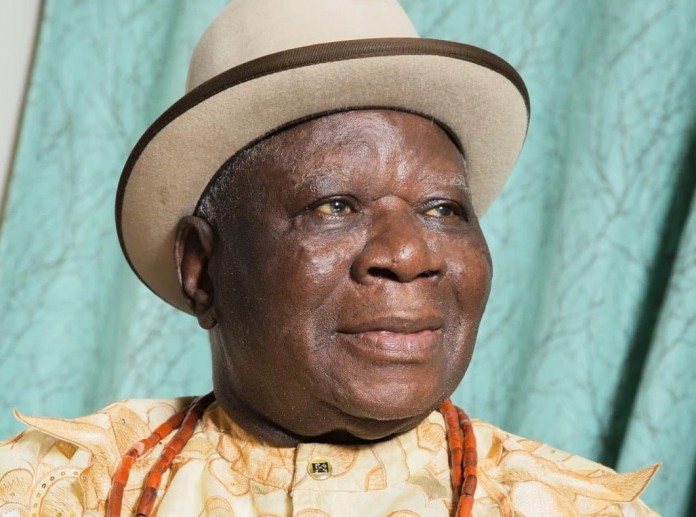
February 24, (THEWILL) – On February 17, 2025, Chief Edwin K Clark, a lawyer, nationalist and dogged advocate for the rights of the Niger Delta, finally exited this part of the world. He was aged 97.
Chief Clark was born on May 25, 1925 in Kiagbodo, Burutu Local Government Area of Delta State. He had his early education in Nigeria and studied law at Holborn College in the United Kingdom.
He led an illustrious life marked by dedicated service, at different times, to his community and the nation.

In his tribute to the fallen elder statesman, President Bola Tinubu described him as a towering figure whose influence was felt across Nigeria’s political firmament for nearly six decades.
The President said Chief Clark was a courageous leader who stood for what he believed in and was never afraid to stand alone in the face of injustice.
He said, “Chief spoke for the Niger Delta. He spoke for the nation. His views and interventions on national issues were distinct and patriotic.
“Pa Clark believed in a united Nigeria and until his last breath, he never stopped reaching out to people from different parts of the country to work together to preserve national unity based on justice and equity.
As an astute politician, his political opponents never doubted the weight of his words, confidence and conviction when he spoke. Indeed, a patriot has transitioned to the great beyond.
“History will remember him as a man who fought gallantly for the rights of the people of the Niger Delta, unity on diversity and true federalism.
Also, Ohanaeze Ndigbo Worldwide, in a statement signed by its Publicity Secretary, Dr Ezechi Chukwu, described Clark as a champion of national unity and “strong advocate of fairness, justice and equity in Nigeria.” The President-General of the pan-Igbo social, cultural and political organisation, Senator John Mbata, said the deceased was a peace builder and seasoned nationalist.
That late Chief Edwin Clark lived a full life dedicated to service is not in doubt. He was evidently a man of many parts whose life mainly revolved around advocacy and fighting injustice.
Before his demise, he was well-known, even beyond these shores as a fierce agitator for the South-South geopolitical zone and the restructuring of Nigeria. He believed the South-South deserved it’s fair share of Nigeria’s wealth and power as the direct source of the nation’s oil wealth.
In spite of his achievements, not many people, including indigenes of the Niger Delta, admire his leadership style because of his perceived leaning towards partisanship. Even the role he played during the devastating Ijaw-Itshekiri conflict, which took a toll on both sides and left many communities crippled, has been called to question. He was seen as one of those who were fuelling the conflagration rather than quenching it.
However, the passing of the elder statesman has indeed left a huge leadership vacuum in the entire Niger Delta that will be very difficult to fill.