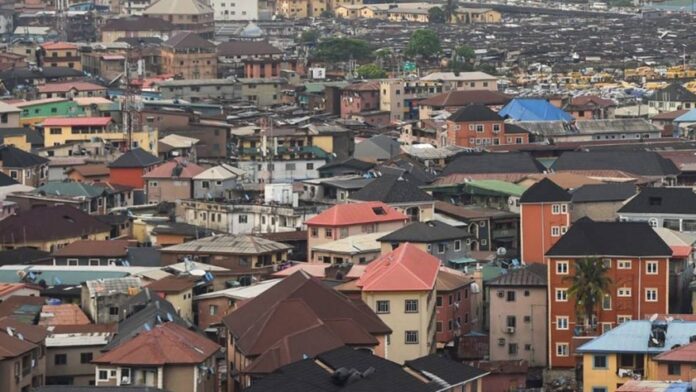
November 17, (THEWILL) — Nowadays living in urban cities like Lagos and Abuja keeps getting tougher and rougher by the day, especially for medium and low-income earners who are struggling, pushing harder than ever to survive the prevailing hardship in the country.
The average resident, who most likely falls within the medium or low income bracket, not only has the rising costs of food items to contend with but also finds himself constantly struggling to access good healthcare, potable water, regular power supply, good roads, decent housing and more.
Unfortunately things are no longer the same in the cities. Change has taken place and severely affected the living condition. Even decent accommodation is no longer affordable, as the standard of living keeps plummeting.

There is an indication that the rising cost of living in urban areas is driving many Nigerian families back to the rural areas where things appear to be a lot better. According to recent reports, arbitrary rent increases are some of the major factors driving this downward movement. Property owners obsessed with raising rental prices are obviously not helping the matter, even though some people have come up with the argument that the steady
rise in rental prices across the country is driven by a complex mix of economic and structural factors.
One expert pointed out that one of the most pressing issues is the increasing cost of land. According to him, as urban centres expand and demand for prime locations intensifies, the value of land continues to soar. Land scarcity in major cities has further heightened competition, making property acquisition an expensive venture. This, in turn, pushes landlords and developers to pass on these costs to tenants in the form of higher rent, thus making housing less affordable for the average citizen.
Beyond land costs, he added, the surge in the prices of building materials plays a significant role. Some materials are experiencing constant price hikes, largely influenced by inflation, import dependence, and supply chain disruptions. These rising costs not only impact new construction projects but also existing buildings. Landlords are therefore compelled to adjust rents upward to cover maintenance expenses, since even routine repairs now require expensive materials. As a result, tenants bear the brunt of such inflationary pressures.
The House of Representatives recently proposed pegging annual rent increases at no more than 20 per cent. The objective is to curb arbitrary hikes and protect tenants from exploitation, especially in areas experiencing rapid infrastructure development.
We commend the House for taking this step, even as we remind the Federal Government it’s constitutional duty to regulate rent increases and ensure access to affordable housing nationwide, particularly now that the current economic hardship is worsening the plight of Nigerians who face rising rental prices.