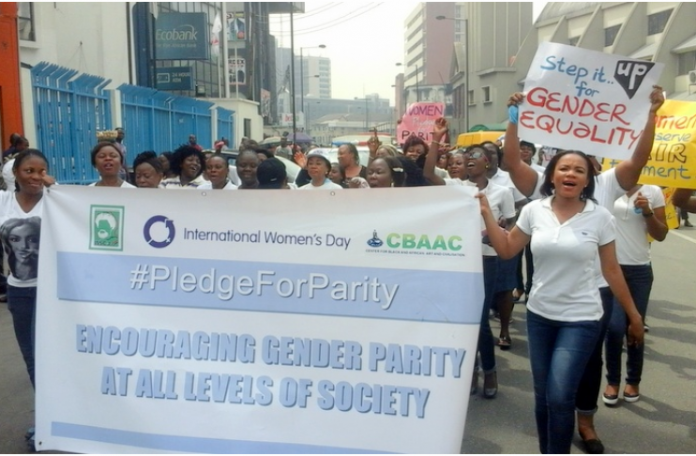
SAN FRANCISCO, July 11, (THEWILL) – Aspects of the African tradition, which discriminates on the basis of gender, have been a source of great concern to discerning minds. In Nigeria, the situation has degenerated to a ridiculous level where women are treated as second-class citizens.
While she is exposed to all forms of abuses, the dominating male, habitually infringes on the woman’s fundamental rights in all spheres of life. Of great concern however, is that in most cultures and traditions, she is denied such basic rights as free association and inheritance to her deceased father or husband’s property.
It is against this backdrop that the recent Supreme Court ruling voiding the Igbo law and customs that forbids the female child from inheriting her late father’s estate, has come as a great relief.

The judgment was delivered in an appeal filed by Mrs. Lois Chituru Ukeje, wife of the late Lazarus Ogbonna Ukeje and their son, Enyinnaya Lazarus Ukeje, against the rights of the deceased’s daughter, Mrs. Gladys Ada Ukeje.
Reading the lead judgment, Justice Bode Rhodes-Vivour held that, “The said discriminatory Customary Law is void as it conflicts with Section 42(1) and (2) of the Nigerian Constitution.” Other Justices who unanimously agreed with the judgment were, Walter Samuel Nkanu Onnoghen, Clara Bata Ogunbiyi, Kumai Bayang Aka’ahs and John Inyang Okoro.
They upheld that “no matter the circumstances of the birth of a female child, such a child is entitled to an inheritance from her late father’s estate.”
The ruling has come at a time when gender inequality is being fiercely contested by interest groups from across the nation. Apart from conflicting with the Constitution, dehumanizing practices contravene some international status, forbidding all forms of discrimination on the basis of sex. Among them is the United Nations convention on the Elimination of all Forms of Discrimination against Women, CEDAW, adopted in 1979.
Nigeria, with over 250 ethnic groups, has discriminatory practices against women in diverse ways. Women are victimized in all spheres, including religion, work, education, politics, sports, etc.
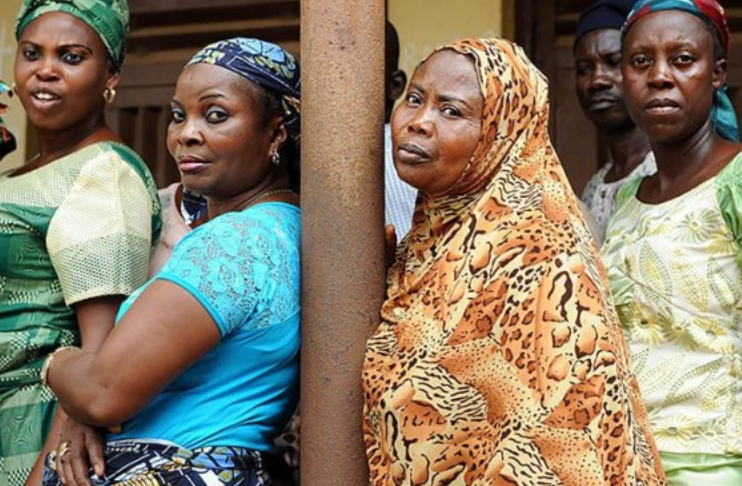
It is absurd that women in Nigeria are made to play a second fiddle, whether as children, wives or widows. In most cases, it is only the mother’s personal possessions that they are entitled to inherit, no matter their position in the family.
These abuses are so deeply entrenched that as widows, they are made to pass through barbaric practices, including sedentary confinement, sometimes without bath, and forcefully drinking the water used in bathing their late husband’s dead body. Unfortunately, the reverse is the case for the widower in all ramifications.
It is however commendable that the Yoruba culture has given a sense of belonging to the woman, by allowing her access to the late father’s estate. This is relative to her getting portions of her late father’s property, which is shared among the deceased’s children, regardless of gender.
THEWILL demands enforcement of the Supreme Court ruling across all tribes. The CEDAW and Beijing affirmative declarations should be given their due place in Nigeria. The country must not drift away from the UN convention which made it compulsory for all nations to adopt the cardinal objective eschewing any form of discrimination. In addition, the Beijing Platform for Action, Culture and Religion, seeks to enforce all women’s rights.
Its recommendations among others include combating cultural and traditional practices that oppress women.
It is instructive that the Supreme Court ruling was centred around the Igbo culture, where the discrimination against women appears to be stronger. Apart from the traditional denial of a woman’s rights to inheritance, other feminine deprivations are also high there.
This court ruling should be used to break barriers in all tribes, including limitations on the basis of religion as prevalent in the north. It is unfortunate that Nigeria is ranked 118, out of 134 countries in the gender equality index.
THEWILL urges the National Assembly to urgently revisit the “Gender Parity and Prohibition of Violence against Women bill”, currently before the Senate. The bill, which the Senate rejected recently, is seeking equal rights for women in marriage, education and job, among others. The Federal Government should, as a matter of necessity, lead in promoting women-friendly constitutional and socio-cultural frameworks.
THEWILL condemns all forms of discrimination against women, which render them invisible and subservient to their male counterparts. Some of these include female genital mutilation, harmful burial rites and domestic violence. Others include discriminatory widowhood practices, sexual and other abuses, second class treatments as well as the blatant preference of the male over the girl child.