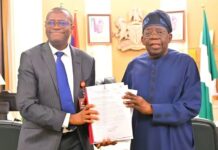
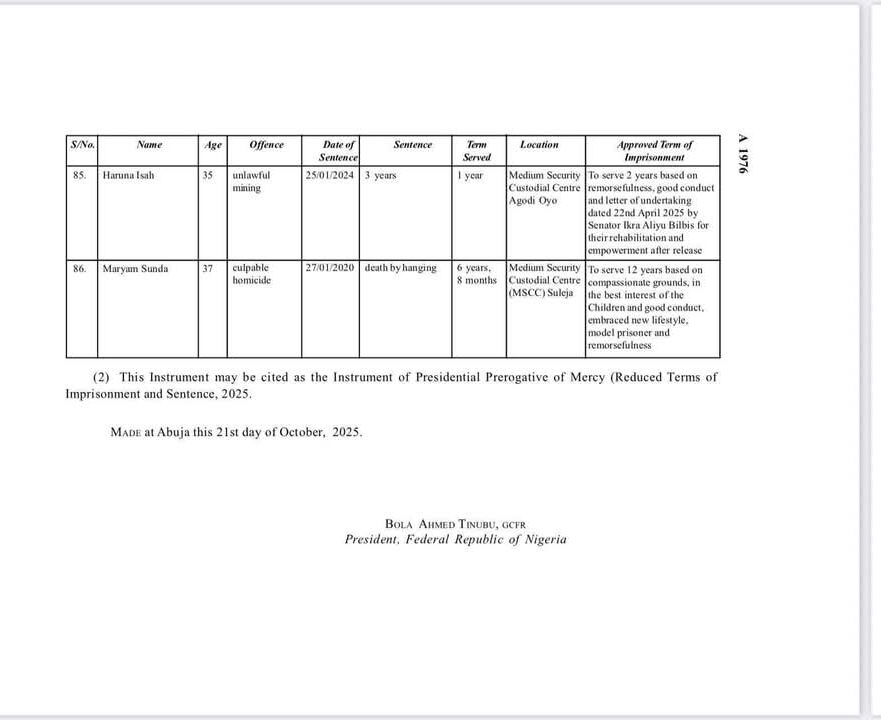
October 29, (THEWILL) — President Bola Tinubu has struck out convicted husband-killer, Maryam Sanda, from the revised Presidential Pardon List, in a decisive move to uphold justice and ensure that perpetrators of heinous crimes do not benefit from executive mercy.
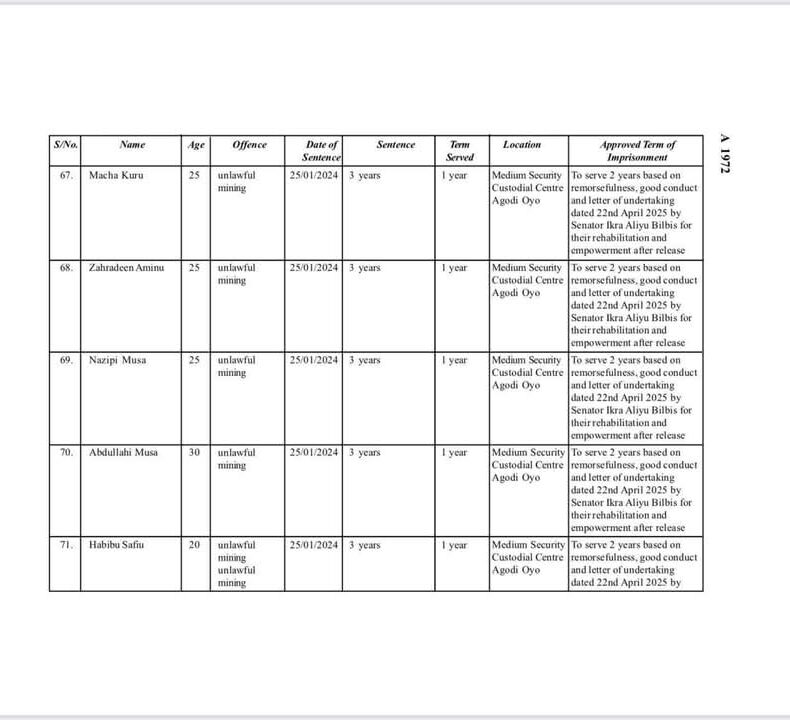
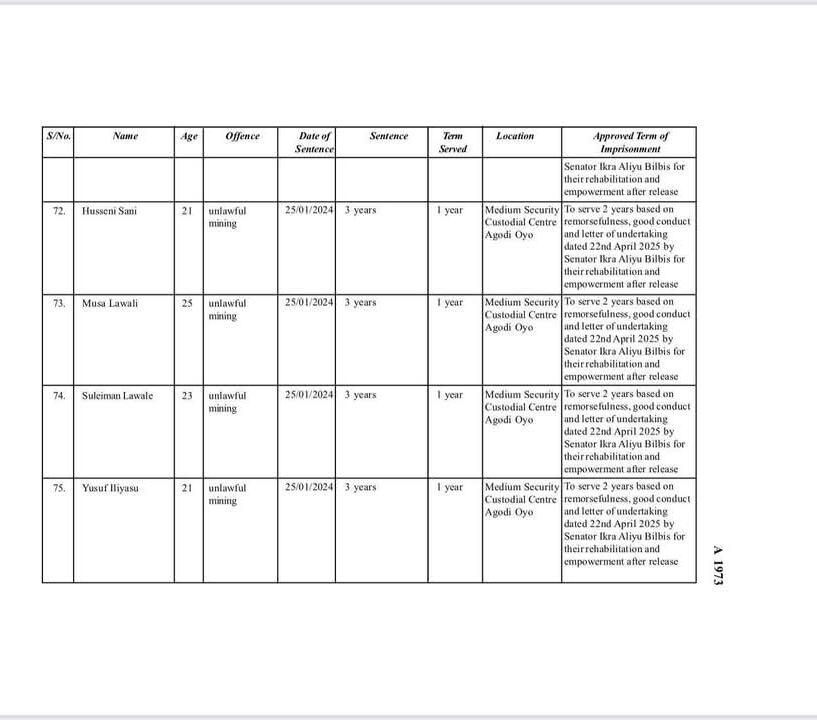
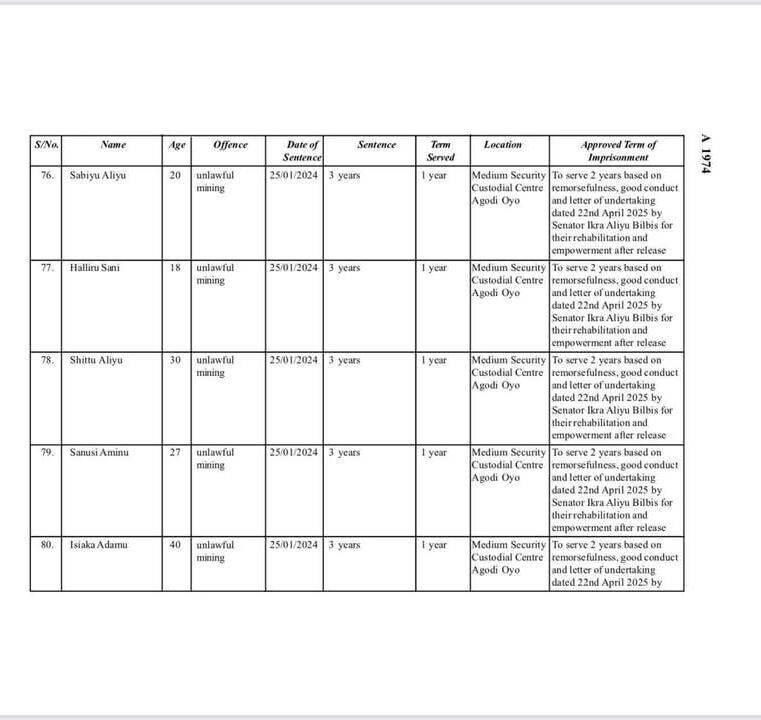
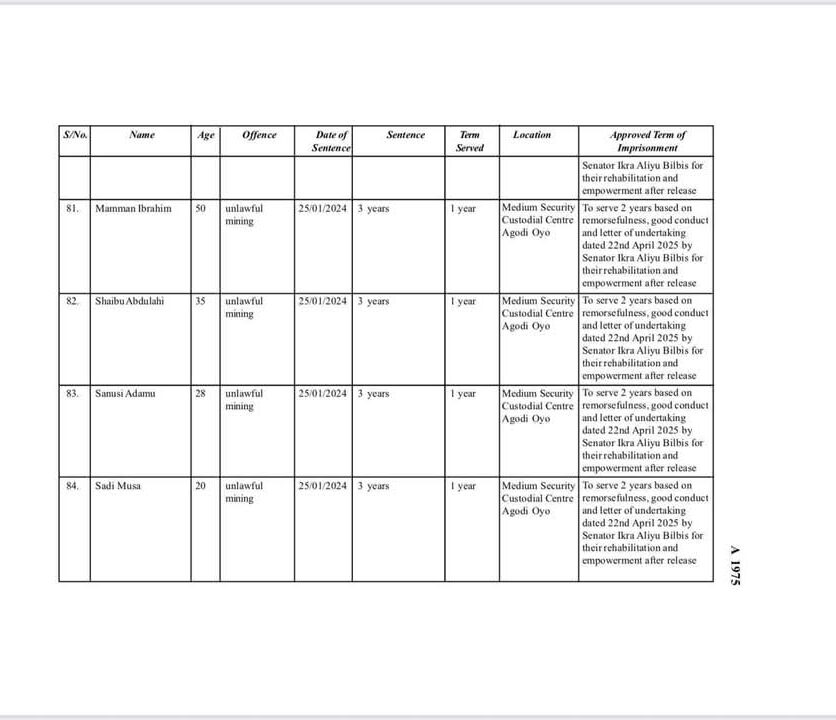
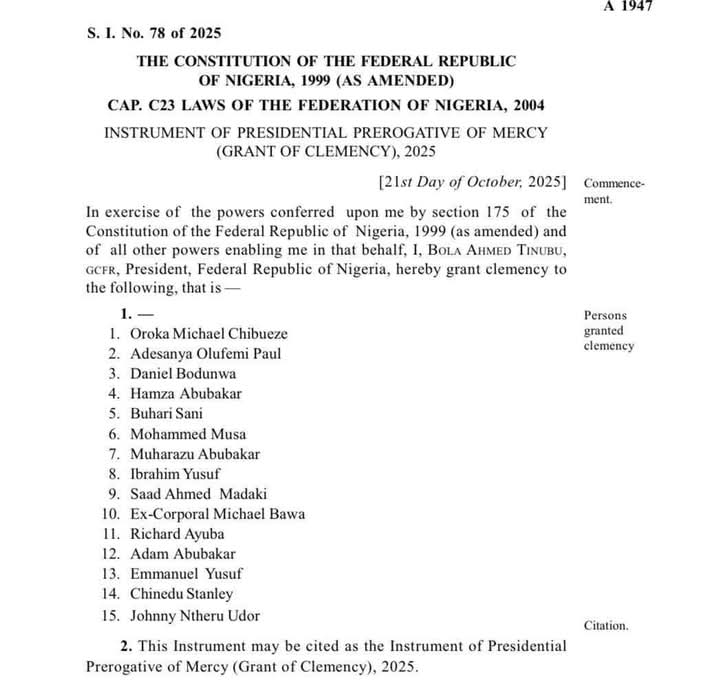
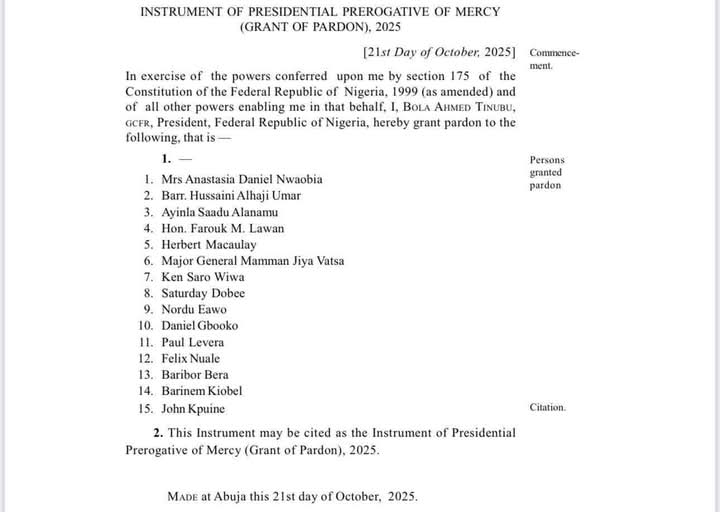
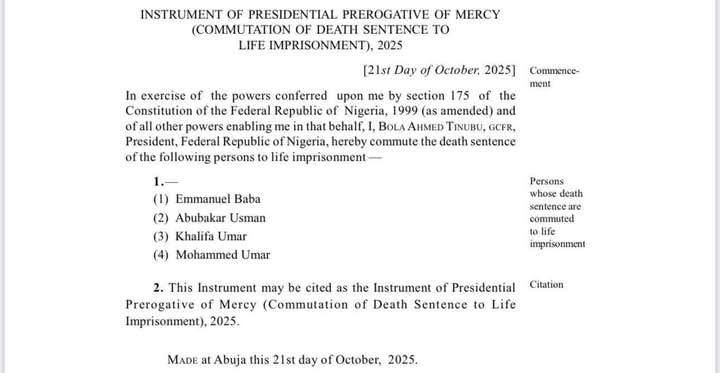
The updated Instrument of Presidential Prerogative of Mercy (Grant of Clemency), 2025, signed by the President on October 21, 2025, and officially gazetted, outlines individuals granted pardon, commutation of death sentences, and clemency. However, it expressly excludes those convicted of grave offences such as murder, kidnapping, terrorism, and armed robbery.
Presidential spokesman, Bayo Onanuga, confirmed the adjustment on Wednesday, noting that it followed widespread public criticism over the initial inclusion of controversial names in the earlier version. He stated that President Tinubu ordered a full reassessment of the list in consultation with the Council of State and the Federal Ministry of Justice to ensure fairness and transparency in the clemency process.

According to Onanuga, the President directed that convicts found guilty of “murder, kidnapping, drug trafficking, human trafficking, armed robbery, and other violent crimes” must not benefit from the clemency programme, regardless of how long they have spent in custody or their conduct while in prison.
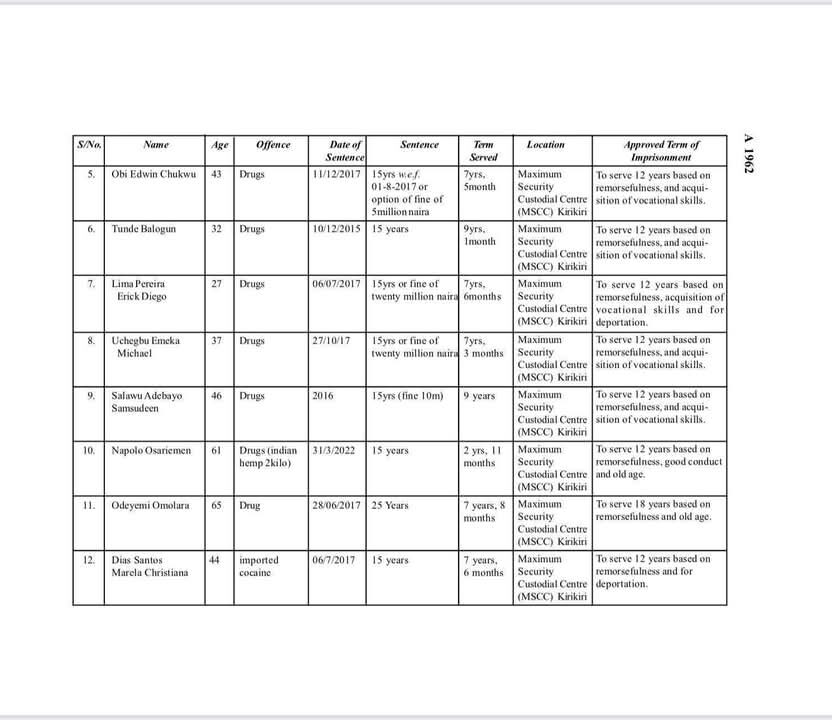
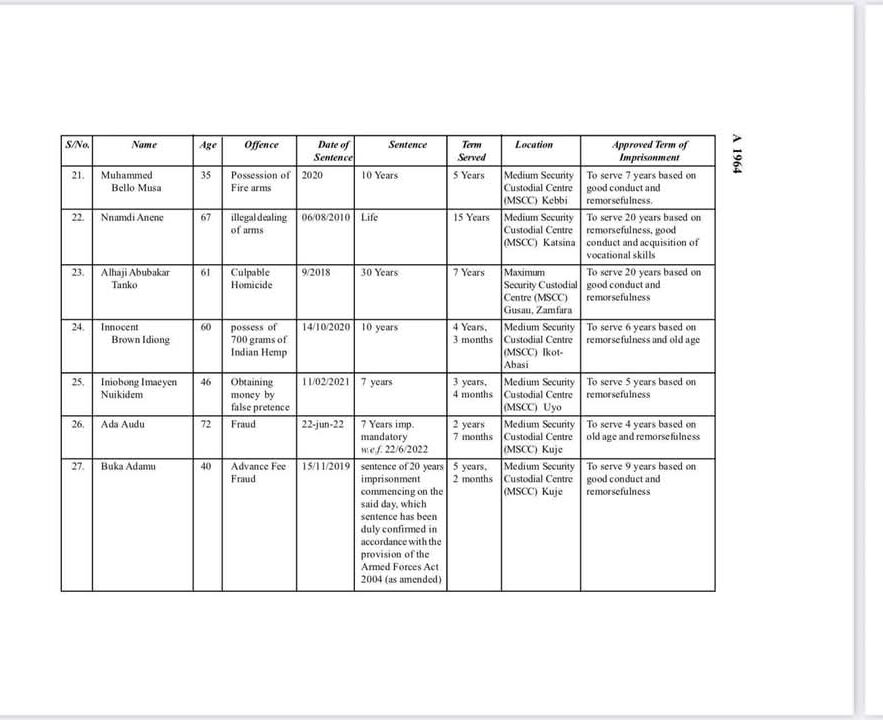
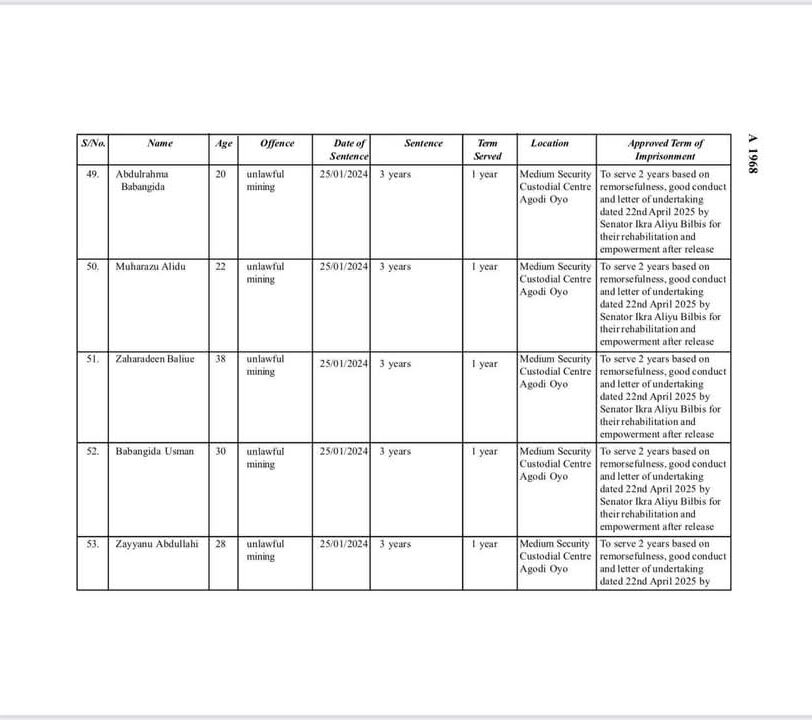
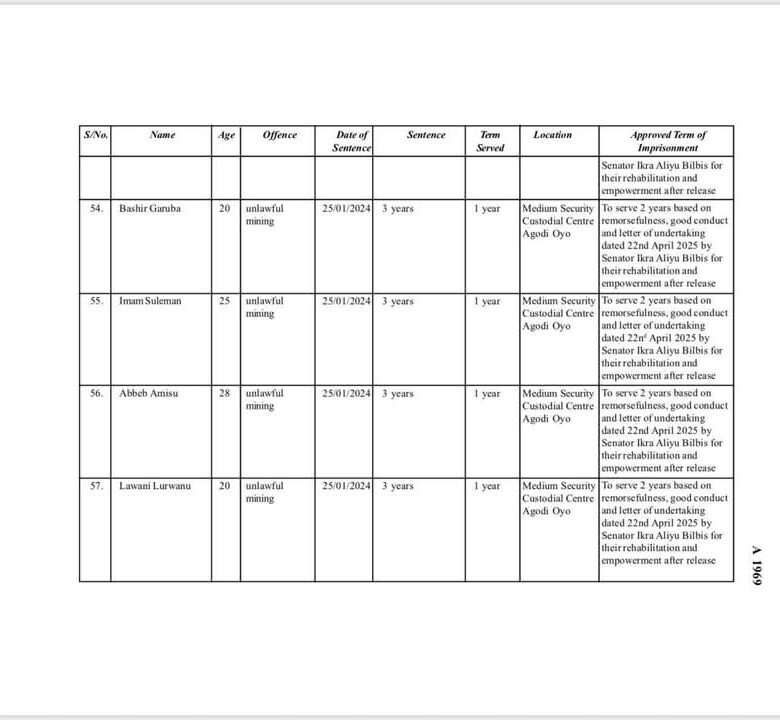
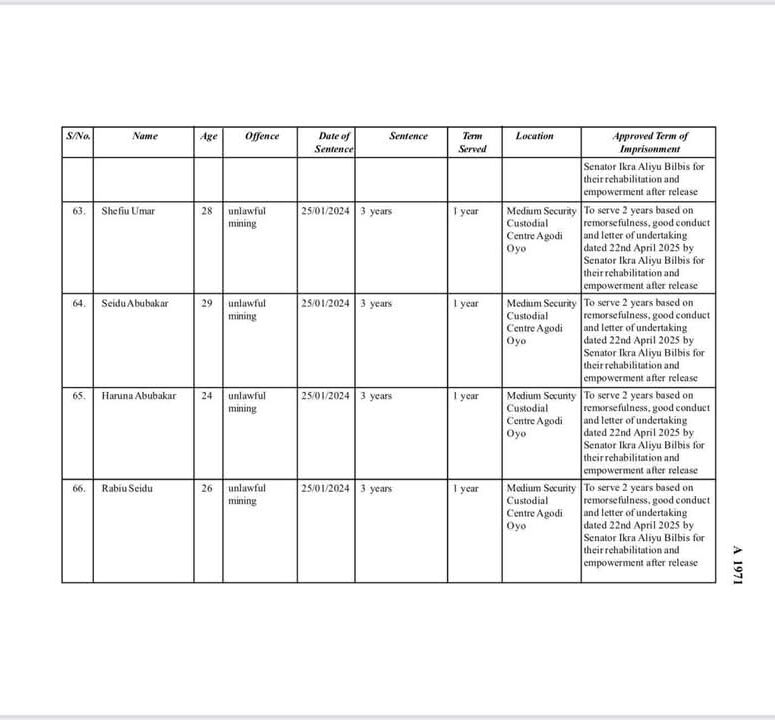
The final gazetted list, sighted by THEWILL, shows that clemency was granted to 27 individuals serving various prison terms across Nigeria’s correctional facilities. Among them are Yusuf Otondahi, Henry Iteg, Malam Ibrahim Shalman, and Patrick Mensah, who received commuted sentences ranging from life imprisonment to reduced jail terms based on age, rehabilitation, and vocational achievements.
The official gazette titled “S.I. No. 70 of 2025 — The Constitution of the Federal Republic of Nigeria (1999 as amended), Cap C23 Laws of the Federation of Nigeria, 2004 (Instrument of Presidential Prerogative of Mercy)” indicates that several inmates had their sentences reduced due to demonstrated remorse and good conduct.
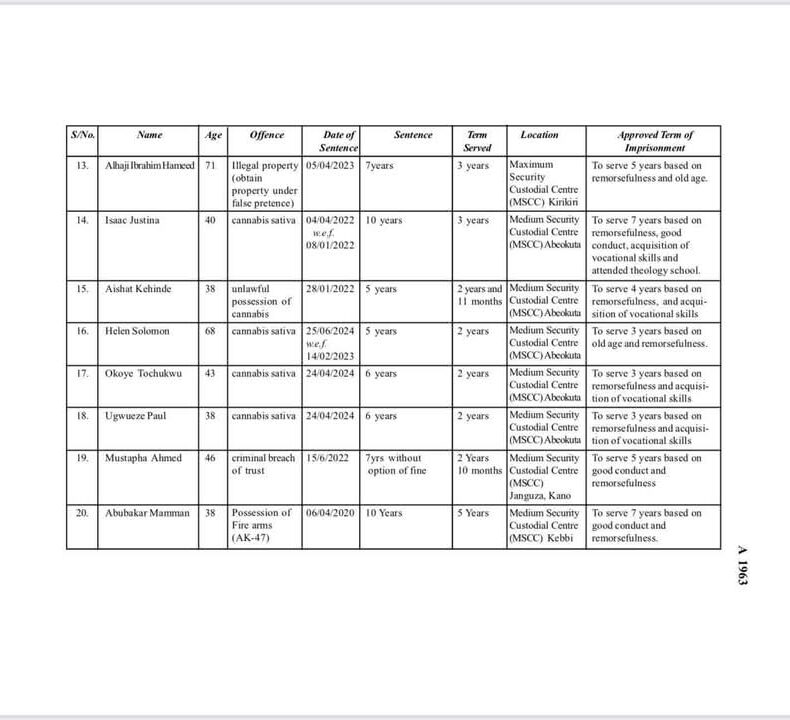
For instance, Yusuf Otondahi, aged 36, who was sentenced to life imprisonment for manslaughter in 2015, had his term reduced to 10 years. Similarly, Henry Iteg, convicted for the same offence in 2021, will now serve a 5-year reduced term. Others, like Helen Solomon and Akindele Kehinde, jailed for possession of cannabis sativa, had their sentences cut from 10 years to between 3 and 5 years based on rehabilitation and vocational achievements while in custody.
The clemency also extended to aged and medically challenged inmates, including Amin Ibrahim Liman (71), who was convicted for illegal property dealings, and Muhammad Bello Musa (67), serving a term for possession of firearms. Their terms were commuted based on age and ill health.
Notably, Maryam Sanda, who was convicted in 2020 by the FCT High Court for the murder of her husband, Bilyaminu Bello, son of former PDP National Chairman, Haliru Bello, was deliberately removed from the clemency list after review. She had been sentenced to death by hanging for stabbing her husband to death during a domestic altercation in 2017.
Her proposed inclusion in the earlier list had sparked outrage from women’s rights groups, civil society organisations, and the general public, who described it as a betrayal of justice and a setback in the fight against gender-based violence.
The Presidency clarified that President Tinubu’s final decision reflects his determination to apply the prerogative of mercy “strictly in line with justice, fairness, and national interest”.
“The President believes that granting clemency to individuals convicted of heinous crimes could erode the credibility of the justice system and weaken public confidence”, Onanuga said, adding that Tinubu’s approach is to make mercy a tool of justice rather than a reward for impunity.
He further stated that henceforth, the Federal Ministry of Justice will play a central role in screening and vetting all applications for presidential pardon to ensure that only deserving, non-violent, and rehabilitated offenders are considered.
THEWILL reports that this marks the first major overhaul of the Presidential Prerogative of Mercy process under the current administration, signalling a new era of integrity and restraint in the exercise of executive powers.
The move marks a significant policy shift under the Tinubu administration, reflecting a tougher and more transparent approach to executive clemency. By excluding Maryam Sanda and others convicted of violent crimes, the government aims to restore public confidence in the justice system and reaffirm its zero-tolerance stance on gender-based and violent offences.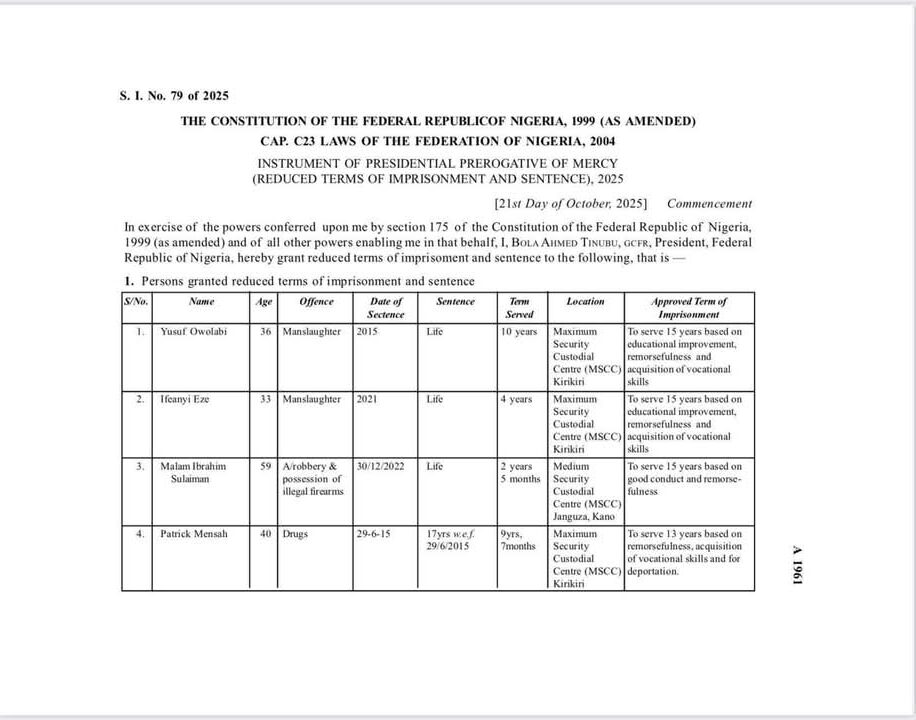

Felix Ifijeh is a journalist with years of professional reporting experience. Known for his keen news sense, compelling storytelling and commitment to accurate, impactful reporting, he has built a reputation for turning leads into clear, engaging, and well-structured reports that resonate with readers. His work reflects deep newsroom experience and a commitment to accurate, impactful journalism.