
-
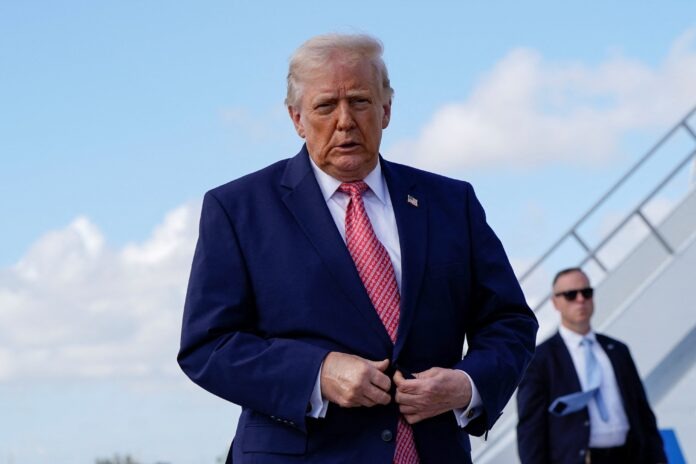
President Donald Trump announces that the Strait of Hormuz will remain open to all international commercial shipping, with only vessels travelling to and from Iranian ports subject to a U.S.-enforced blockade.
-
U.S. abandons its proposed 20% reimbursement fee on cargo transiting the strategic waterway, opting instead for trade and investment agreements with Gulf allies.
-
White House says the policy shift is aimed at strengthening economic partnerships while maintaining maximum pressure on Iran amid heightened regional tensions.
-
Shipping industry and energy markets welcome the reversal of the transit fee proposal, although analysts warn that the continued blockade on Iran-linked vessels could sustain geopolitical and oil market risks.
July 14, (THEWILL) — U.S. President Donald Trump on Tuesday declared that the Strait of Hormuz would remain open to all international commercial shipping except vessels travelling to and from Iranian ports, while announcing the withdrawal of his proposed 20% transit reimbursement charge in favour of new trade and investment agreements with Gulf allies.
The announcement marked a significant policy reversal after Trump’s earlier proposal to impose a 20% fee on commercial cargo transiting the strategic waterway sparked concerns among governments, shipping companies and energy markets over its legality and potential impact on global trade.
In a statement posted on his Truth Social platform, Trump said all ships would continue to enjoy free passage through the Strait of Hormuz except those linked to Iran, which remain subject to a U.S.-enforced maritime blockade.

“I have decided to replace the 20% U.S. reimbursement fee with trade and investment deals,” Trump said, arguing that agreements with Gulf partners would deliver greater economic benefits to the United States than imposing a levy on international shipping.
The White House later confirmed that the administration had abandoned plans for the transit fee and would instead pursue expanded commercial and investment partnerships with countries in the Gulf region.
Reuters reported that the decision followed consultations with regional allies and industry stakeholders who expressed concerns over the potential consequences of charging vessels for passage through one of the world’s busiest maritime corridors.
Iran-Linked Shipping Remains Under Blockade
While easing concerns for international shipping companies, Trump maintained that the United States would continue to enforce what he described as a “full blockade” on ships travelling to and from Iranian ports.
The measure forms part of Washington’s broader strategy to intensify economic and diplomatic pressure on Tehran following renewed military confrontations in the Gulf and recent attacks involving commercial shipping.
U.S. officials said the restrictions would target vessels directly engaged in trade with Iranian ports, while ships destined for other countries would continue to enjoy unrestricted passage through the Strait of Hormuz.
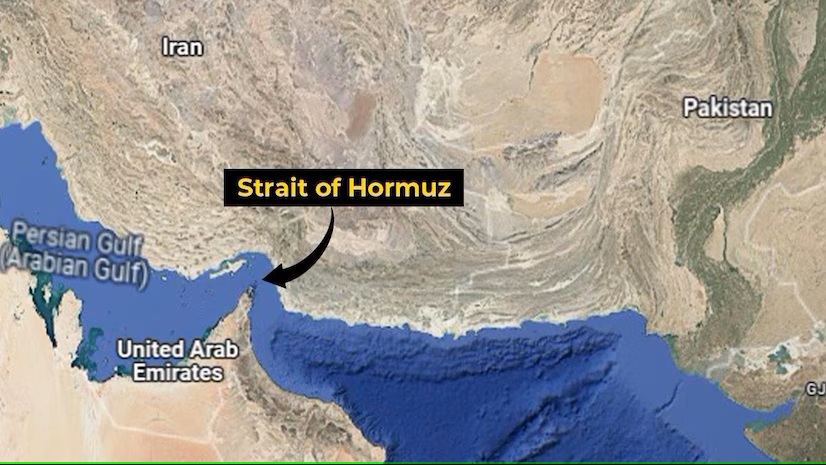
The narrow waterway between Iran and Oman carries nearly one-fifth of the world’s seaborne crude oil and a significant share of global liquefied natural gas exports, making it one of the most strategically important shipping routes in the world.
Markets React To Policy Shift
Financial markets and shipping operators had reacted nervously to Trump’s original proposal, warning that imposing transit charges could increase shipping costs, insurance premiums and global energy prices.
Oil prices initially rose following the announcement of the proposed reimbursement fee before moderating after Trump disclosed that the levy would be replaced with trade and investment agreements.

Felix Ifijeh is a journalist with years of professional reporting experience. Known for his keen news sense, compelling storytelling and commitment to accurate, impactful reporting, he has built a reputation for turning leads into clear, engaging, and well-structured reports that resonate with readers. His work reflects deep newsroom experience and a commitment to accurate, impactful journalism.
