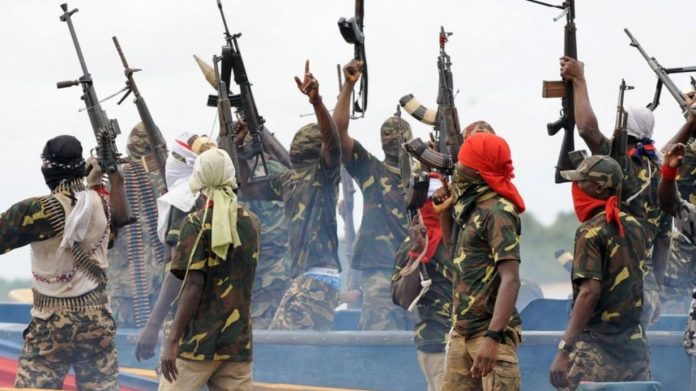
November 16, (THEWILL) – The United States Agency for International Development (USAID) has identified youth unemployment, poverty and other economic vices as factors fueling kidnappings, armed robbery and other violent crimes in Akwa Ibom state and Nigeria.
Speaking in an interaction with select journalists in Uyo on accountability, transparency and effectiveness from state to state, the USAID Team Lead in the state, Borve Paago-Imabel expressed worries that if left unchecked, the problem has the potential to threaten the prevailing peace ahead of 2023 general elections.
He advocated for a holistic action plan by governmental and non-governmental actors, including the traditional and religious institutions, to nip the problem in the bud.

“Conflict assessment reveals a lot of issues in the state. One major issues that was found is the role of unemployment and that may directly lead to poverty, so people are agitating. Another one is land dispute, and there seem to be a lot of communal land disputes in the state which lead to a lot of issues, noticed across the various regions of the state.
“Another disturbing issue is the siting of Ibom Deep Seaport and what all these points to is that, it is only pertinent for the government to sit down and re-plan its security and peace building architecture to be able to address these types and levels of complaints.
“If you travel beyond the state, Akwa Ibom is adjudge as one of the most peaceful in Nigeria, but that doesn’t remove Akwa Ibom state from experiencing it’s measures of conflicts,
“The government has to be more deliberate in actualizing the industrialization policy which this present administration has designed for itself as an umbrella to cushion the issues in the society.
“The actualization of that policy will help to remove most of the vulnerable from the stage of idleness into a more meaningful state and they will no more be element of destabilization, one of the issues in report is that people value and respect traditional institutions as arbitrators in office, so the question is are we also giving the prominence to these institutions function that would mitigate conflicts in the state? It a broad conflicts but government can handle it with the determination of the government at any point in time.”
Borve explained that the USAID has been working in collaboration with the state government to develop key strategies to provide seamless implementation of key policies and programmes of government, especially in the area of budget.
“In terms of flash points, there are more which you can’t say this is the worst conflict, except where there have been an exacerbation, so it only point to a worst situation of violence like when communities in Rivers and Akwa Ibom were affected and the roads were blocked for weeks, so those were the major flash points”.
“What we are set up to do is to look at conflicts arising from failures in implementation of budgets that should address citizens’ needs, so we are pointing to these Ministries, Department and Agencies (MDAs) to make their programmes more meaningful to relevant people.
“And, additionally, we are building capacities of other stakeholders to serve as conflicts mitigation platforms in the state and the next phase of which will be held in a week time is also bringing in person drawn from the state councils of traditional rulers and other community persons including the states political parties, because you can not talk about political conflicts without involving those parties, it will address the conflicts that arise from politics. Politics are supposed to define the means for development and where there’s a derailment, it means they have failed to align,” Borve stressed.