-
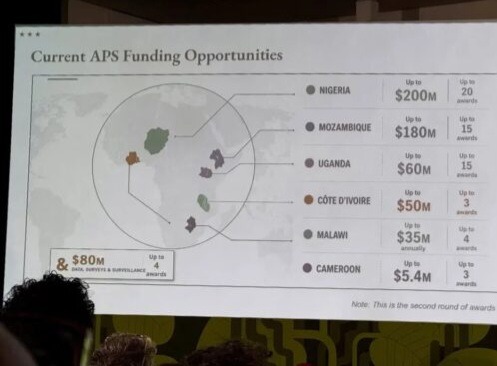
The US State Department has apologised after an official presentation at the AIDS 2026 Conference displayed an AI-generated map that incorrectly labelled Nigeria and several other African countries.
-
The erroneous map misplaced Nigeria as a landlocked nation, relocated Côte d’Ivoire and Mozambique, and contained multiple geographical inaccuracies across the African continent.
-
US officials blamed the incident on a last-minute alteration to the presentation, while Reuters reported that the image carried an OpenAI watermark indicating it was generated using artificial intelligence.
-
Global health experts say the embarrassing error reflects broader concerns about the growing reliance on AI tools in official government communications and diplomacy.
July 31, (THEWILL) — The United States Department of State has apologised after an official presentation at the AIDS 2026 Conference in Rio de Janeiro displayed an artificial intelligence-generated map that incorrectly labelled Nigeria and several other African countries, triggering criticism over the accuracy of official US government communications.
THEWILL reports that the map, shown during a presentation on the State Department’s new global health agreements, wrongly identified the locations and boundaries of countries across Africa.
According to Reuters, which reviewed footage of the presentation, virtually every country on the continent was either misplaced, misidentified or incorrectly labelled.

Among the most glaring errors, Nigeria was depicted as a landlocked country despite its Atlantic coastline, while Mozambique was incorrectly positioned as an East African nation and Côte d’Ivoire was shown in Southern Africa. Uganda and Malawi appeared in approximately the correct locations but with inaccurate borders, while Cameroon had no connecting marker identifying its location. One country was reportedly left unnamed altogether.
State Department Accepts Responsibility

Following widespread criticism, the US State Department acknowledged the error and issued an apology, accepting full responsibility for the inaccurate presentation.
In a statement to HuffPost, a department spokesperson said the confusion and misrepresentation, particularly involving African partners, resulted from a team member who hastily modified the slide deck shortly before the presentation.
“We take full responsibility for the confusion and misrepresentation, including our African partners”, the spokesperson said, adding that the mistake did not reflect the department’s commitment to its relations across the continent.
Reuters also reported that its analysis of the presentation found an artificial intelligence watermark indicating that the map had been created using OpenAI tools. The company said it was investigating the report.
Experts Raise Concerns Over AI Use
The incident has sparked broader debate over the growing use of artificial intelligence in official government communications and the need for rigorous human oversight.
Emily Bass, an expert consultant for Physicians for Human Rights who attended the conference, said the flawed map symbolised deeper concerns about the current leadership of the Bureau of Global Health Security and Diplomacy and its approach to Africa’s HIV response.
Bass said the incident reflected what she described as a troubling disregard for evidence and historical realities surrounding the continent’s HIV programmes since changes to US foreign aid policies began.
The diplomatic embarrassment has since attracted international attention, with observers warning that official reliance on AI-generated materials without adequate verification could undermine credibility, particularly in engagements with strategic partners across Africa.
Felix Ifijeh is a journalist with years of professional reporting experience. Known for his keen news sense, compelling storytelling and commitment to accurate, impactful reporting, he has built a reputation for turning leads into clear, engaging, and well-structured reports that resonate with readers. His work reflects deep newsroom experience and a commitment to accurate, impactful journalism.