
June 14, (THEWILL) — The FIFA World Cup 2026 finally roared into life on Thursday, delivering an opening day rich in drama, tactical intrigue and talking points that immediately captured the attention of football fans around the world.
Within just two matches, supporters witnessed five goals, a comeback victory, disciplinary controversies and several standout individual performances that offered an early glimpse into what could become one of the most fiercely contested World Cups in recent memory.
As the dust settled on the opening day’s action, Mexico and South Korea emerged with victories that strengthened their positions in their respective groups and reinforced growing optimism about their chances of progressing deep into the tournament. For South Africa and Czechia, however, the first day exposed weaknesses that will require urgent attention if their campaigns are to remain on track.

While it is far too early to identify genuine title contenders, opening matches often reveal which teams are prepared for the pressures of tournament football and which sides still have significant adjustments to make.
Mexico Deliver Under Home Pressure
Few assignments in international football carry as much pressure as opening a World Cup on home soil. Expectations from supporters, media scrutiny and the weight of history can easily become overwhelming. Mexico, however, embraced the occasion.
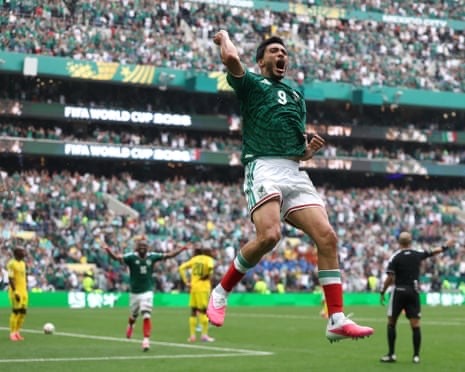
The co-hosts produced a composed and disciplined performance to defeat South Africa 2-0, becoming the first winners of the 2026 tournament and sending a strong message to the rest of the competition.
From the opening whistle, Mexico looked settled. Their midfield controlled possession, their defensive shape remained compact and their attacking movement consistently stretched the South African backline.
The breakthrough came through Julián Quiñones, whose intelligent movement and clinical finishing rewarded Mexico’s early dominance. The goal immediately lifted the atmosphere inside the stadium and settled any nerves that may have existed within the host nation’s squad.
Veteran striker Raúl Jiménez later added a second goal, demonstrating once again why experience remains one of football’s most valuable commodities at major tournaments.
Although the result itself was important, Mexico’s overall organisation may have been the most encouraging aspect of the performance. Their players appeared comfortable in possession and rarely looked vulnerable defensively.
The performance suggested that coach Javier Aguirre has succeeded in creating a team capable of balancing attacking ambition with defensive discipline.
Quiñones emerged as one of the most influential players on the pitch. His ability to find space between defensive lines repeatedly unsettled South Africa and offered further evidence that he could become one of Mexico’s most important players during the tournament.
Jiménez, meanwhile, showed that intelligence can often compensate for declining pace. His movement, awareness and ability to link play were crucial throughout the contest.
For Mexico, the opening victory was about more than three points. It was a confidence-building performance that removed early pressure and allowed the hosts to settle into the tournament.
South Africa’s Discipline Problems Surface
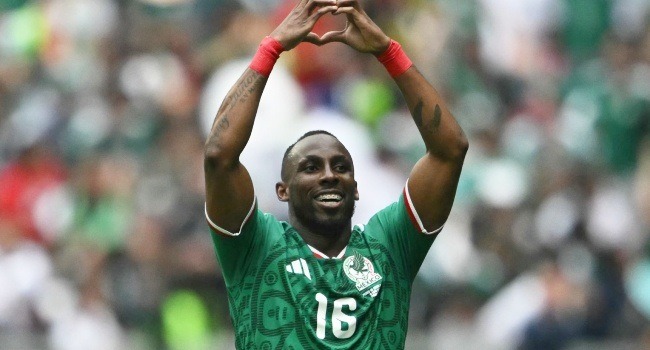
If Mexico’s display generated optimism, South Africa’s performance raised concerns. The African side began the match with energy and determination, but their challenge gradually unravelled as the game progressed.
Goalkeeper Ronwen Williams was among the few players to emerge with significant credit. His saves prevented the scoreline from becoming more damaging and highlighted why he remains one of the most reliable goalkeepers on the continent.
Yet football matches are rarely won through goalkeeping alone.
South Africa struggled to retain possession in key moments and repeatedly found themselves chasing the game. More damaging, however, was their inability to maintain discipline.
The match became increasingly physical and confrontational, resulting in a series of incidents that shifted attention away from football and onto officiating decisions. At a tournament where FIFA has made it clear that discipline will be strictly enforced, South Africa’s loss of composure proved costly.
Several players appeared rattled by the occasion and made poor decisions under pressure. Mistakes in possession handed momentum back to Mexico, while disciplinary problems disrupted any possibility of building sustained attacks.
The result leaves South Africa facing a difficult challenge in their remaining group matches. Improvement will be required not only tactically but also mentally.
South Korea Announce Their Intentions
While Mexico’s victory may have followed expectations, South Korea’s 2-1 comeback triumph over Czechia provided one of the first genuine statements of intent of the tournament.
The Koreans demonstrated resilience, patience and tactical intelligence after falling behind to a first-half goal from Czech captain Ladislav Krejcí.
Many teams struggle to recover after conceding first in a World Cup match. South Korea responded differently.
Rather than panic, they gradually tightened their grip on midfield and began controlling the rhythm of the contest.
The architect of that turnaround was Hwang In-beom.
The midfielder delivered arguably the most complete individual performance of the opening day, combining creativity, composure and leadership.
His equalising goal transformed the mood of the contest and shifted momentum decisively towards the Asian side. He later provided the assist for substitute Oh Hyeon-gyu’s winning goal, completing a display that immediately placed him among the tournament’s early standout performers.
Beyond his direct contributions, Hwang consistently dictated play and demonstrated the importance of controlling central areas of the pitch.
Captain Son Heung-min also played a crucial role despite not finding the scoresheet. His movement occupied defenders, created space for teammates and ensured South Korea remained dangerous throughout the encounter.
The victory highlighted the growing maturity of a South Korean side that appears capable of competing with stronger opponents.
For Czechia, the defeat was frustrating because they had initially executed their game plan effectively.
After taking the lead, they struggled to maintain possession and gradually lost control of midfield. Their inability to respond once South Korea increased the intensity of their play ultimately proved decisive.
Officiating Comes Under The Spotlight
No World Cup is complete without discussions about refereeing standards, and the first day ensured officials would immediately find themselves under scrutiny.
The Mexico-South Africa encounter proved particularly challenging for the refereeing team. Multiple disciplinary incidents, dismissals and VAR interventions interrupted the flow of the match and required firm decision-making.
Although many of the major calls appeared justified, the frequency of stoppages inevitably generated debate among supporters and analysts.
The challenge facing FIFA officials throughout the tournament will be maintaining consistency while avoiding unnecessary disruption to matches.
By contrast, the South Korea-Czechia fixture demonstrated how effective officiating can often go unnoticed. Referees managed the contest calmly and efficiently, allowing the players to remain the central focus.
The contrast between the two matches highlighted the delicate balance officials must strike between enforcing the laws of the game and preserving football’s natural rhythm.
Early Trends Beginning To Emerge
While two matches represent only a small sample size, several themes are already becoming apparent.
Discipline could become a defining factor. Teams unable to control emotions may find themselves punished severely under FIFA’s strict approach.
Experienced players continue to demonstrate their value at the highest level. Jiménez and Son Heung-min both provided leadership and composure that younger teammates could rely upon during difficult moments.
Midfield control has also emerged as a critical factor. Mexico’s dominance over South Africa and South Korea’s comeback against Czechia were both built upon superiority in central areas.
Perhaps most importantly, the opening day reinforced the unpredictability that makes the World Cup unique. Momentum shifted quickly, underdogs showed ambition and individual brilliance influenced outcomes.
For football supporters, it was a reminder that every match matters and every mistake can prove costly.
Mexico have delivered the performance expected of a host nation. South Korea have shown they possess the resilience and quality to challenge stronger opponents. South Africa and Czechia, meanwhile, have difficult questions to answer before their next fixtures.
If the opening day is any indication, World Cup 2026 is already shaping up to be a tournament full of drama, quality and unforgettable moments.

Olumide Atiba
