
-
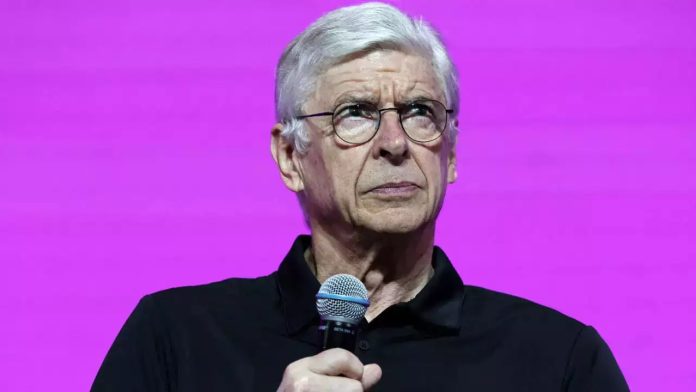
Arsène Wenger says he had no role in FIFA’s controversial World Cup commercial sell-off proposal.
-
The former Arsenal manager insists he only learned about the plan through media reports.
-
His statement comes after FIFA abandoned the proposal following fierce opposition from UEFA and several football associations.
Aug 04, (THEWILL) — For more than a week, Arsène Wenger remained noticeably silent as FIFA became engulfed in one of the biggest governance crises of Gianni Infantino’s presidency. While UEFA, CONCACAF and several national football associations publicly opposed the proposal to sell part of FIFA’s commercial rights to private investors, the former Arsenal manager avoided making any public comment.
That silence has now ended.
In a detailed statement released through FIFA, Wenger sought to draw a clear line between his work at world football’s governing body and the controversial FIFA Forward Enterprise (FFE) proposal that has shaken confidence in Infantino’s leadership.

The project, which was eventually abandoned, centred on plans to create a new commercial entity that would own a significant portion of FIFA’s World Cup business. Reports suggested private investors were prepared to inject up to $40 billion into the venture in exchange for a 20 percent stake, while FIFA’s 211 member associations were expected to receive financial incentives if the proposal secured approval.
The idea quickly triggered widespread resistance. European football leaders argued that the deal threatened FIFA’s independence and raised serious governance concerns, eventually forcing Infantino to withdraw the proposal after days of mounting pressure.
With questions continuing to swirl over who inside FIFA backed the initiative, Wenger insisted he had no involvement whatsoever.
“The recent events at FIFA deserve some clarity from my side”, Wenger wrote before explaining the responsibilities attached to his position as FIFA’s Chief of Global Football Development.
Rather than participating in commercial negotiations, Wenger said his work focuses almost entirely on football development. According to him, his department oversees technical analysis of the game, FIFA’s online coaching and education platforms, youth competitions and the organisation’s global academy network.
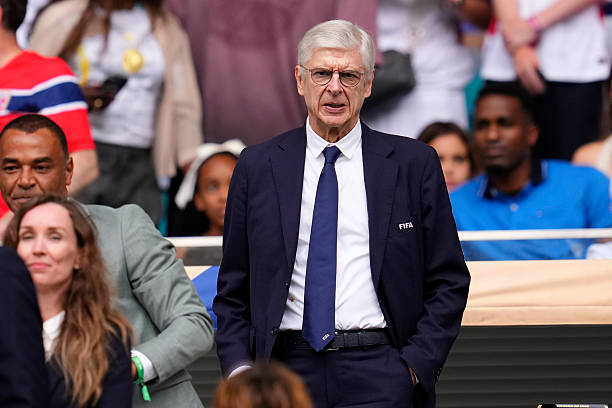
He revealed that FIFA currently operates development academies in 60 countries, specifically targeting regions where structured football education is most needed. Wenger also highlighted his advisory role with the International Football Association Board (IFAB), where he contributes to discussions on the Laws of the Game.
Most importantly, however, he stressed that none of those responsibilities included involvement in FIFA’s commercial restructuring.
“I was not involved in this strategic plan and first became aware of the project through media reports”, Wenger stated.
The clarification marks the first time the Frenchman has publicly addressed the controversy.
Although Wenger carefully avoided mentioning Infantino by name, his support for FIFA’s decision to abandon the proposal was unmistakable. He described the withdrawal as “absolutely necessary and beyond question”, adding that football’s global governing body must continue to operate with transparency, integrity and independence.
His comments also arrive at a politically delicate moment.
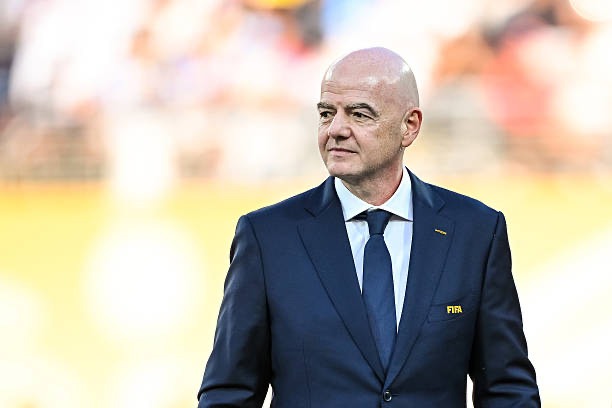
The failed proposal has left Infantino facing growing criticism from influential football stakeholders. UEFA has openly questioned his leadership, while England’s Football Association and the Football Association of Wales have both withdrawn their support for his expected re-election campaign ahead of FIFA’s presidential election in March 2027.
Adding another layer to the controversy, UEFA has reportedly instructed lawyers to preserve communications involving several senior FIFA officials as part of potential future legal proceedings. Wenger’s name is understood to be among those listed for document preservation, although he has now publicly made it clear that he neither participated in nor helped shape the commercial proposal.
Unlike former FIFA adviser Carlos Cordeiro, who resigned amid the fallout, Wenger has chosen to remain in his role while reaffirming that his focus remains football development rather than boardroom politics.
For African football, Wenger’s explanation may carry significance beyond FIFA’s internal power struggle.
His emphasis on youth development programmes and FIFA’s expanding academy network highlights one of the areas where African federations could potentially benefit if governance stability is restored. Nations such as Nigeria continue to produce elite football talent despite limited development infrastructure, making FIFA-backed academies and technical education programmes increasingly important for the continent’s future.
With Infantino’s authority now facing its biggest challenge since becoming FIFA president, many observers believe African member associations could gain greater influence in shaping future investment priorities. Whether that translates into stronger support for grassroots football and youth development across the continent remains one of the key questions emerging from FIFA’s latest political crisis.

