
-
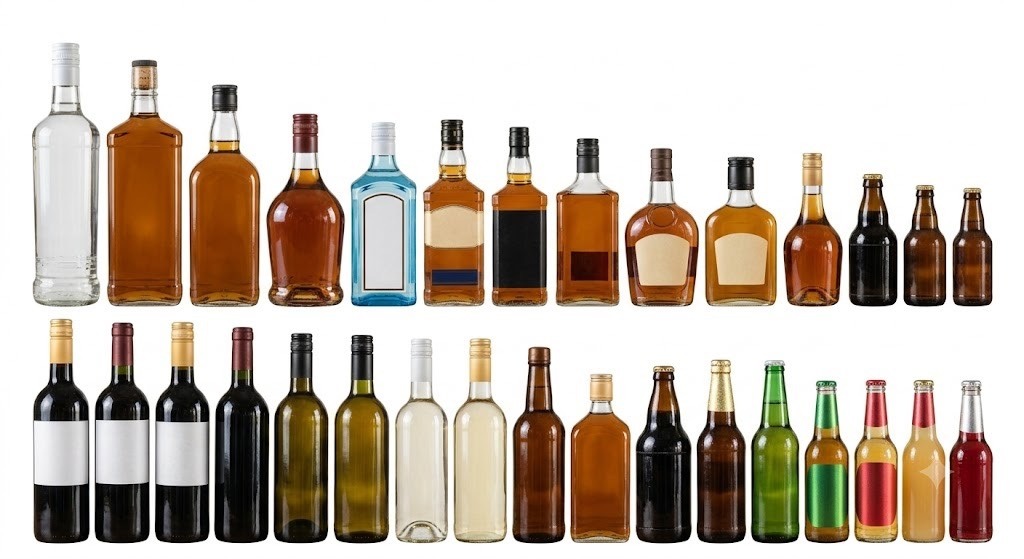
An unbranded assortment of spirits, wines, and bottled beers, representing the wide spectrum of products driving the country’s multi-trillion naira beverage sector. Source: TheWill Newspaper
-
Nigerians spent about ₦1.41 trillion on beer, malt and spirits in the first half of 2026, according to the combined financial results of Nigerian Breweries, Guinness Nigeria and International Breweries.
-
Price increases, easing foreign exchange pressure and stronger margins lifted profits across the industry.
August 5, (THEWILL) — Younger consumers are broadening their choices beyond traditional beer, prompting brewers to invest heavily in spirits, ready-to-drink products and non-alcoholic beverages.
The country’s biggest brewers spent more than ₦130 billion on marketing and over ₦100 billion expanding production despite a difficult economy.
For an economy under pressure, Nigerians are still finding room to raise a glass.

The country’s three biggest brewing companies recorded a combined ₦1.41 trillion in revenue during the first six months of 2026, a figure that speaks to the size of Nigeria’s formal alcohol market even as households continue to battle inflation and higher living costs.
Hidden inside those earnings, though, is another story.
Beer is still big business, but it no longer tells the whole story of what Nigerians are drinking or how the industry’s biggest players are planning for the future.
An analysis of the half-year financial statements of Nigerian Breweries, Guinness Nigeria and International Breweries shows an industry that has regained its footing after two bruising years marked by foreign exchange losses and soaring production costs.
Together, the companies account for about 90 per cent of Nigeria’s formal brewing market.
Selling Drinks In A Different Nigeria
Nigerian Breweries remained the industry’s largest player after posting ₦803.7 billion in revenue, up nine per cent from the same period last year.
Guinness Nigeria reported ₦265 billion, an increase of 11.8 per cent, while International Breweries generated ₦342.1 billion, almost unchanged from a year earlier.
Those figures did not happen by chance.
All three companies adjusted prices earlier this year as rising energy, logistics and raw material costs squeezed operating expenses.
At the same time, the pressure created by the naira’s sharp depreciation has eased compared with the crisis that battered company balance sheets in 2023 and 2024.
That combination helped lift total pre-tax profit across the three brewers to ₦269.4 billion, almost one-quarter higher than the same period last year.
However, pricing explains only part of the picture.
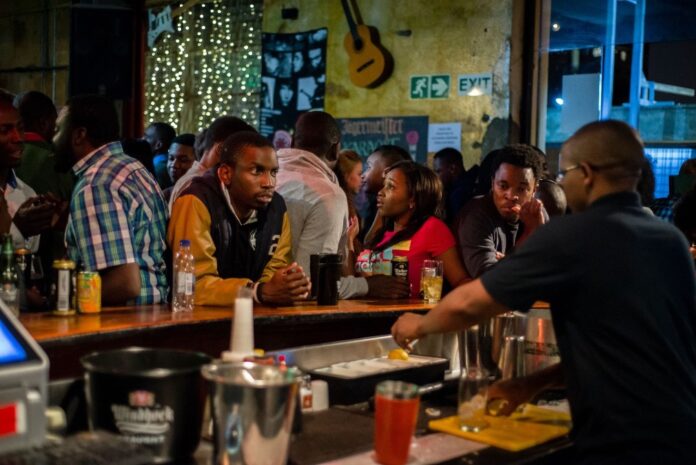
Walk into a supermarket, neighbourhood bar or lounge today and it becomes clear that younger consumers are building different drinking habits from the generations before them.
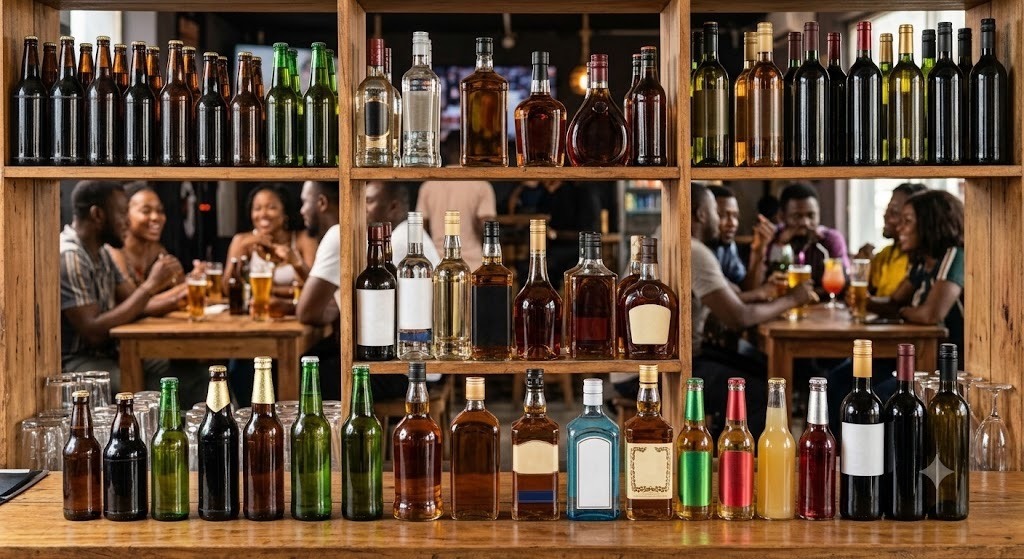
Beer still occupies the biggest shelf space, but spirits, flavoured alcoholic drinks, ready-to-drink cocktails and premium non-alcoholic beverages are attracting growing attention.
Instead of relying on a single category, many consumers are choosing drinks that match different occasions, tastes and lifestyles.
The country’s biggest brewers have been paying close attention.
Guinness Nigeria’s portfolio now stretches well beyond stout to brands such as Orijin, Gordon’s, Captain Morgan, Smirnoff Ice, Malta Guinness and Dubic Malt.
Rivals are also broadening their offerings as competition moves beyond lager and into almost every corner of the beverage market.
That race is showing up in company spending.
The three brewers invested more than ₦130.6 billion in advertising and marketing during the first half of the year, while another ₦103.3 billion went into factories, equipment and production capacity.
Companies rarely spend that kind of money defending yesterday’s market. They spend it preparing for tomorrow’s customers.
Investors, though, remain careful.
Despite stronger profits, Nigerian Breweries’ shares have lost ground over the past six months, while International Breweries has also traded lower.
Guinness Nigeria has been the exception, supported by renewed investor confidence following Tolaram’s acquisition and a return to healthier earnings.
Taken together, the results offer a useful snapshot of where corporate Nigeria finds itself today. Consumers are still spending, although they are making more deliberate choices.
Businesses have recovered from one of the toughest cost cycles in recent memory, but they know yesterday’s formula cannot guarantee tomorrow’s growth.
That is why the real story behind ₦1.41 trillion is not how much Nigerians spent on alcohol.
It is how quickly one of the country’s oldest consumer industries is learning that keeping up with changing tastes may matter just as much as brewing a good beer.

