
-
Gianni Infantino survived the biggest leadership crisis of his FIFA presidency after an emergency meeting in Morocco ended with the governing body’s top executives publicly reaffirming their support.
-
FIFA admitted mistakes in handling the controversial FIFA Forward Enterprise (FFE) proposal, with Infantino issuing a rare apology.
-
The meeting exposed deep divisions within world football, as UEFA, several national associations, and prominent football figures continue to question Infantino’s leadership.
August 6, (THEWILL) — Gianni Infantino remains FIFA president, but the emergency meeting that unfolded in Rabat, Morocco, may go down as one of the most consequential gatherings in the governing body’s modern history.
Convened after days of mounting criticism over FIFA’s abandoned plan to sell stakes in its commercial and competition rights through the proposed FIFA Forward Enterprise (FFE), the meeting was seen as a make-or-break moment for Infantino’s presidency.
While the FIFA chief emerged with the backing of senior executives, the discussions also laid bare deep divisions within global football.

Here are the seven biggest decisions and revelations from the meeting:
1. FIFA Executives Reaffirmed Support for Infantino
The clearest outcome was that Infantino survived.
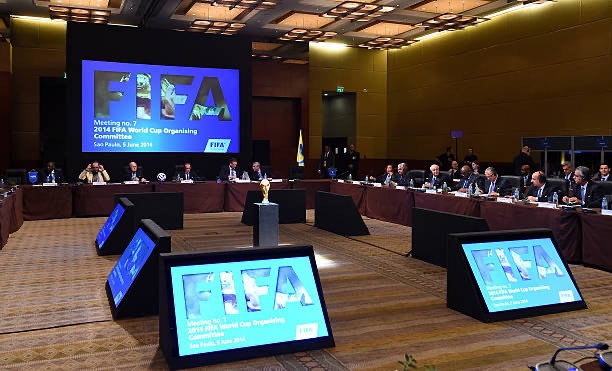
After hours of discussions at FIFA’s Africa office in Rabat, the FIFA Management Board publicly reaffirmed its full support for the Swiss administrator, ending immediate speculation that he could be forced from office.
The backing means Infantino remains firmly in charge as he prepares to seek a fourth term as FIFA president in 2027, despite facing the most serious challenge of his decade-long leadership.
2. Infantino Issued Public Apology
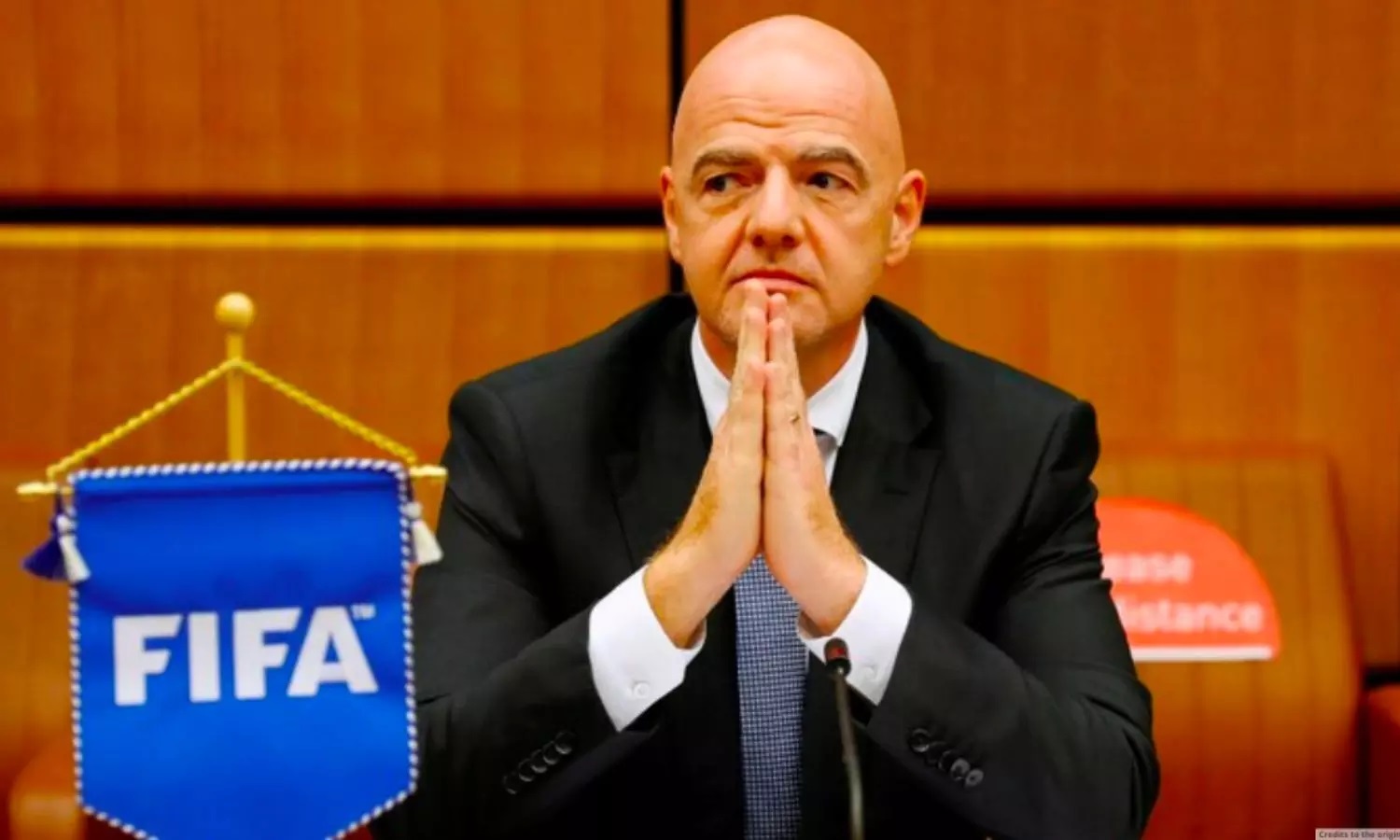
In a significant shift from his usual approach, Infantino acknowledged mistakes in the handling of the FFE proposal.
Alongside FIFA Secretary General Mattias Grafström, he sent a letter to FIFA’s vice-presidents, Council members, and all 211 member associations apologising for the process and admitting that the proposal should have been handled differently.
The apology marked one of the few occasions during his presidency that Infantino has publicly accepted responsibility for a governance controversy.
3. FIFA Officially Admitted the Process Was Mishandled
Beyond the apology, FIFA itself acknowledged procedural failures.
The governing body admitted that member associations and FIFA Council members felt excluded from discussions surrounding the proposed private investment plan and conceded that communication after the proposal leaked to the media was poorly handled.
FIFA also pledged to improve transparency and governance in future decision-making.
4. The FIFA Forward Enterprise Plan Is Effectively Dead
One of the meeting’s biggest outcomes was confirmation that the controversial FFE proposal has been shelved.
The plan would have allowed private investors to acquire stakes in FIFA’s commercial and tournament operations, including future men’s and women’s World Cups, in exchange for major financial investment.
Following widespread opposition from UEFA, CONCACAF, senior FIFA officials, and several national associations, the proposal has now been abandoned.
5. FIFA Drew a Line Against Further Attacks
Although admitting mistakes, FIFA also adopted a firm stance in defence of its leadership.
In its official statement, the organisation warned it would “no longer tolerate attacks” on its integrity, governance and decision-making processes, adding that it would take all necessary steps to protect its reputation.
The message suggested FIFA intends to move beyond the controversy rather than continue debating the failed proposal.
6. Opposition to Infantino Remains Strong
Despite the public show of unity inside FIFA, the meeting did little to silence critics.
UEFA continues to say it has lost confidence in Infantino’s leadership, while several national associations, including Wales, have withdrawn support for his re-election bid.
Former Portugal international Luis Figo has called on Infantino to resign immediately, and Canadian Prime Minister Mark Carney has also publicly declared he no longer has confidence in the FIFA president.
The meeting may have secured Infantino’s short-term future, but the political battle surrounding his leadership is far from over.
7. The Race for FIFA’s 2027 Presidency Has Already Begun
Perhaps the biggest long-term takeaway is that attention has now shifted toward the next FIFA presidential election.
Candidates have until November 18 to declare their intention to challenge Infantino, with the election scheduled for the FIFA Congress in Morocco in March 2027.
Although Infantino still commands significant backing across Africa and Asia through FIFA’s development programmes, the controversy has energized his opponents, setting the stage for what could become the most fiercely contested FIFA presidential race in years.
The emergency meeting may have saved Gianni Infantino’s presidency for now, but it has not erased the governance concerns raised over the failed FFE proposal.
While FIFA executives have closed ranks around their president, confidence remains fractured across sections of world football, particularly in Europe.
With reform demands growing and the 2027 presidential election approaching, the fallout from the Rabat meeting is likely to shape FIFA politics for months and perhaps years to come.

