-
NERC’s latest directive has ignited a dispute over who has the authority to regulate electricity investments as Nigeria’s power market becomes increasingly decentralised.
-
DisCos and state regulators argue the Order goes beyond NERC’s powers, while the Commission says it is safeguarding funds meant for network upgrades.
-
The outcome could shape investor confidence, electricity infrastructure spending and the future balance of power under the Electricity Act 2023.
July 16, (THEWILL) — Nigeria’s evolving electricity market is facing one of its biggest regulatory tests yet after a new directive from the Nigerian Electricity Regulatory Commission (NERC) ignited a dispute over who has the authority to regulate electricity investments and commercial decisions in the country’s decentralising power sector.
The disagreement, which has drawn in electricity distribution companies (DisCos), state electricity regulators, the Federal Ministry of Power and lawmakers, extends well beyond a single regulatory order. At stake is the future balance of power between the federal regulator and state electricity commissions as Nigeria implements the Electricity Act 2023, which allows states to establish and regulate their own electricity markets.
Why NERC’s Order Is Facing Resistance

The controversy centres on NERC’s Order on Successor Distribution Companies’ Utilisation of Earned Non-Administrative Operating Expenditure, which took effect on July 1, 2026.
The directive requires DisCos to channel a significant share of surplus operating revenues towards capital expenditure, network upgrades and market debt repayment, while obtaining NERC’s approval before the funds can be deployed.
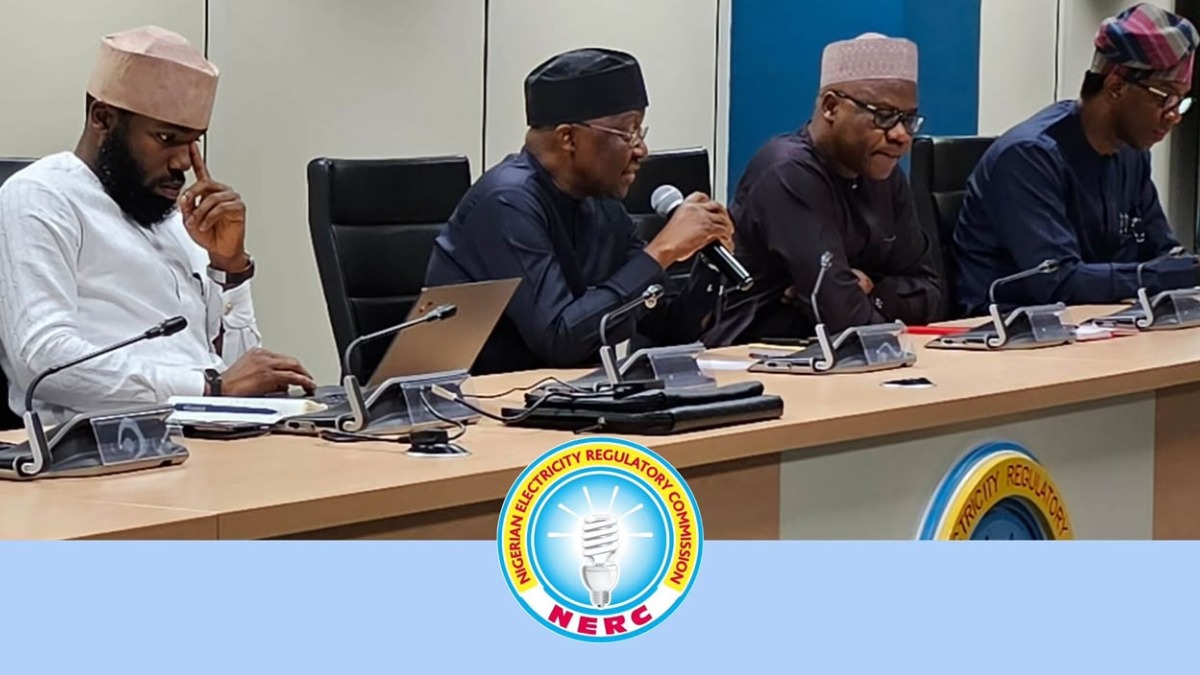
According to industry sources, representatives of NERC, the Federal Ministry of Power, State Electricity Regulatory Commissions (SERCs), the Senate Committee on Power and other stakeholders have already met to address the growing disagreement. The meeting reportedly agreed to establish a seven-member committee to review the issues and recommend a path forward.
Although the electricity distribution companies have yet to issue a formal public response, discussions with regulators are continuing as stakeholders seek common ground.
The Bigger Fight Over Regulatory Powers
While the Order focuses on how DisCos deploy surplus operating revenues, the broader disagreement is about regulatory authority.
State electricity regulators argue that once oversight has been transferred under the Electricity Act 2023, commercial regulation of electricity markets operating entirely within participating states should rest with the relevant State Electricity Regulatory Commission rather than NERC.
The Commission, however, maintains that the directive is intended to ensure revenues collected through electricity tariffs are invested in strengthening distribution infrastructure, improving network reliability and expanding electricity access.
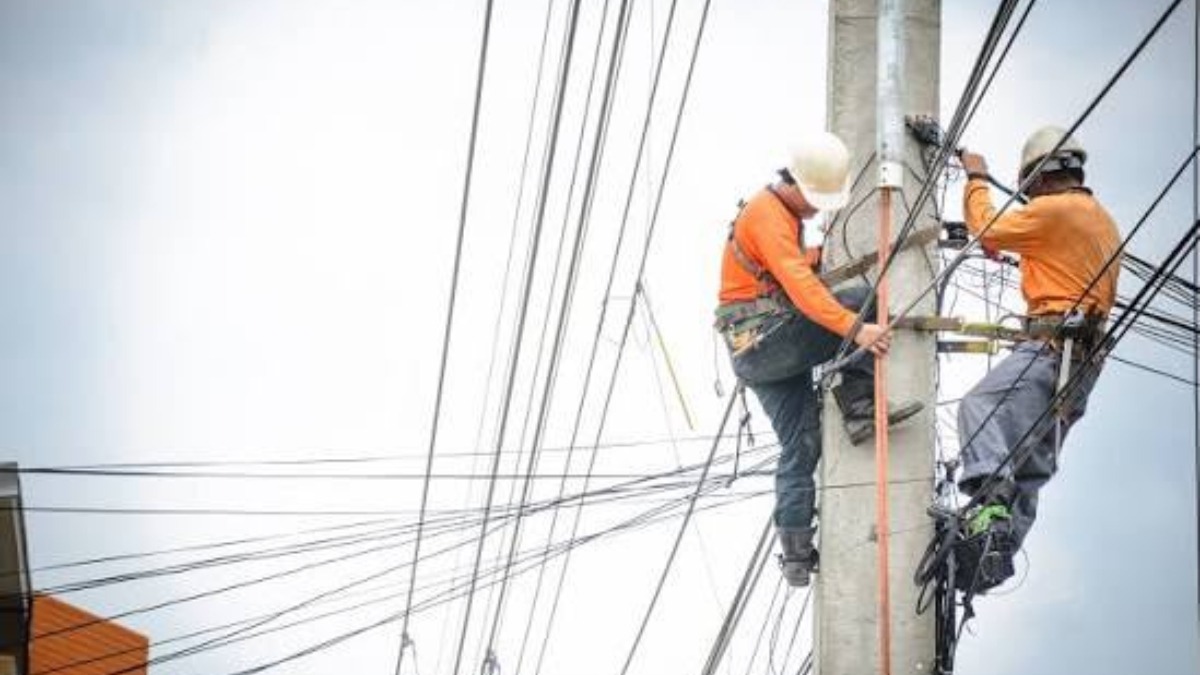
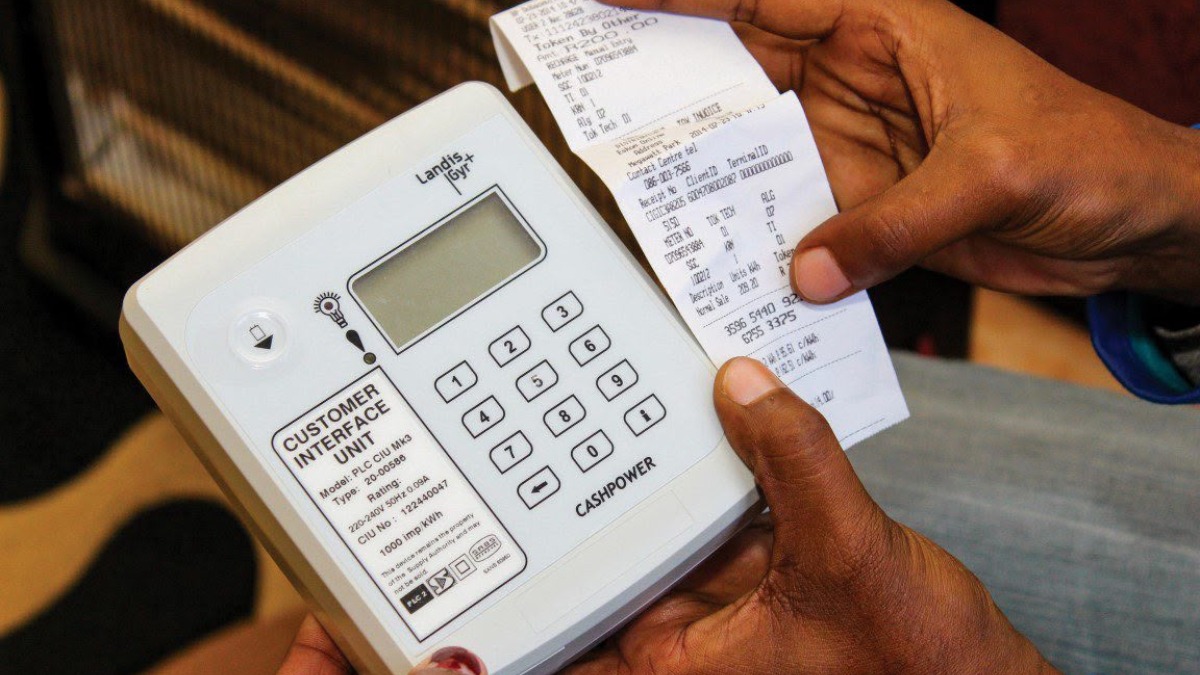
Supporters of NERC’s position argue that stronger oversight is necessary after years of underinvestment left many communities relying on self-funded transformer repairs and other electricity infrastructure projects. Critics, however, contend that prescribing how privately owned utilities allocate their revenues amounts to regulatory overreach and could discourage future investment.
Why the Outcome Matters
The dispute comes at a pivotal moment for Nigeria’s electricity sector reforms.
Nigeria’s 12 electricity distribution companies collected about ₦2.16 trillion from customers in 2025 and another ₦597.56 billion during the first quarter of 2026. Although the directive applies only to eligible surplus operating revenues rather than total collections, it could influence how hundreds of billions of naira are invested across the country’s electricity distribution network.
Beyond the immediate financial implications, the outcome could establish an important precedent for Nigeria’s evolving electricity market. It will help determine where federal regulatory authority ends, where state oversight begins, and how investors assess regulatory certainty in one of the country’s most critical infrastructure sectors.
With a multi-stakeholder committee now reviewing the dispute, the eventual resolution could shape not only the implementation of NERC’s latest directive but also the future governance of Nigeria’s decentralised electricity market.

Ogochukwu Onwaeze is a writer specializing in business and economic journalism. At THEWILL News Media, she translates market trends, financial developments, and policy shifts into clear and engaging stories.