
-
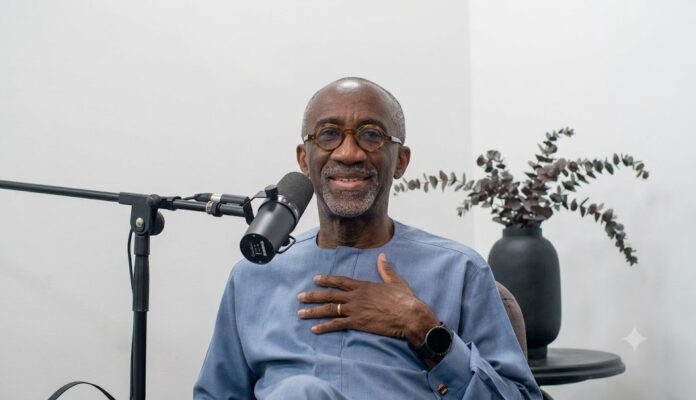
Hakeem Belo-Osagie says buying UBA was meant to be an investment, not a lifelong banking career.
-
He discovered the bank was effectively bankrupt weeks after the acquisition and spent years rebuilding it.
-
The turnaround came with mass restructuring, repeated investigations and intense political pressure.
-
After increasing the bank’s value more than sixteen-fold, he chose to sell and return to building other businesses.
August 01, (THEWILL) — Some entrepreneurs spend years searching for the perfect business.
Hakeem Belo-Osagie found one that nearly broke him.
When he led the acquisition of United Bank for Africa in 1994, the respected investor believed he had bought a bank worth rebuilding. Within weeks, he realised he had inherited something far more complicated.

“After the first week or two, I now realised that the bank was bankrupt”, Belo-Osagie recalled during a recent interview.
What looked like one of Nigeria’s biggest banking acquisitions quickly became one of its toughest corporate rescue missions.
“There was this massive structure which you thought was this incredible thing you’ve bought, and then you just realise that, I’m sorry to say it, but for years, they’d basically been playing games with their accounts.”
According to him, the problems ran deeper than poor financial performance.
The bank had suffered heavy losses through its New York operations, key accounts had not been properly consolidated and weak corporate governance had left the institution struggling long before the new owners arrived.
At the same time, Belo-Osagie said the new management had to fight a perception problem.
Young executives had taken over one of Nigeria’s oldest banks, and critics questioned whether they were capable of running it.
“We had a lot of enemies, and they were trying to represent us as these young, irresponsible, inexperienced characters who don’t know what they’re doing.”
He believes the reality was the exact opposite.
“The older, more experienced people who had been running the place had just run it into the ground.”
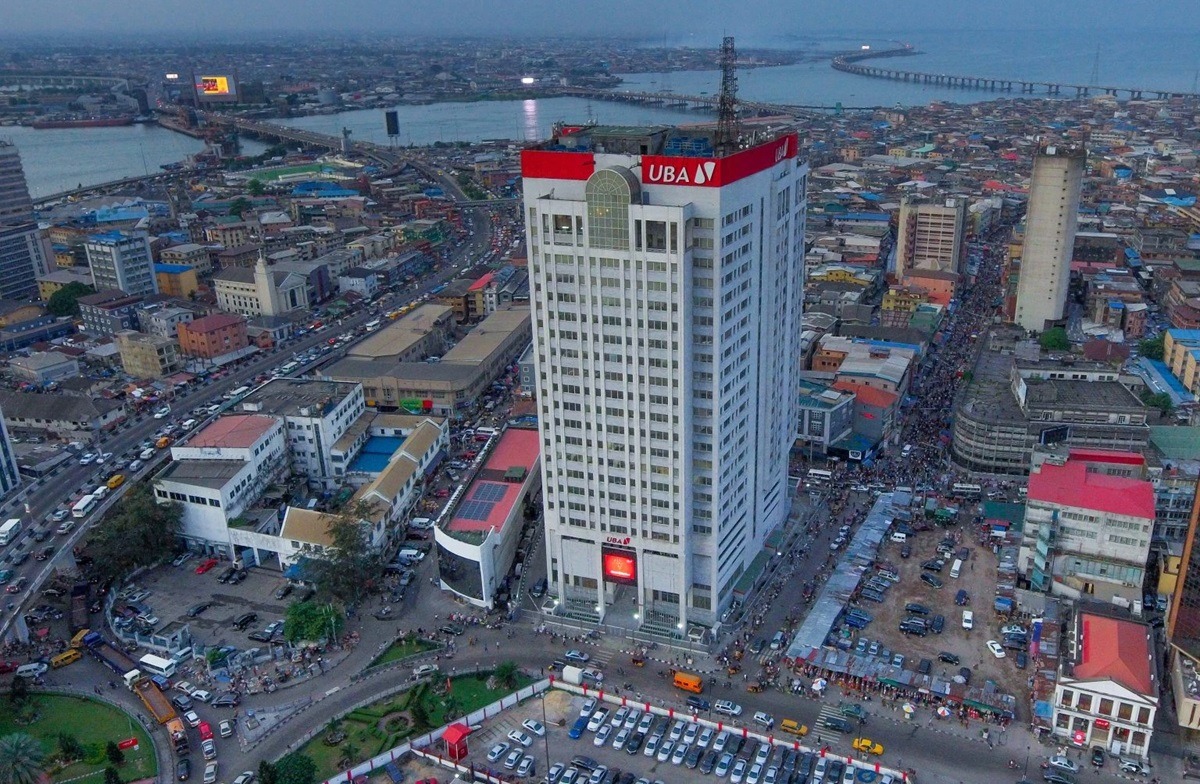
Building a Bank While Fighting Battles Outside It
Fixing the bank meant doing more than improving its balance sheet.
Belo-Osagie said the turnaround required painful decisions that transformed almost every part of the organisation.
“We had to sack half of all the staff because they were hopelessly corrupt staff. We had to remove three-quarters of all top management.”
The restructuring happened alongside what he described as years of relentless scrutiny from multiple government agencies.
“We were investigated by 10 or 15 organisations.”
Later in the interview, he listed some of them.
“We had to survive investigations by the Securities and Exchange Commission, Military Intelligence, State Security, Tax, Revenue, all parts of a continued attack.”
He said his previous experience in government proved invaluable during that period.
“It needed somebody who had worked in government before, like I had, to know, ‘This is how we respond. This is how we move.’”
Despite the pressure, Belo-Osagie believes the difficult decisions reshaped the bank’s future.
He recalled telling critics that Nigeria’s banking industry was heading for a major shift.
“The four big banks of Nigeria today have 70 to 80 percent of deposits. If they do not make radical change, a time will come when these small outfits like Zenith, Diamond and GTBank, which in those days were tiny places, will become the big guys, and the big banks will be struggling.”
His prediction reflected what would later become one of the defining periods in Nigerian banking. Institutions such as Zenith Bank and GTBank grew rapidly over the following decade, helped by stronger governance, aggressive expansion and the banking consolidation reforms introduced by the Central Bank of Nigeria in 2004 and 2005.
UBA also emerged stronger.
Belo-Osagie said the bank’s estimated value grew from between $10 million and $15 million when his group acquired it in 1994 to between $250 million and $300 million by the time they exited, despite significant depreciation of the naira during that period.
“So, all in all, I think we did a good job.”
For him, however, success created another decision. He never planned to remain in banking.
“I never intended to hold on to it. I’m not a banker.”
He explained that UBA was always intended to be an investment rather than a permanent career.
“I was merely an investor.”
By then, another factor had also begun to influence his thinking.
“I was frankly speaking a little bit tired of the constant attacks.”
Selling the bank, he said, became both a business decision and a personal one.
“You’re sitting on this nominal profit. It’s a huge gap between what I bought and the value. Why not? We crystallised the money made and went on to other things.”
Those “other things” included expanding FSDH Merchant Bank, the financial services group he founded and continued to build after leaving UBA.
More than two decades later, Belo-Osagie’s reflections offer a reminder that some of the biggest business successes begin with problems nobody wants.
In his case, buying a bank that turned out to be bankrupt became the foundation for one of the most remarkable corporate turnarounds in Nigeria’s banking history, and a timely reminder that knowing when to exit can be just as important as knowing when to invest.

