
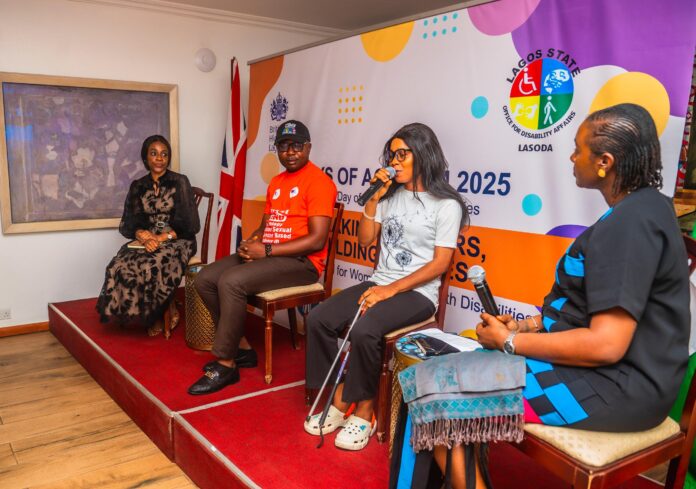
November 30, (THEWILL) — When 27-year-old Chiamaka rolled into the main hall of the British Deputy High Commission on Wednesday, she wasn’t looking for sympathy. She came with a message — one that echoed through the room long after the speeches ended: “We don’t want pity. We want a chance to live fully.”
Her voice captured the soul of a landmark event jointly hosted by the British Deputy High Commission in Lagos and the Lagos State Office for Disability Affairs (LASODA), as both institutions used the momentum of the global 16 Days of Activism Against Gender-Based Violence and the International Day of Persons with Disabilities to demand deeper inclusion for women and girls with disabilities.
Held under the theme “Breaking Barriers, Building Bridges”, the gathering went beyond policy talk. It became a mirror into the layered realities of disability in Nigeria — the fear of violence, the isolation, the discrimination, and the quiet strength that keeps many women pressing on despite the odds.

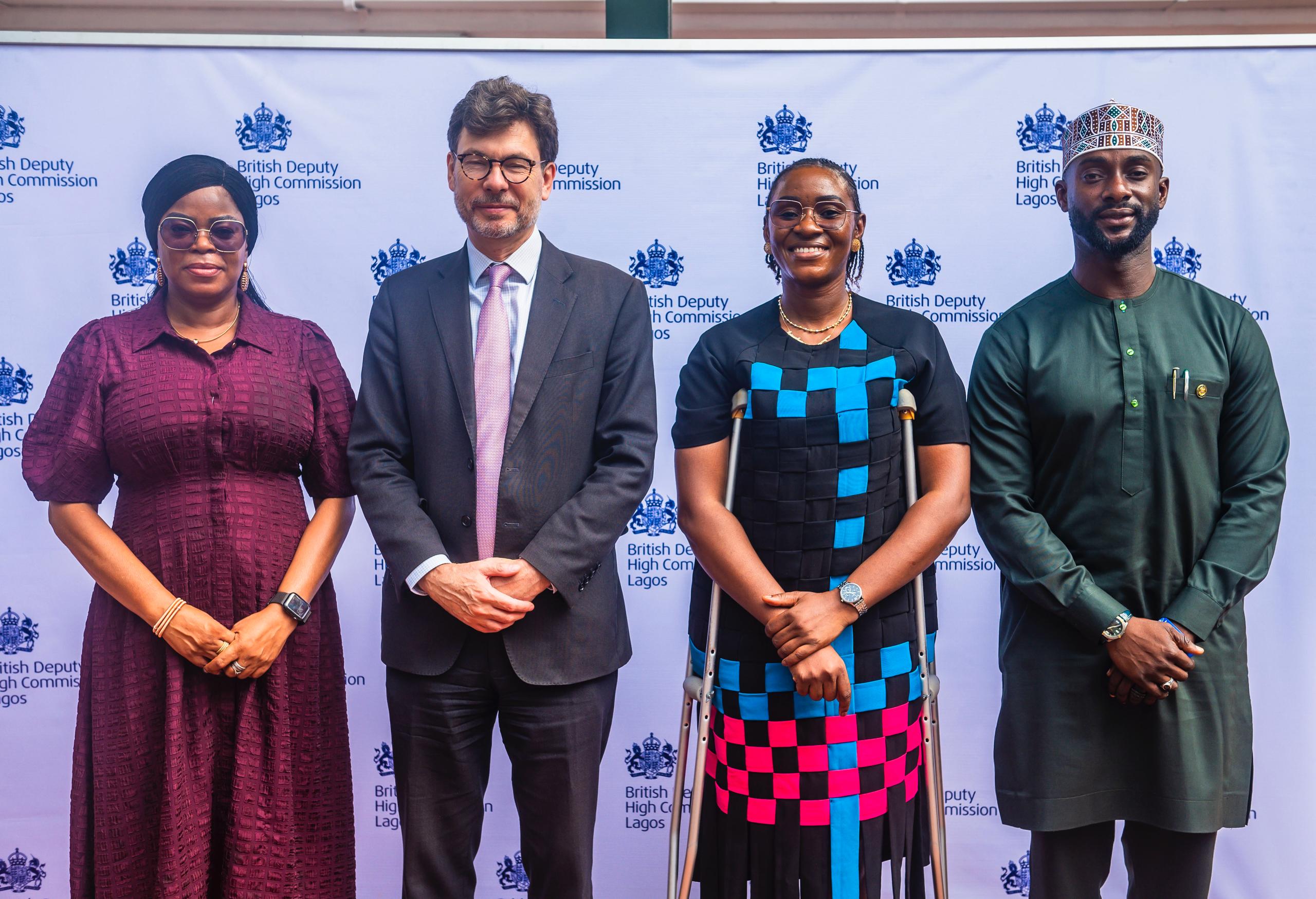
British Deputy High Commissioner, Mr Jonny Baxter, captured the urgency with measured clarity. For him, the event was less about diplomacy and more about responsibility.
“Women and girls with disabilities face heightened risks of violence and discrimination. Today’s event is not just dialogue; it is a call to action. Collaboration and courage are required to build a society where every person is empowered to lead”, he stated.
Those words resonated with many in the room — including mothers who testified about the hidden struggles of raising children with disabilities: the stares, the exclusion, and the constant fear that their daughters are more vulnerable to abuse simply because of their conditions.
The General Manager of LASODA, Mrs Adenike Oyetunde-Lawal, added a deeply personal layer to the conversation. As a woman with a disability herself, her authority comes from lived experience as much as from her office.
“The rights of women and girls with disabilities are non-negotiable. This partnership strengthens our work to build a Lagos that does not just accommodate disability but embraces inclusion as a core value”, she said.
For her, the collaboration with the UK government signals a shift — from advocacy to shared action, from policy drafting to implementation that touches real lives.
The Lagos State Commissioner for Youth and Social Development, Mr Mobolaji Ogunende, reinforced the government’s position, noting that inclusion is central to the administration’s youth and social development strategy.
“No one should be left behind. Our goal is to dismantle the barriers that still limit the potential of women and girls with disabilities”, he added.
Beyond the speeches, the human stories dominated the day. A young deaf woman shared how she lost a job opportunity because an employer assumed communication would be “too difficult”. Another participant recounted surviving gender-based violence and the added burden of navigating justice systems that are not accessible.
The panel discussions that followed were practical, passionate, and at times emotional, as disability advocates, diplomats, civil society leaders, and government officials explored how to translate policy commitments into everyday realities — from accessible public transportation to sign language interpretation in hospitals to stronger legal frameworks that protect women with disabilities from violence.
For many attendees, the most powerful moments came from the testimonies — raw, honest accounts of resilience in the face of structural and social barriers. They served as a reminder that while Lagos talks about inclusion, many women with disabilities still fight daily battles to be seen, heard, and safe.
As the programme wound down, the hall hummed with a shared sense of purpose. Alliances were forged. Commitments were renewed. More importantly, women like Chiamaka left knowing their voices were not only heard but amplified.
The partnership between the UK government and Lagos State may not solve every problem overnight. But on a day that brought advocates, policymakers, and survivors into one room, it charted a clearer path — one where disability rights and gender equality are not treated as separate struggles, but as intertwined human rights issues demanding urgent and sustained action.
For many of the women present, that alone was a step forward toward the inclusive society they have long envisioned.
Janefrances Ebere Chibuzor is a Tourism Writer at THEWILL
